
General News
Araraume’s victory at APC senatorial primary election: A resurgence of political structure in Imo North- Media Office

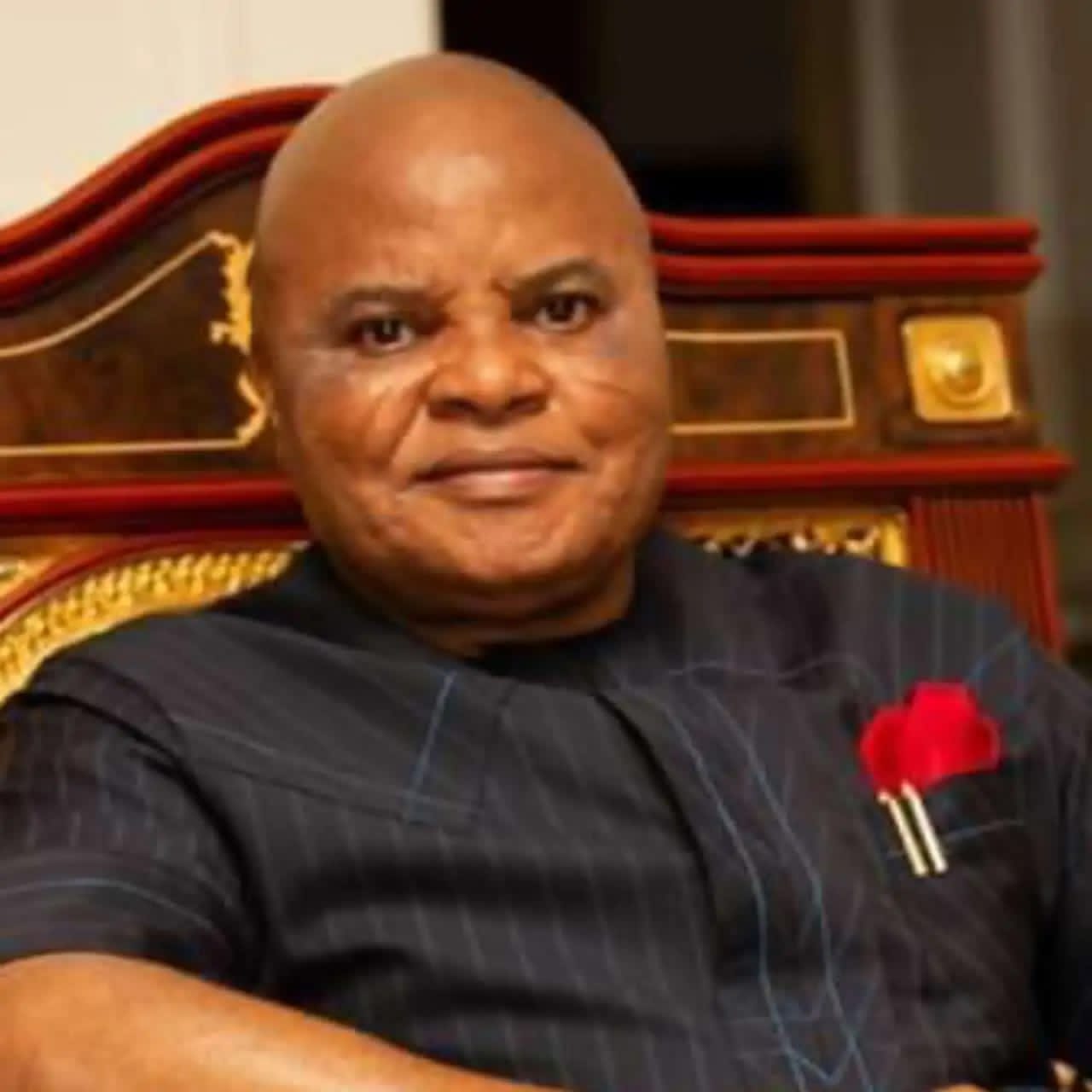
[ANALYSIS] Senator Ifeanyi G. Araraume’s sweeping victory in the APC senatorial primary for Imo North is more than an internal party outcome, it is a reaffirmation of political continuity, grassroots loyalty, and the durability of long-standing political structures in the region.
In a political climate often defined by shifting alliances and unpredictable loyalties, Araraume’s performance across all 54 wards stands out as a reminder that some political foundations remain firmly rooted.
For decades, Araraume has maintained a visible presence in Imo North, cultivating relationships that extend beyond election cycles. His ability to secure overwhelming support across every ward reflects not just popularity but a political network that has remained intact despite the turbulence of national and state politics. In many ways, his victory underscores a simple truth, political capital built over time still matters.

Recent rumours suggesting that Araraume stepped down from the race have circulated widely, but available facts do not support these claims. He neither attended nor was invited to any meeting where aspirants purportedly withdrew. Such narratives appear to be the handiwork of political detractors attempting to sow confusion in the aftermath of a decisive contest. In the context of Imo North’s political landscape, these rumours say more about the anxieties of opponents than about Araraume’s intentions.
If anything, the logic of political hierarchy would dictate the reverse, that others would step down for him, not the other way round. With his legislative experience, institutional memory, and long standing influence, Araraume remains one of the most seasoned political figures in the zone. His victory, therefore, is seen not as an upset but as a restoration of political order.
Beyond the local implications, Araraume’s return to the national stage carries broader significance. His legislative experience positions him as a potential stabilising force and a valuable ally in the National Assembly. His presence would complement President Bola Ahmed Tinubu’s Renewed Hope agenda and the leadership of the National Assembly by adding depth, experience, and strategic insight to legislative deliberations. The political calculus is clear: experience still commands respect.
For the people of Imo North, the outcome represents a choice rooted in familiarity and expectation. Araraume’s long engagement with the constituency has created a sense of predictability, supporters are optimistic that he will leverage his networks, influence, and understanding of federal processes to attract development projects and strengthen representation in a region where infrastructural needs and economic aspirations remain pressing.
Ultimately, Araraume’s victory is a reminder that political relevance is not easily erased. It is earned, maintained, and reaffirmed through consistent engagement with the people. Whether one views him as a stabilising force or a dominant political figure, his re‑emergence signals a renewed chapter in Imo North’s political trajectory, one shaped by experience, structure, and the enduring power of grassroots politics.