
Arts and Life
Book review: “The Stories the Dead Still Tell”: Leticia Ponasso Explores Memory and Meaning in El lenguaje del silencio

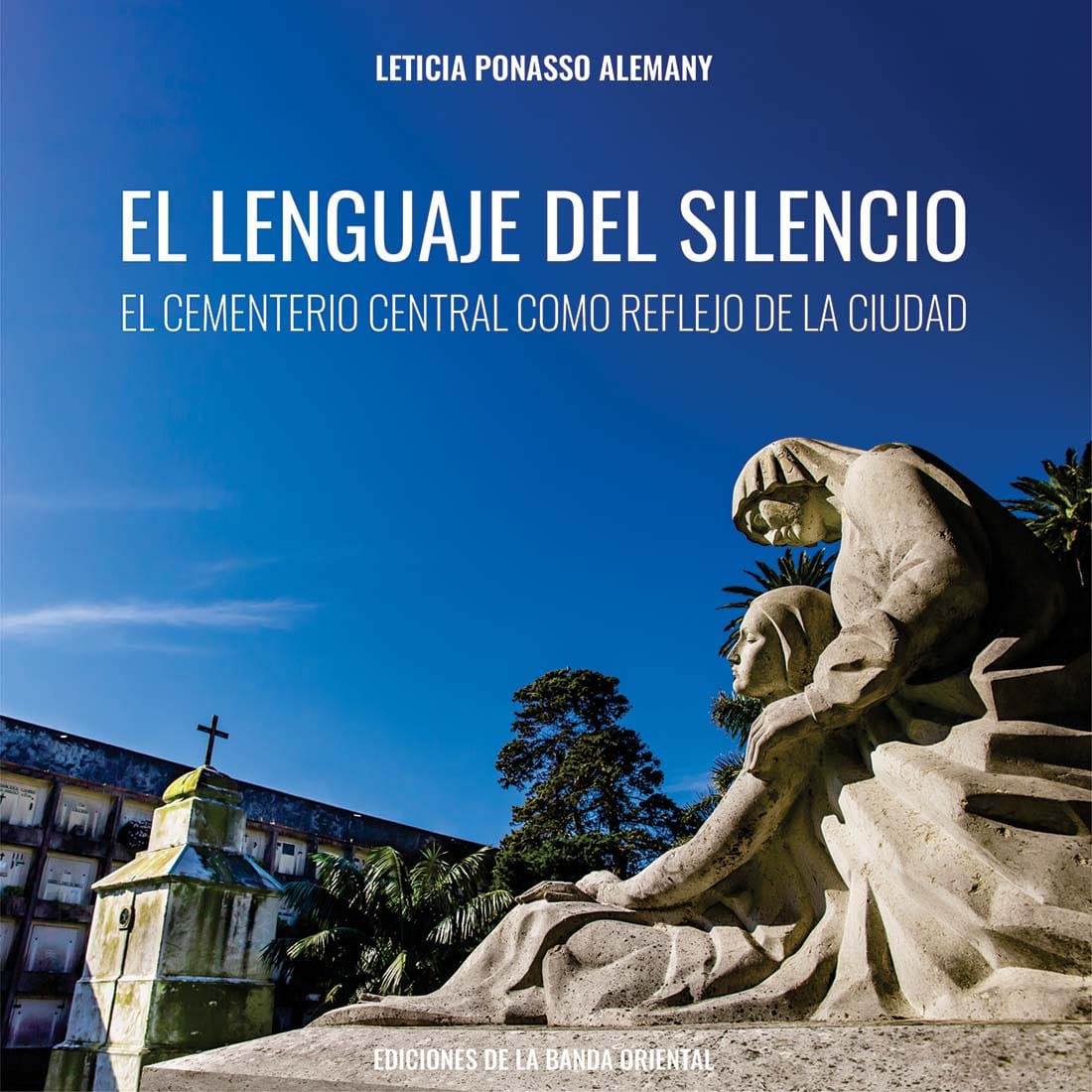
By Iyojo Ameh
In a quiet corner of Montevideo stands the Cementerio Central, its ornate mausoleums and timeworn tombstones often passed by without notice. But to historian and writer Leticia Ponasso Alemany, this cemetery is not merely a resting place for the dead — it’s a rich cultural archive, a canvas of stone and silence that speaks volumes about Uruguay’s past.
Her latest book, El lenguaje del silencio (The Language of Silence), published by Ediciones de la Banda Oriental, invites readers into this solemn space to explore how history whispers through architecture, sculpture, and absence.
Ponasso, a passionate scholar of urban memory, transforms what many view as a static site into a living museum of national identity. In her book, she traces the evolution of the Cementerio Central as a symbol of societal values, political ideologies, and spiritual beliefs.
The cemetery’s imposing monuments, neo-Gothic mausoleums, and statues of weeping angels are more than aesthetic flourishes; they are reflections of how Uruguayans have, for generations, grappled with grief, power, and legacy.
“Silence is not the absence of meaning,” Ponasso writes. “It’s the presence of something we are yet to understand.” This theme the uncovering of meaning in stillness is the heartbeat of the book. Through meticulous research and evocative prose, she uncovers the hidden stories behind the graves: the lives of political leaders, artists, workers, and everyday citizens whose final resting places offer clues to the eras they lived in.

Beyond the historical dimension, El lenguaje del silencio also raises philosophical questions. What do we choose to remember? What symbols do we immortalize in marble? And how does a society negotiate its memory through public deathscapes? Ponasso’s answers are never didactic but always reflective, urging readers to consider their own relationship with memory and place.
The book has already stirred interest not only among historians but also artists, architects, and readers curious about how the built environment encodes cultural values. Its publication comes at a time when Latin American cities are increasingly re-examining the politics of public memory and heritage preservation.
In conversation, Leticia Ponasso is warm, sharp, and unapologetically curious. “I walk through the cemetery often,” she says. “Not out of morbidity, but because it’s a place where the past remains stubbornly present. It teaches me that we are not as far from history as we like to think.”
Indeed, El lenguaje del silencio reminds us that silence can be eloquent if we know how to listen. With this work, Ponasso has opened the gates to Montevideo’s most silent site and allowed the voices of its past to echo once again.
Where to Get the Book:
El lenguaje del silencio is available at bandaoriental.com.uy and major bookstores in Uruguay for 590 pesos.