Health
Embed Menstrual Health, Waste Management in National Policy, Stakeholders Task FG

By Iyojo Ameh
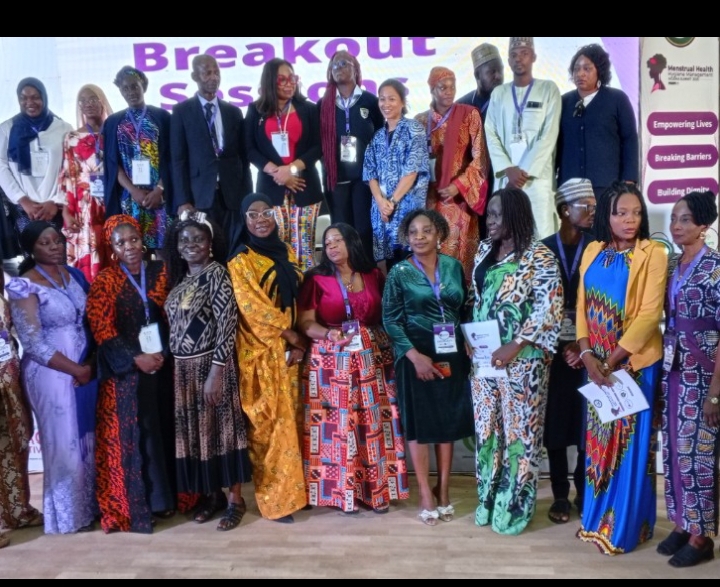
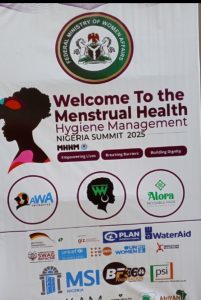
Stakeholders at the 2025 Menstrual Health and Hygiene Management (MHHM) Summit have called on the Federal Government to embed menstrual health and waste management into Nigeria’s national policy frameworks, with dedicated budgetary provisions and clear implementation strategies.
The landmark event, held in Abuja, was co-hosted by Wonder Woman Nigeria, Alora Reusable Pads, the Federal Ministry of Women Affairs, and other development partners. It brought together voices from government, civil society, the private sector, and international agencies to address menstrual health as a matter of national importance.
The Federal Ministry of Women Affairs stated that although significant strides are being made in supporting women and girls, the fight against menstrual poverty remains constrained by insufficient funding.
Responding to this, the Federal Ministry of Budget and National Planning disclosed that steps are underway to establish a dedicated gender desk that will cater specifically to the needs of women and girls, including issues surrounding menstrual health.
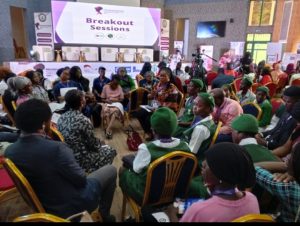
Students during the breakout session
Also speaking at the summit, the National Commission for Persons with Disabilities appealed to the federal government to ensure inclusive sanitary facilities in schools, parks, IDP camps, and other public spaces, especially for persons with disabilities.
Stakeholders agreed that menstrual health is not merely a hygiene issue but a fundamental component of human rights, gender equality, education, and national development.
According to data presented at the summit, more than 37 million women and girls in Nigeria lack access to safe and hygienic menstrual products. This public health concern is made worse by the absence of menstrual waste management policies in national health and environmental frameworks.
Improper disposal methods such as burning, flushing, or open dumping of menstrual materials not only endanger public health and the environment but also undermine the dignity of menstruators. Without institutional guidance or infrastructure, many are left to manage menstruation under fear, stigma, and social exclusion.
Participants at the summit emphasized that menstrual waste must be integrated into Nigeria’s Water, Sanitation and Hygiene (WASH) and Sexual and Reproductive Health and Rights (SRHR) policies to create a more inclusive and sustainable system.
The summit also spotlighted major barriers facing menstrual health in Nigeria to include: Stigma and Taboos: Cultural beliefs and myths continue to hinder progress, Product Inaccessibility: Cost and distribution issues limit access to menstrual products, especially in rural areas. Poor Education: Many girls remain unprepared due to lack of menstrual education, leading to absenteeism and harmful practices and health Risks: Use of unhygienic materials and lack of clean facilities increase risk of infection.
Others are: Mental Health: Shame and isolation often affect self-esteem and mental well-being. Disruption to Education: Period-related absenteeism contributes to school dropouts and Policy Oversight: Menstrual health is inadequately represented in existing national policies.
To address the gaps in policy and infrastructure, the summit proposed the following:
Policy Integration: Menstrual waste management should be part of all WASH and SRHR frameworks, Infrastructure Development: Install affordable incinerators and sanitary bins in public spaces, schools, and health centers, capacity Building: Train healthcare workers, educators, and community leaders to provide accurate information and support and Community Outreach: Launch awareness campaigns, particularly in rural areas, to challenge taboos and build community resilience.
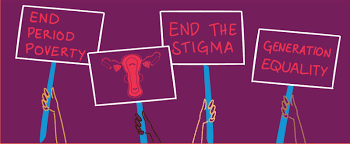
In a resounding message, stakeholders concluded that menstruation should no longer be treated as a taboo or afterthought but as a core national development issue.
“Menstruation is not a taboo. It is a natural process. No girl should miss school, suffer in silence, or be discriminated against because of her period,” the summit communique stated.
They called on the Federal Government to mainstream menstrual health into Nigeria’s national development agenda and create a future where all girls and women can menstruate with dignity, safety, and pride.