
News
Fresh Tension in PDP as INEC Endorses Mohammed, Shifts Party Power Balance

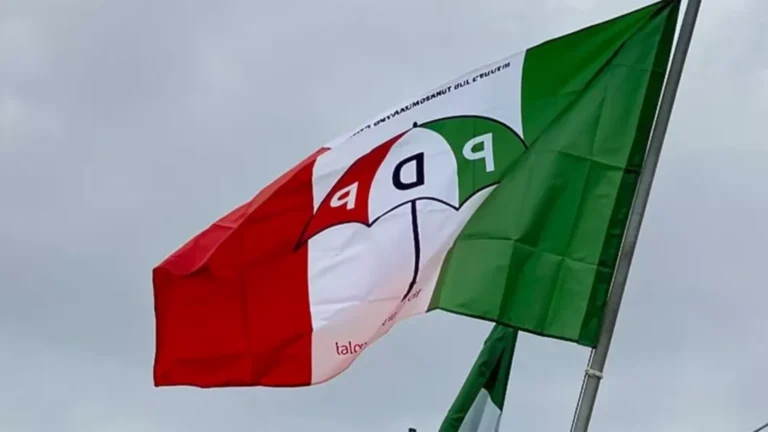
Nigeria’s opposition landscape witnessed another dramatic development on Monday as the Independent National Electoral Commission (INEC) officially recognised Abdulrahman Mohammed as the National Chairman of the Peoples Democratic Party (PDP), a decision poised to significantly alter the party’s internal power structure ahead of the 2027 elections.
INEC’s updated portal now lists Mohammed as chairman, alongside a National Working Committee (NWC) largely aligned with the camp of the Minister of the Federal Capital Territory, Nyesom Wike. Also recognised is Samuel Anyanwu as National Secretary, along with other key officials—effectively granting institutional legitimacy to one faction within the deeply divided party.
Though administrative in appearance, the move carries far-reaching political implications.
For months, the PDP has been embroiled in a fierce leadership contest, with a rival faction led by Kabiru Tanimu Turaki also claiming the chairmanship. INEC’s decision now officially tilts the balance in favour of the Wike-backed camp, casting uncertainty over ongoing reconciliation efforts.
Party insiders reveal that the development has sparked fresh concerns among stakeholders, who fear that endorsing one faction may entrench divisions rather than resolve the crisis.
Just days earlier, Turaki had adopted a conciliatory stance, disclosing that quiet negotiations were underway between both camps to settle the dispute. He appealed to party members to lower tensions, warning that inflammatory remarks could derail fragile peace efforts already in progress.
These reconciliation moves followed guidance from the Court of Appeal in Ibadan, which advised aggrieved parties to prioritise political solutions instead of prolonging legal battles that could further destabilise the PDP.
In response, the party’s Board of Trustees, led by Adolphus Wabara, set up a high-level committee to engage stakeholders and chart a path toward unity. Additionally, key organs such as the National Executive Committee (NEC) and National Caucus suspended major meetings to create room for dialogue.
However, Monday’s development has complicated those efforts.
While Turaki’s camp maintains that negotiations are still progressing behind the scenes, supporters of the recognised leadership argue that INEC’s decision offers clarity and direction for the party.
At its core, the crisis reflects a broader struggle—not merely over leadership positions, but over control of the PDP’s structure, narrative, and electoral machinery ahead of the next general elections.
Despite the uncertainty, party leaders continue to express optimism. Turaki reiterated that the PDP would present candidates for all elective offices and voiced confidence that the dispute would ultimately be resolved in accordance with the party’s constitution.
He also passed a vote of confidence on key PDP governors, including Bala Mohammed and Seyi Makinde, praising their steadiness during the turbulent period.
Political analysts note that the coming weeks will be decisive. If carefully managed, INEC’s recognition could serve as a turning point toward resolution. If mishandled, it risks deepening divisions and weakening the PDP’s position as Nigeria’s leading opposition party.
For now, the struggle for control within the PDP continues—and the stakes have only grown higher.