General News
GSAI Pushes for 5% Mandatory Media Quota for Women, Visits NUJ FCT

By Iyojo Ameh
Gender Strategy and Advancement International (GSAI) has called for a mandatory 5% quota of news coverage in Nigerian media to be dedicated to women and girls across politics, governance, economy, security, health, climate change, and development sectors.
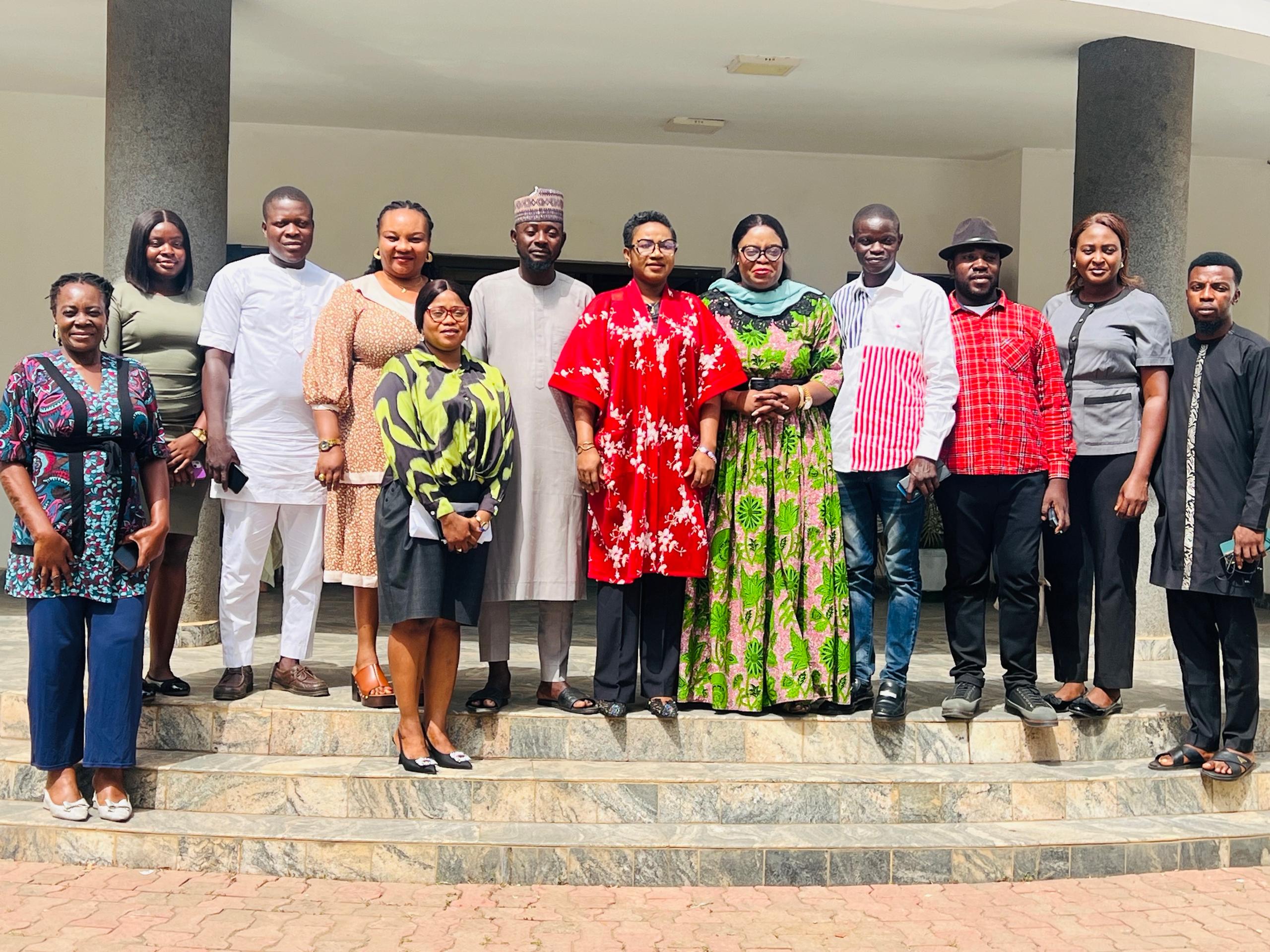
The demand was made on Wednesday in Abuja during a courtesy visit to the Nigeria Union of Journalists (NUJ) FCT Council Secretariat, where the organisation presented research-backed findings highlighting the persistent under-representation of women in the media.
Leading the delegation, Executive Director of GSAI and host of Gender Agenda on AIT, Adaora Onyechere Sydney-Jack, said the proposed quota is intended to correct “decades of systemic exclusion of women in the media space.”
“Women’s voices are still treated as an alternative rather than part of the national agenda,” she said. “If women are not visible before the primaries, they are already excluded from the political process.”
Citing data from the UN Global Media Monitoring Project, Ms. Onyechere noted that only 25% of news subjects globally are women, with Nigeria ranking even lower. She added that young women, rural women, and women with disabilities remain “almost invisible” in mainstream media.
According to her, more than 45 women contested elective positions in 2023, but many lost at the primary level due to limited media visibility. “Women are not losing because they lack capacity; they are losing because they lack visibility,” she stressed.
GSAI is proposing that the 5% quota apply across critical coverage areas including politics and elections, economy, business and finance, governance and public policy, security and peacebuilding, as well as science, technology, and innovation.
Adaora said the initiative should be backed by policy, and urged lawmakers to introduce it as a private member bill ahead of the 2027 general elections.
Members of the GSAI delegation included the Communication Lead, Khadijat Alkali Godwin; Head of Administration, Victor Chima; Contact Director, Ayoola Oluboron; and WIMDI representative, Anele Lilian.
NUJ FCT Pledges Support
Responding, NUJ FCT Council Chairman, Ms. Grace Ike, commended GSAI for championing what she described as a timely and strategic intervention. She assured that the union would support the campaign and engage media organisations to advocate for the quota.
She reaffirmed NUJ’s commitment to promoting equitable and inclusive journalism, noting that balanced representation is a core responsibility of the profession.
“The media must be a space where every voice, not only heard voices, is amplified and represented fairly. We welcome partnerships that promote inclusivity, capacity building, and editorial accountability,” she said.
The NUJ chairman further affirmed the council’s willingness to collaborate on training, research, and policy advocacy aimed at strengthening newsroom practices and improving representation of women and other marginalized groups.
She described the meeting as “a reaffirmation of a shared responsibility to build a media landscape where everyone is seen, heard, and respected.”
Other NUJ officials present included the Vice Chairman, Yahaya Ndabambo; Secretary, Comrade Jide Oyekunle; Auditor, Rose Ikoko-Tega; and Ex-Officio member, Ebriku John.
‘Fairness and Conscious Bias Training Needed in Newsrooms’
Speaking at the meeting, another GSAI representative emphasized the need for fairness, inclusivity, and conscious bias training for journalists. She stressed that adopting the 5% quota would strengthen editorial policies and create space for more representative storytelling.
“That means training ourselves and our colleagues on conscious biases, amplifying unheard voices, and advocating editorial policies that prioritize representation and equity. Let this meeting be a reaffirmation of our shared commitment to telling stories in their fullness and truth,” she said.
She expressed appreciation to the NUJ leadership and called for sustained partnership to advance inclusive media practices.
In a follow-up comment, a senior NUJ official hinted that the council may issue a national statement during the 16 Days of Activism, urging editors and media executives to adopt the quota.
“The message is clear. Women need more than five percent. NUJ FCT will consider taking leadership on this,” the official noted.
The GSAI delegation praised the NUJ FCT Council for its historic leadership, noting that having its first female chairperson in 41 years positions the council to champion national advocacy on gender representation.
Next Steps
GSAI said it will continue consultations with media managers, civil society organisations, and lawmakers to push forward the policy framework for the proposed quota.
“Without women in media leadership, women’s stories will continue to be sidelined,” another representative, Ms. Forrester, said. “A functional democracy must reflect the voices of all its citizens — not just half of them.”