
General News
HPCAN Pushes for Stronger, Compassionate Palliative Care in Nigeria

By Our Reporter
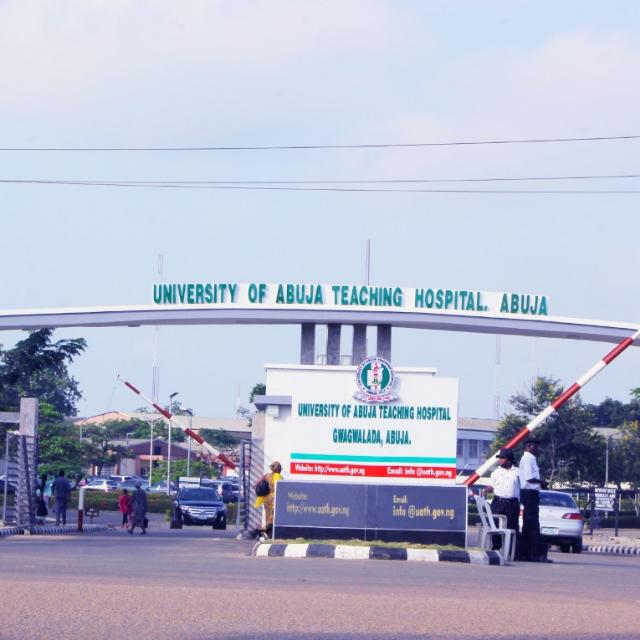
The Hospice and Palliative Care Association of Nigeria (HPCAN) has held its 18th Scientific Conference and Annual General Meeting (AGM) at the University of Abuja Teaching Hospital (UATH), Gwagwalada, Abuja, reaffirming its commitment to strengthening palliative care services through the provision of compassionate and patient-centred care across Nigeria.
The conference is themed, “Strengthening Palliative Care in Nigeria: The Total Psychosocial Well-being of the Patient.”
It also features sub-themes including “The Role of Government and Policymakers in Palliative Care” and “Community Involvement in Palliative Care,” highlighting the shared responsibility required to improve the quality of life of people living with serious and life-limiting illnesses.
The three-day conference, held from July 1 to 3, 2026, attracted participants from various health institutions, professional bodies, and organisations within and outside Nigeria.
Speaking at the opening ceremony, HPCAN President, Prof. Tonia Onyeka, said the conference provides an important platform for engaging with distinguished national and international experts, sharing emerging evidence, learning from successful models, strengthening collaborations, and developing practical strategies for advancing palliative care across Nigeria.
She urged governments at the federal, state, and local levels to recognise palliative care not as an optional service but as an essential component of a responsive, equitable, and people-centred healthcare system.
According to her, every Nigerian living with a serious illness deserves compassionate care that preserves dignity and relieves suffering, regardless of geographical location or socioeconomic status.
Prof. Onyeka stressed that the conference theme challenges healthcare providers to look beyond diseases, diagnoses, medications, and procedures, and instead focus on the total well-being of individuals living with serious illnesses.
She noted that patients with life-limiting conditions often experience anxiety, depression, fear, uncertainty, social isolation, financial hardship, family disruption, spiritual distress, and the emotional burden associated with an uncertain future.
She said the conference calls on stakeholders to reaffirm one of the core principles of palliative care—that every individual deserves care that addresses not only the body but also the mind, family, community, and spirit.
Prof. Onyeka encouraged participants to actively contribute to discussions, challenge conventional thinking, build new partnerships, and leave the conference inspired to translate knowledge into meaningful action within their institutions and communities.
In her remarks, Chairman of the HPCAN Abuja Chapter and Local Organising Committee (LOC), Prof. Felicia Asudo, described the conference as timely and significant, coming at a critical stage in the advancement of palliative care in Nigeria.
She observed that there is increasing recognition that quality healthcare cannot be complete without compassionate, holistic, and patient-centred services that uphold human dignity.
Prof. Asudo stated that palliative care continues to bridge the gap between medical treatment and humane care by ensuring that patients do not suffer unnecessarily and that every individual receives support rooted in empathy, respect, and excellence.
She described the conference as more than a gathering of professionals, noting that it brings together advocates, educators, policymakers, researchers, volunteers, and caregivers united by a common purpose of relieving suffering and restoring hope.
She added that participants would engage in scientific sessions, practical workshops, panel discussions, and networking opportunities aimed at strengthening clinical practice, education, research, advocacy, and policy development in hospice and palliative care.
Prof. Asudo reminded participants that behind every statistic is a patient, behind every diagnosis is a family, and behind every challenge lies an opportunity for collaboration and innovation.
According to her, the conversations and resolutions from the conference will continue to influence clinical practice, education, research, advocacy, and policy long after the event concludes.
The annual gathering reaffirmed HPCAN’s commitment to promoting accessible, comprehensive, and compassionate palliative care services across Nigeria.
It also provided a strategic platform for strengthening collaborations and partnerships aimed at improving the psychosocial well-being and overall quality of life of patients and their families.
The conference further underscored the importance of multidisciplinary approaches to palliative care by bringing together healthcare professionals, policymakers, researchers, and advocates to exchange knowledge and share best practices.
A major highlight of the event was the presentation of several books and scholarly publications on the development and practice of palliative care.
The publications, authored by distinguished healthcare professionals from institutions across the country, focused on innovative strategies for strengthening palliative care delivery, improving psychosocial support services, and advancing patient-centred care in Nigeria.