Opinion
It’s Time to Rewrite the Aid Playbook and Let Local Leaders Lead

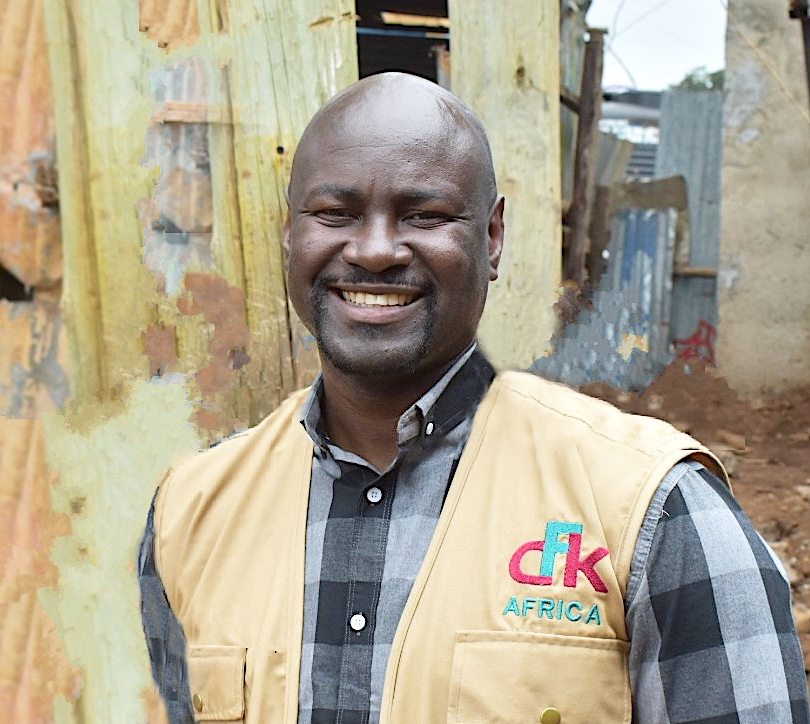
By Jeffrey Okoro
For decades, the global aid system has operated from a familiar script. We use terms like capacity building, enabling, and strengthening. They sound impressive in grant applications and reports, but on the ground where real lives are lived, they are just words.
Words aren’t enough in moments of crisis, like the current devastating floods in Kenya, which have killed more than 80 people. In these pivotal moments, it is the local players, not external ones, who step up first, stay the longest, and carry the heaviest load.
Behind the old script is an outdated assumption that non-governmental organizations (NGOs) and international aid actors are here to “save” people.
And once you are in the business of saving, a pattern emerges. External agencies swoop in and start telling communities what to do, how to do it, and when. They control the narrative, the resources, and the decision-making.
But I know that real solutions come from within communities, not from outside them.
In my community of Kibera, east Africa’s largest slum, I see champions daily stepping up to lead. Local emergency response teams step up to rescue people from floodwaters. Teachers, without resources, create handmade, engaging educational materials for students. Community health promoters walk dozens of kilometers daily to identify pregnant women in need.
The current NGO playbook has a template for nearly everything – how to spend money, how to build capacity, how to measure success. But to make aid more effective, we need to ensure these local leaders play more than just a supporting role in their own stories.
They need to be the main characters.
Instead of designing new frameworks, the global aid industry can invest in the change communities are already leading; solutions that are proven, trusted, and culturally grounded. This means identifying the emergency response providers, local teachers, and community health promoters – and letting them lead. They understand the context, have earned trust, and will still be there long after the project cycle ends.
Funders and donors should give NGOs and community organizations the flexibility to operate outside of the playbook. Most NGOs want to innovate, but restrictive funding awards leave little room for local creativity. Flexibility would allow organizations to adapt to local realities, support community‑driven ideas, and reduce extraneous spending on workshops and incentives that don’t build long‑term capacity.
The success of development work should be measured by real impact, not by participation numbers. When people attend training in hotels far removed from the communities we serve, only for per diems or certificates, the work becomes transactional. But true community leaders don’t need to be paid to care. They need investment in their ideas, their initiatives, and their leadership.
I’ve witnessed this. Years ago, while mobilizing youth for a locally led recycling project, Taka ni Pato (“trash is cash”), young people were highly motivated to collect and sort local waste for recycling and resale.
Other groups began to replicate this successful model with aid funding, but the moment free t‑shirts and a 500 shillings (about $4) payment were introduced as incentives to participate, the work changed. It became transactional. The spirit of community‑driven change disappeared.
When incentives are the norm, a culture of dependency emerges, and we forget why we wanted to make a change in the first place. But we can shift from dependency to agency. When communities are supported to lead, ownership grows.
This is clear when I speak with youth, who repeat their ambitions: We want to make our community safer. We want girls to be protected. We want opportunities. We don’t need to be paid to care.
The future of development depends on our ability to rewrite the playbook. We can change the manual to one that honors local agency, dismantles harmful power dynamics, and invests in the people who have always been at the center of change.
Jeffrey Okoro is the chief executive officer of CFK Africa, an international nonprofit that empowers youth in slums in Africa through integrated health and leadership initiatives.