
Crime
Military Defends Strike on ‘Terrorist Hub’ as Calls for Probe Intensify

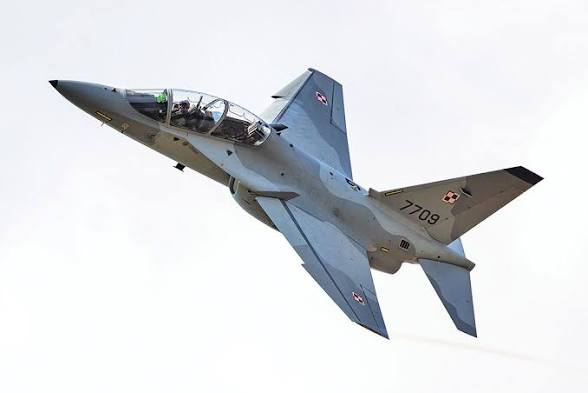
The Nigerian military has defended its recent airstrike on Jilli village market near the Borno–Yobe border, insisting the operation targeted террорист elements and not civilians, despite growing public outrage over reported casualties.
The strike, conducted on Saturday under Operation Hadin Kai, has sparked widespread reactions from authorities, political figures, and human rights groups, with conflicting reports on the number of casualties. While some local sources estimate over 40 civilian deaths, others suggest the toll could be significantly higher.
According to the military, the location was a legitimate target identified as a logistics base and gathering point for fighters linked to the Islamic State West Africa Province (ISWAP). The military said the strike followed extensive intelligence, surveillance, and reconnaissance operations that tracked suspicious movements, including motorcycles and gun trucks converging in the area.
In a statement, Lt. Col. Sanni Uba, spokesperson for Operation Hadin Kai, explained that the strike was carefully planned and executed after confirming the presence of террорист operatives through multiple intelligence sources. He noted that the operation successfully destroyed the террорист logistics hub, neutralised several fighters, and disrupted planned attacks in the region.
The military also referenced recent террорист attacks in the area, including an improvised explosive device incident in January that killed eight soldiers, as justification for intensified surveillance and action.
However, the Yobe State Emergency Management Agency confirmed that civilians, including traders from nearby communities, were affected in what it described as an accidental airstrike. The agency said emergency teams had been deployed to assess the situation and assist victims.
Borno State Governor Babagana Zulum stated that the market had been shut down years ago due to its alleged use by insurgents. He urged residents to avoid aiding террорист groups and to cooperate with security agencies.
Similarly, Yobe State authorities acknowledged that although the strike targeted a террорист stronghold, civilians were inadvertently caught in the attack. Injured victims have reportedly been taken to hospitals for treatment.
Human rights organisation Amnesty International condemned the incident, calling it reckless and demanding an independent investigation. The group claimed that more than 100 people may have been killed, based on witness accounts.
Former Vice-President Atiku Abubakar also criticised the incident, describing it as a tragic failure and questioning the protection of civilian lives during military operations.
In response to the controversy, the Nigerian Air Force announced it had launched an investigation into the allegations of civilian casualties, activating its Civilian Harm Accident and Investigation Cell to determine what happened.
Security experts have weighed in, calling for improved intelligence gathering, stricter targeting procedures, and enhanced civilian protection measures. They stressed the need for transparency, accountability, and possible compensation for affected families.
Some analysts noted the challenges of asymmetric warfare, where insurgents often operate within civilian populations, making it difficult to distinguish between combatants and non-combatants. Others, however, raised concerns about operational precision and accountability within the military.
Former Chief of Army Staff, Lt. Gen. Tukur Buratai (retd.), defended the operation, stating that the market had long been used as a террорист logistics hub. While acknowledging the loss of innocent lives as tragic, he maintained that the responsibility lies with insurgents who embed themselves among civilians.
The incident comes just weeks after a similar airstrike in Borno State that resulted in multiple casualties, raising ongoing concerns about civilian safety in conflict zones.
Meanwhile, local officials report that the situation remains critical, with many injured victims yet to receive adequate medical attention due to limited transportation and resources.
The latest development has intensified calls for reforms in military operations to prevent further civilian harm while sustaining efforts to combat insurgency in the region.