
General News
Nigeria relied on Soviet support and a Lebanese arms dealer during the Civil War after Western nations refused to supply weapons..Yakubu Goeon

By our Correspondent
Former Head of State, General Yakubu Gowon, has disclosed that Nigeria turned to the Soviet Union and a Lebanese arms dealer for military supplies during the Biafra War after the United States and the United Kingdom allegedly refused to provide weapons.
Gowon explained that his administration faced a severe shortage of arms at a crucial stage of the three-year civil war due to embargoes imposed by the US and UK, a situation he described as dangerous for the government at the time.
The former military ruler made the disclosure in his autobiography titled My Life of Duty and Allegiance, which was launched in Abuja and published by the Havilah Group.
According to him, by late 1968, Nigeria’s stockpile of weapons had dropped to critically low levels, forcing the government to suspend some military operations after capturing key territories because further advances could not continue without adequate supplies.
Gowon stated that although the United States and the United Kingdom were occupied with other global conflicts, their position created diplomatic difficulties and frustrated his administration, compelling Nigeria to seek assistance elsewhere.
He said he later approved contacts with the Soviet Union, which eventually supplied military aircraft and other equipment that helped federal troops gain momentum in the war.
Following the end of the conflict, Gowon noted that a Nigerian delegation led by senior officials visited Moscow to establish formal diplomatic relations that continued beyond the war period.
The former Head of State also revealed the involvement of Lebanese businessman Ali Jamal, whom he described as instrumental in financing arms purchases when government resources were inadequate. According to Gowon, the arrangement enabled Nigeria to secure urgently needed weapons through unofficial channels.
He further spoke about disagreements within his government, particularly opposition from then Finance Commissioner Obafemi Awolowo, who reportedly insisted on following due process before authorising payments.
Gowon, however, said he exercised his executive powers because of the urgent demands of the war.
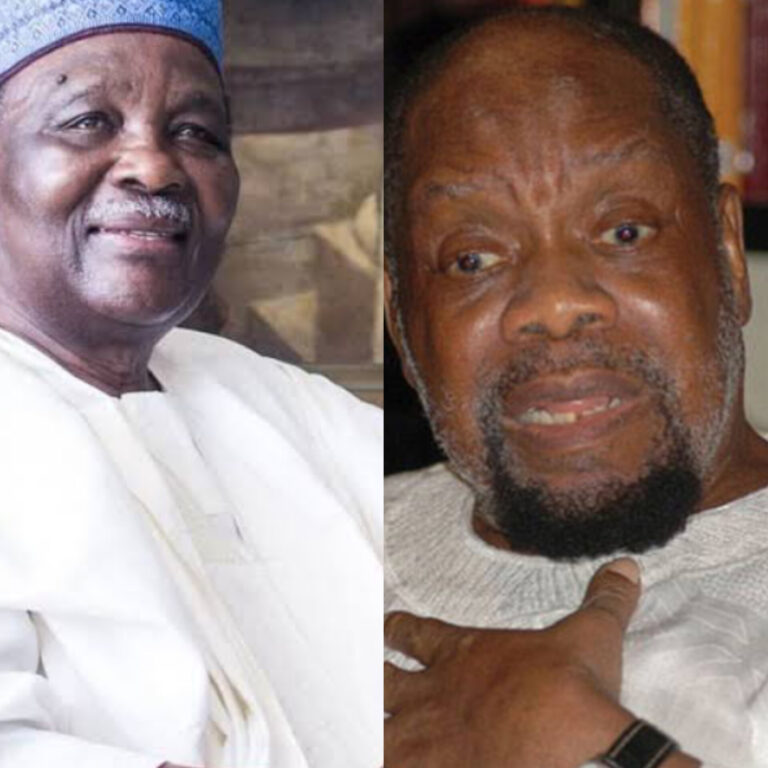
Reflecting on his relationship with the late Chukwuemeka Odumegwu Ojukwu, Gowon said tensions worsened after Ojukwu allegedly refused to recognise his leadership, a development that contributed to the declaration of Biafra and the outbreak of the civil war.
He maintained that he initially retained Ojukwu in office in an effort to preserve national unity, but events later escalated into a full-scale conflict that eventually ended in 1970 with Biafra’s surrender.