General News
NiMet DG Urges Private Sector to Step Up in Climate Action, Warns of Rising Extreme Weather

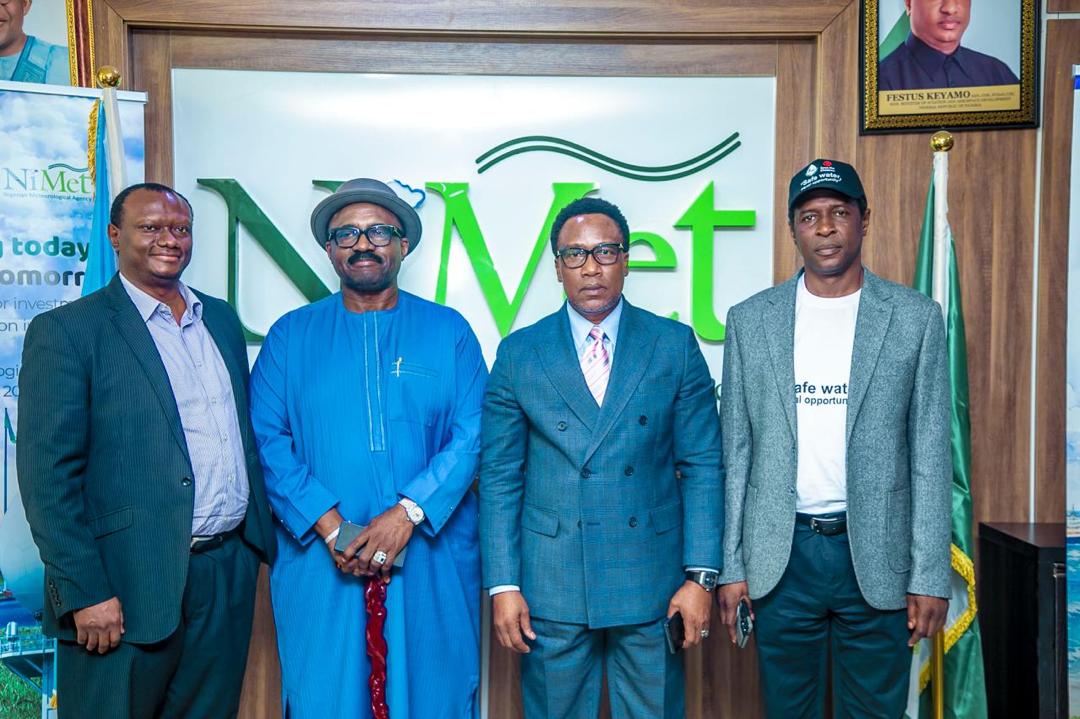
Professor Charles Anosike, Director General and CEO of the Nigerian Meteorological Agency (NiMet), has called on Nigerian companies, universities, and organizations to actively invest in weather and climate monitoring, prediction, and awareness programs to combat climate change and protect lives.
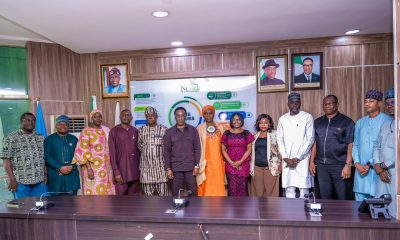
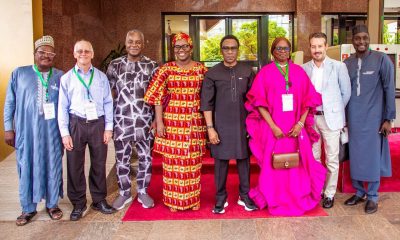
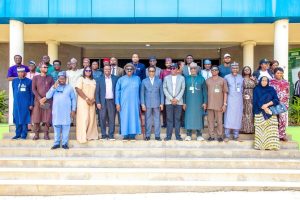
Anosike, who also serves as Nigeria’s Permanent Representative to the World Meteorological Organization (WMO), made the appeal on Wednesday at the National Weather Forecasting and Climate Research Centre, Abuja, during this year’s World Meteorological Day, themed “Observing Today, Protecting Tomorrow.”
Highlighting the critical role of the private sector, Anosike noted that worldwide, companies are increasingly investing in weather stations, remote sensing, data analytics platforms, artificial intelligence (AI) weather models, and innovative observation tools. He urged Nigerian firms to join this growing trend to strengthen national meteorological systems.

“Public-private collaboration is essential for a sustainable national observation system,” Anosike said. “Through partnerships, we can share investments in infrastructure, improve data exchange, and encourage innovation. Every observation collected today safeguards lives and the economy tomorrow.”
He also highlighted NiMet’s expanding regional role, providing technical support to Liberia, Niger, Somalia, and Burkina Faso under the WMO’s Systematic Observations Financing Facility (SOFF), aimed at enhancing meteorological capacities across developing nations.
Citing the State of the Climate in Nigeria 2025 report, Anosike warned of rising extreme weather: “Extreme daytime temperatures above 40℃ were recorded in 23 Nigerian cities, with Nguru, Yobe State, recording 100 days above 40℃. Flood events are becoming more frequent and severe nationwide. Accurate weather observation is essential to understanding and mitigating these risks.”
He called on industry leaders, innovators, research institutions, financial organizations, and development partners to work with NiMet to expand Nigeria’s meteorological infrastructure and observation capabilities.
WMO Secretary-General Prof. Celeste Saulo underscored the urgency of climate resilience: “Extreme weather is now the top long-term global risk. Observing and predicting the climate underpins economies and everyday life worldwide. Investment in meteorology is a shared responsibility.”
Director-General of the Nigerian Hydrological Services Agency (NIHSA), Umar Ibrahim Mohammed, lauded NiMet’s decades-long contributions to national development and disaster risk mitigation, while NCAA DG Chris Najomo highlighted the vital role of meteorology in aviation safety, stressing the need for AI-driven forecasting and resilient infrastructure.
Anosike concluded: “World Meteorological Day is a reminder that our observations today determine the safety of our tomorrow. Let us reaffirm our commitment to strengthen meteorological science, deepen partnerships, and invest in the systems that protect lives and secure our future.”