
News
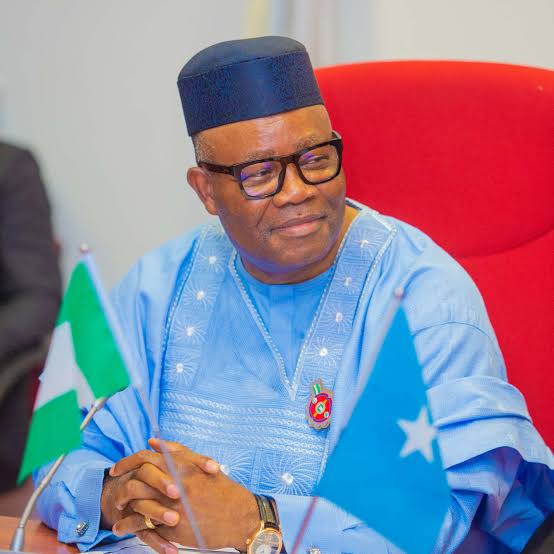
Oshiomhole: Akpabio keeps selling himself as a leader who prefers partnership over division

By Rt. Hon Eseme Eyiboh
A recent video of Senator Adams Oshiomhole praising Senate President Godswill Akpabio has put the spotlight back on the 10th National Assembly. In the clip, Oshiomhole called Akpabio’s leadership exceptional. He said the Senate President has brought politicians from opposition parties into the APC without threats, pressure, or public fights.
According to Oshiomhole, people who used to be fierce opponents are now joining the APC willingly because of the atmosphere Akpabio has created. He even joked that Akpabio deserves a Guinness World Record for pulling off these political shifts so smoothly and seamlessly.

The comment has elevated the positive perception of the 10th Senate and sparked conversations around the institutional integrity of the 10th Senate. For Akpabio’s admirers, it shows his skill at building bridges, cooling down political tension, and getting people to work together. Critics may see it as a typical political praise that comes with power and authority. But beyond the buzz, one thing is clear: the 10th Senate leadership has become one of the most talked-about institutions since this government started.
Since taking office in June 2023, Akpabio has positioned himself as a leader focused on unity and stability. In his first in speech as Senate President, he said his election was a collective win, not a personal one. He promised to lead with fairness and integrity, put teamwork first, and keep national interest above party lines. He admitted that disagreements are normal in democracy, but said the Senate must move past division to focus on lawmaking, oversight, security, and the economy. This demonstrated commitment has occasioned multiple vote of confidence on Akpabio’s leadership by the 10th Senate.
That message mattered because Nigerians were already worried about governance, the economy, and deep political divides. Akpabio promised that the 10th Senate would work with the executive but still do its job as a check on power. He called it “a Senate for all Nigerians” and described his approach as “Servant leadership” and “Uncommon leadership.” Those phrases have stuck.
This style has brought calm to the Senate. Unlike past assemblies marked by internal fights and clashes with the Executive arm, this Senate has kept a working relationship with President Bola Tinubu’s administration. For many analysts, this cooperation is more necessary right now than ever, with inflation, insecurity, unemployment, and debt all weighing on the country.
Several leaders have publicly backed Akpabio’s approach. Edo State Governor, Monday Okpebholo, praised his transformational and development-focused leadership. Deputy Speaker Benjamin Kalu called him visionary and patriotic, saying he has strengthened the National Assembly. Akpabio has also received several awards for legislative integrity and institutional leadership to add verve to his leadership pedigree.
At the International arena, Senator Allwell Heacho Onyesoh credited him with helping Nigeria regain visibility in the Inter-Parliamentary Union, calling it a diplomatic win. Many say this shows the Senate leadership is thinking beyond Abuja.
Akpabio has repeatedly stressed inclusiveness. In many of his speeches, he has spoken about more roles for women, support for persons with disabilities, youth empowerment, and pushing innovation and technology. He has argued that Nigeria’s future depends on preparing young people for a knowledge-based economy and making laws that support technology, entrepreneurship, and revenue sources beyond oil.
This is evidently seen in his home state (Akwa Ibom State). The working relationship between Akpabio and Governor Umo Eno is having a clear effect on Akwa Ibom’s politics and economy. Both men have pushed for inclusive politics, and that has helped calm tensions in the state. Leaders, stakeholders, and ordinary citizens now feel like they have a place in how the state is run. That has made it easier for people across party lines to work together on projects that move the state forward.
One big result is the growing support for Governor Eno’s administration. Instead of stoking division or personal rivalries, Akpabio has publicly backed the governor’s development plans. That has taken some heat out of state politics and given people more confidence in government. For many residents, it now feels like governance is a team effort, not a fight for personal power.
Akpabio’s backing has also put Akwa Ibom more firmly on the federal radar. As Senate President, he has the clout to draw national attention and opportunities to the state. That has led to better cooperation between Akwa Ibom and the federal government on roads, human capital programmes, and economic projects. The calm between both leaders has also made investors and development partners more comfortable. Stable politics make it easier for them to commit.
Governor Eno’s government is seeing the benefits of that stability. His policies on rural development, job creation, agriculture, and social welfare are getting wider public support because political leaders are not pulling in different directions. This symbiotic relationship is the first in the annals of Akwa Ibom State since creation
These ideas line up with President Tinubu’s “Renewed Hope” agenda. The government has pushed through fuel subsidy removal, exchange rate changes, and fiscal reforms to stabilize finances and attract investment. Officials say these moves are necessary for long-term growth, regardless of the hardship for many Nigerians.
That’s why the National Assembly’s role matters now more than ever. The Senate has to pass laws that support reforms, but also keep oversight to make sure policies actually help citizens. Akpabio has said the Senate will protect national interest while backing policies that can drive recovery.
Even with all the praise coming his way, Akpabio often shifts credit to President Tinubu. He frames himself as part of a team, not the sole force behind stability. He has praised Tinubu’s push to rebuild investors’ confidence and restore trust through the Renewed Hope Agenda.
He points to ongoing projects like the Lagos-Calabar Coastal Highway and the Lagos-Maiduguri corridor as signs of long-term planning. These roads show a serious effort to connect the country and fix years of neglect in transport infrastructure.
Akpabio has also highlighted the creation of development commissions across the geopolitical zones. He says this shows the government is trying to make every region feel carried along. In a country often split along ethnic and regional lines, that message resonates.
On security, he has backed the military’s operations against terrorism, banditry, and other crimes. With kidnapping, insurgency, and communal violence still major concerns, his public support for the administration’s approach reinforces the image of the Senate and presidency working together.
One striking part of his recent comments was his mention of early endorsements for Tinubu ahead of 2027. He said the support isn’t random but tied to what he sees as real governance results.
Senator Oshiomhole’s comments also show a strategy in Nigerian politics that party strength is not just about winning elections. It’s about pulling in influential figures from other parties. Defections signal shifting power, and Oshiomhole’s remarks frame Akpabio as a unifier who expands the party through persuasion, not confrontation.
Still, Akpabio keeps selling himself as a leader who prefers partnership over division. His speeches push dialogue, teamwork, and putting Nigeria first. He reminds lawmakers that even though they came in on different platforms, they are all representing one country.
Whether you agree with his politics or not, Akpabio is now one of the deepest and most thoughtful figures in Nigeria’s political space. He has kept strong ties in the Senate, stayed aligned with the presidency, and earned public endorsements from major players. That has solidified his position and sustained the sobriquet “uncommon transformer”.
Rt Hon Eseme Eyiboh is the Special Adviser,Media/Publicity and Official Spokesperson to the President of the Senate