
Business and Economy
Senate Advances Kalu’s Electric Vehicle Transition Bill to Second Reading

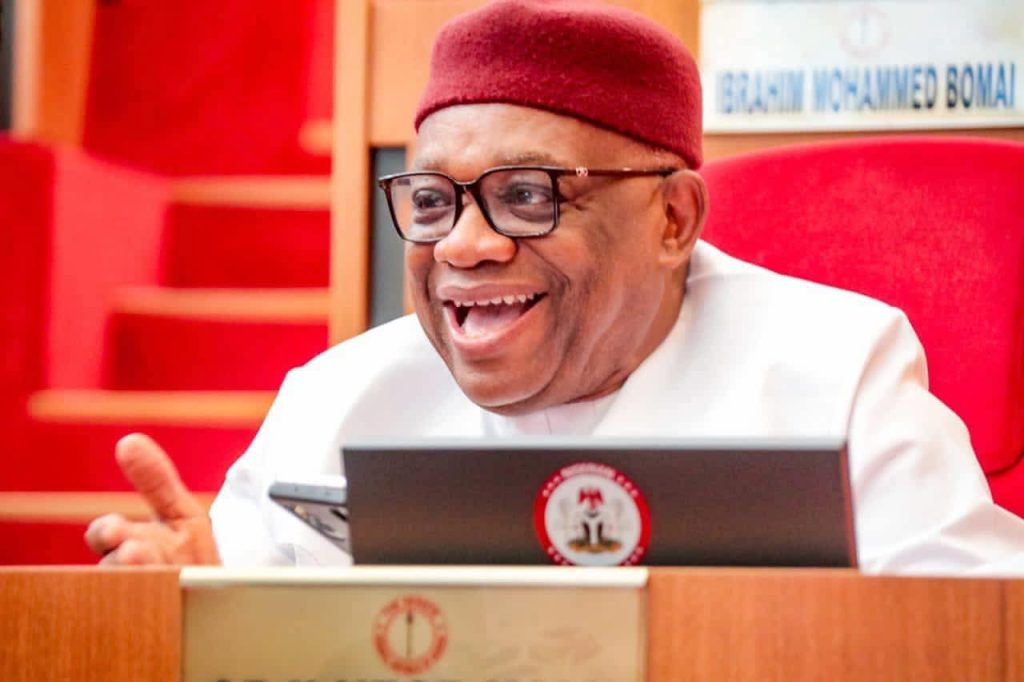
By Iyojo Ameh
The Nigerian Senate, on Wednesday, passed for second reading the Electric Vehicle Transition and Green Mobility Bill, 2025, sponsored by Senator Orji Uzor Kalu (Abia North). The Bill seeks to establish a comprehensive national framework for Nigeria’s transition to electric vehicles (EVs), promote local manufacturing, ensure environmental sustainability, and position the country as a leader in clean energy transportation across Africa.
The proposed legislation, which underwent extensive debate on the Senate floor, outlines a detailed roadmap for achieving electric mobility in Nigeria. It focuses on local content development, foreign partnership regulations, nationwide charging infrastructure, and an inter-ministerial coordination mechanism.
Leading the debate, Senator Kalu explained that the Bill aims to transform Nigeria’s automobile and energy sectors by fostering innovation, encouraging local assembly, and protecting the environment, while generating thousands of jobs along the manufacturing value chain.
“This Bill will help Nigeria move from dependence on fossil fuels toward a cleaner, sustainable energy system. It will ensure that our local industries benefit directly from the global electric vehicle market, create jobs, and reduce urban emissions,” Kalu said.
He added that the Bill includes incentives such as tax holidays, import duty waivers, toll exemptions, subsidies, and road tax relief for EV users and investors. It also mandates the installation of charging points at all fuel stations nationwide.
A key feature of the Bill is its emphasis on local content compliance. It requires foreign automakers operating in Nigeria to partner with licensed local assemblers and establish assembly plants within three years. By 2030, these companies must achieve at least 30 percent local sourcing of components.
Non-compliance will attract strict sanctions, including suspension of operations and fines of ₦250 million per violation. Similarly, unlicensed importers or dealers involved in EV sales without government approval face a ₦500 million fine per shipment and confiscation of their goods.
The Bill further prohibits unauthorized research and development partnerships, directing that all government grants or incentives for EV innovation must be administered through licensed Nigerian institutions.
“We are creating a system that protects Nigerian industries and ensures that technology transfer and innovation take place locally,” Kalu stated.
The Bill establishes a regulatory and institutional framework coordinated by the Federal Ministry of Industry, Trade, and Investment, supported by the following agencies:
Standards Organisation of Nigeria (SON): To develop safety and performance standards for EVs, batteries, and charging systems.
Federal Ministry of Transportation: To handle licensing, integration of EVs into public transport, and infrastructure guidelines.
Federal Ministry of Power: To ensure renewable energy integration and develop energy tariffs for EVs.
Federal Inland Revenue Service (FIRS): To manage tax incentives and publish annual reports on fiscal impact.
Federal Ministry of Environment: To oversee battery recycling, waste management, and compliance with Nigeria’s international environmental obligations.
Lawmakers Commend Kalu’s Initiative
During deliberations, senators across party lines praised Kalu—who also chairs the Senate Committee on the South East Development Commission—for his foresight in sponsoring a Bill that aligns Nigeria with global technological and environmental trends.
Senator Adamu Aliero (Kebbi Central) emphasized the need to reduce Nigeria’s carbon footprint, particularly in industrialized and traffic-heavy cities.
“The world is moving forward, and cities like Lagos and Kano are already burdened by carbon emissions. Electric vehicles will cut pollution, improve public health, and create a new industrial ecosystem. Instead of exporting lithium, we should process and utilize it locally to create jobs and diversify our economy,” Aliero said.
Senator Osita Ngwu (Enugu West) stressed that adopting electric vehicles is essential for tackling the long-term effects of climate change.
“Climate change is already affecting our communities and agricultural productivity. Embracing clean mobility is a duty to future generations,” Ngwu remarked.
Senator Titus Zam added that Nigeria must not lag behind, noting that many countries across the world have already embraced electric mobility.
“From Europe to Asia and several African nations, the electric vehicle revolution is in full swing. Nigeria must act now to remain competitive,” Zam asserted.
Driving Industrial Growth and Economic Diversification
Beyond its environmental objectives, the Electric Vehicle Transition and Green Mobility Bill seeks to stimulate economic growth by boosting local production capacity and expanding Nigeria’s role in the global EV value chain.
Clause 3 mandates that any Nigerian company seeking to assemble EVs must demonstrate a minimum production capacity of 5,000 units annually, meet international safety standards, and show financial and technical capability for sustained operations.
Private investors establishing charging stations will qualify for government grants and tax credits, while all fuel stations must install EV charging points to facilitate nationwide adoption.
“Our vision is to make Nigeria the hub of electric vehicle manufacturing in Africa, create employment for our youth, and accelerate our shift toward renewable energy,” Kalu reiterated.
After thorough deliberation, the Bill was subjected to a voice vote and passed for second reading, with Senate President Godswill Akpabio presiding.
Akpabio lauded Senator Kalu for his initiative, describing the Bill as a forward-looking legislative proposal consistent with President Bola Tinubu’s economic diversification and clean energy agenda.
“This Bill represents an important step toward sustainable industrial growth and environmental responsibility. Nigeria must prepare for the future of transportation and energy,” Akpabio said.
The Bill was referred to the Senate Committee on Industry for further legislative scrutiny and is expected to report back within four weeks.