
Governance
State Police: Deputy Senate President Meets IGP Committee, Assures Nigerians’ Concerns Will Be Addressed

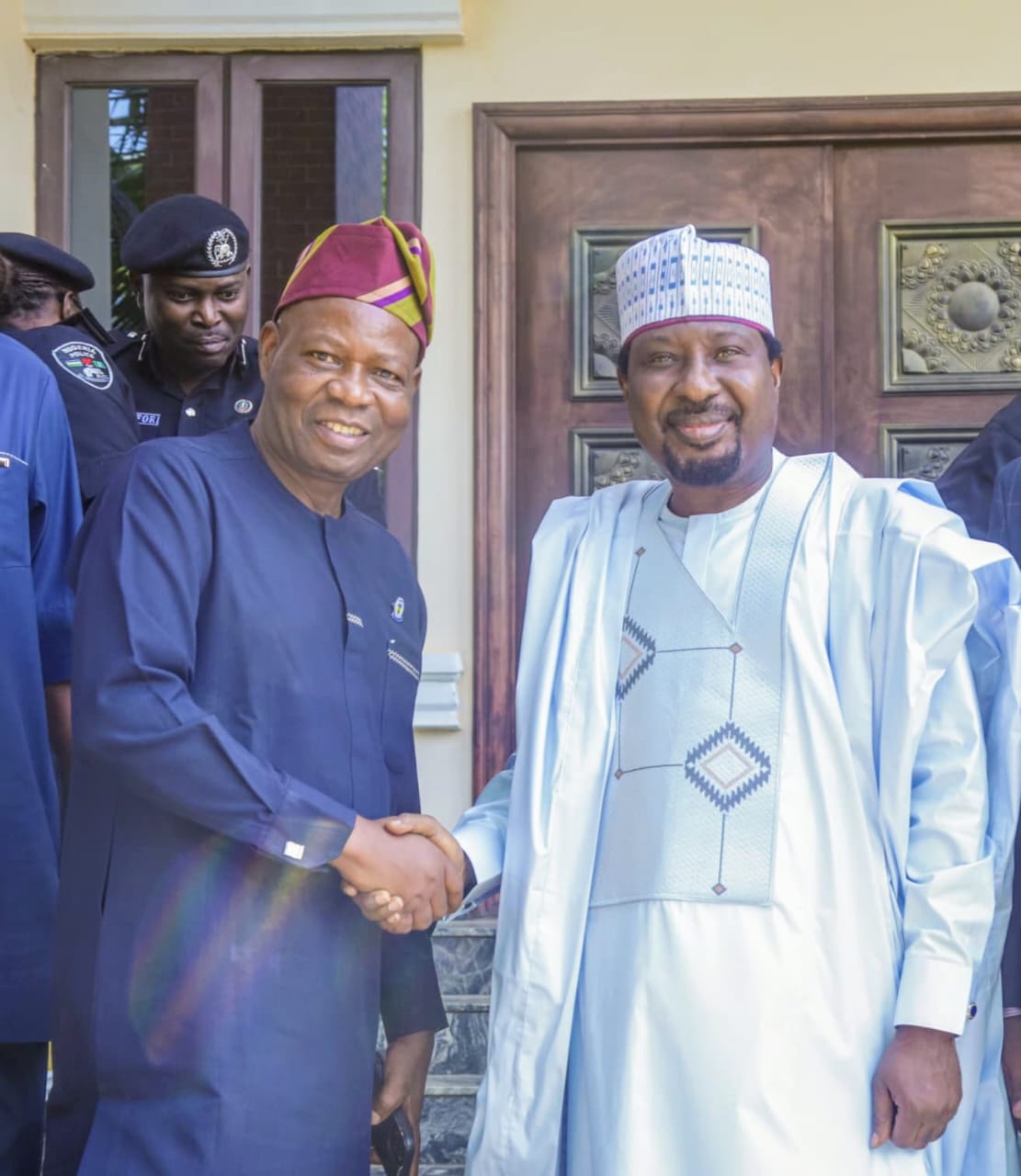
Deputy President of the Senate, Senator Barau I. Jibrin, has received members of the Nigeria Police Force steering committee tasked with developing a framework for the establishment of State Police during a courtesy visit.
The Inspector-General of Police, Olatunji Disu, had on March 4, 2026, inaugurated an eight-member committee to work out modalities for the creation of state police.
Senator Barau, who also chairs the Senate Committee on the Review of the 1999 Constitution, received the delegation led by its Chairman, Professor Olu Ogunsakin, in Abuja on Tuesday.
According to a statement issued by his spokesperson, Ismail Mudashir, Professor Ogunsakin briefed the Deputy Senate President on the committee’s mandate and sought the Senate’s guidance and input to strengthen its final report.
In his response, Senator Barau commended the Inspector-General of Police for aligning with President Bola Ahmed Tinubu’s Renewed Hope Agenda aimed at strengthening national security.
He urged members of the committee to prioritise measures that will ensure accountability, prevent abuse, and promote public awareness.
“You must, most importantly, develop a framework that guarantees a strong public safety system and fosters a more secure nation.
“During the Senate’s public hearings on the amendment of the 1999 Constitution, Nigerians expressed concerns and fears regarding the establishment of state police. We must design a system that addresses and allays those concerns,” he said.
A key bill currently before the Senate Committee on the Review of the 1999 Constitution seeks to amend the Constitution to provide for the establishment of State and Community Police, with the aim of strengthening local law enforcement and enhancing community engagement within a well-defined legal structure.
To ensure inclusiveness, the committee led by Senator Barau conducted zonal public hearings across the six geopolitical zones of the country, allowing stakeholders from different regions to contribute meaningfully to the constitutional amendment process.