
Opinion
When the Palace Chose Truth Over Applause

_By Sam Agogo_
In Nigeria, election seasons often follow a familiar script. Politicians and their representatives move from palace to palace, church to church, and mosque to mosque, seeking blessings, endorsements, and symbolic approval. The meetings are usually cordial. Smiles are exchanged, prayers are offered, photographs are taken, and everyone leaves satisfied.
But in Katsina, that script was unexpectedly interrupted.
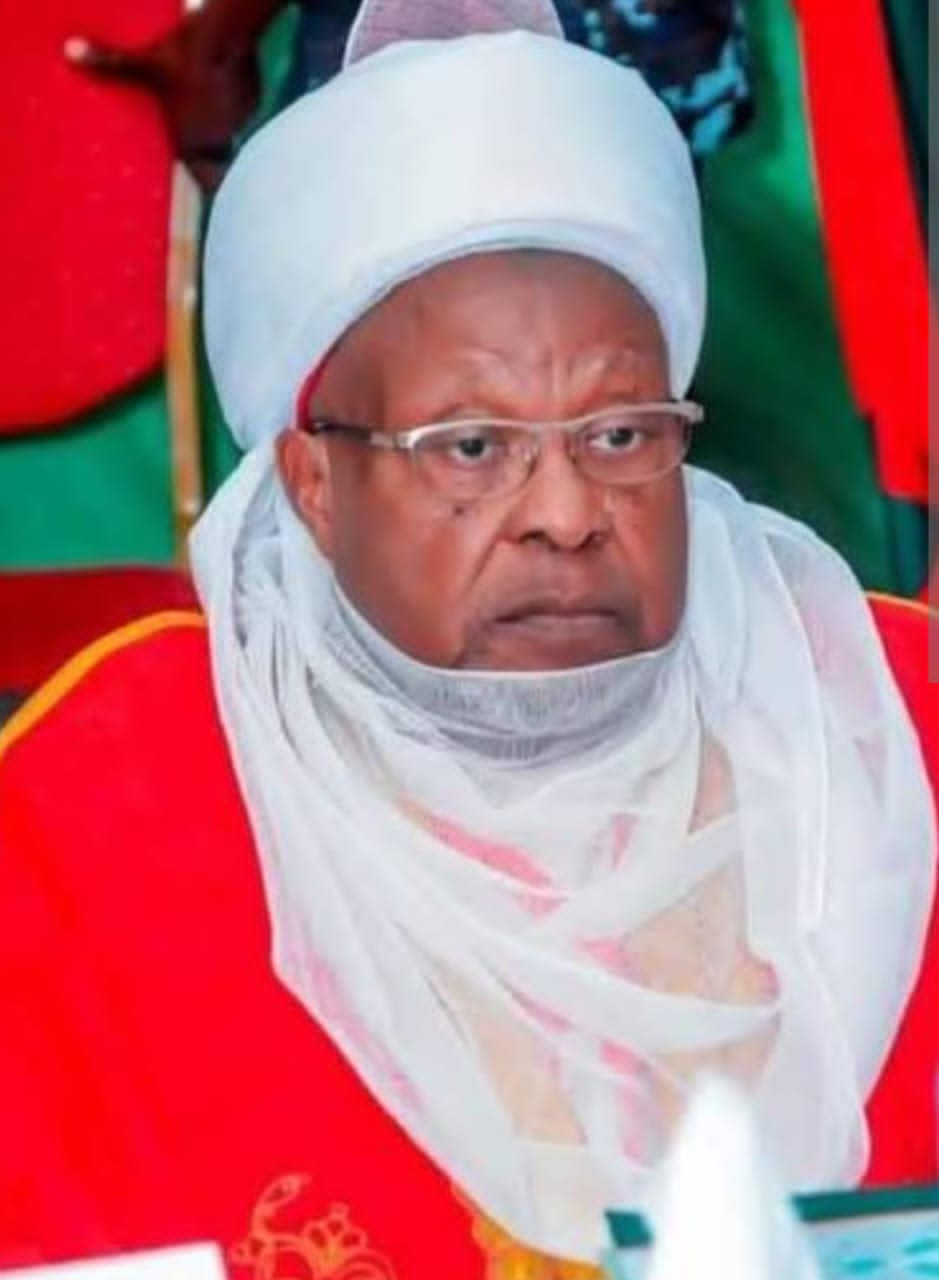
When Senator Abdulaziz Yari, a key figure in President Bola Tinubu’s anticipated 2027 campaign efforts, visited the palace of the Emir of Katsina, Alhaji Abdulmumini Kabir Usman, many expected another routine courtesy visit. Instead, what emerged was a rare display of honesty that has since echoed far beyond the palace walls.
According to reports, the Emir challenged the visiting politician with uncomfortable questions. He reportedly urged leaders to stop deceiving Nigerians, reminded them that politics should be about service rather than recklessness, and questioned why farmers in Katsina and other parts of the North have been unable to cultivate their lands due to insecurity. He also wondered aloud why many prominent northern leaders have remained silent while their people continue to suffer.
For speaking so boldly, the Emir deserves commendation.
Truth is often celebrated in principle but punished in practice. Those who dare to speak uncomfortable truths to powerful people usually risk losing influence, opportunities, and even relationships. Yet the Emir chose to place the concerns of his people above the comfort that silence often provides.
That decision matters.
Traditional rulers occupy a unique position in Nigerian society. They are respected custodians of culture and history, but they also operate within political realities that can make direct criticism difficult. Many would have chosen diplomacy over confrontation. Many would have offered polite remarks and moved on.

The Emir did something different.
He used his platform to draw attention to the daily struggles of ordinary citizens. His comments reflected the frustrations of countless farmers unable to work their lands because of fear.
They reflected the pain of communities living under the shadow of banditry, kidnapping, and violence. They reflected concerns about a region that has witnessed the decline of industries that once provided employment and hope.
What makes his intervention powerful is that it was not framed as partisan politics.
He did not endorse an opposition party. He did not campaign against anyone. Instead, he spoke about responsibility, honesty, and leadership. He reminded political actors that they cannot expect the trust of the people if they fail to address the people’s suffering.
That is a message that transcends party lines.
The insecurity confronting northern communities is not an abstract political issue. It is a reality that has disrupted livelihoods, displaced families, and weakened economic activity. Empty farms mean reduced food production. Reduced food production means higher food prices. Higher prices deepen poverty. The cycle affects everyone.
When farmers can no longer safely enter their fields, the consequences extend far beyond agriculture. Entire communities feel the impact.
Yet while applauding the Emir’s courage, fairness demands that we acknowledge another side of the conversation.
Critics have pointed to previous controversies involving the Katsina Emirate, particularly debates surrounding the treatment of voices that raised concerns about insecurity within the system itself. These concerns serve as an important reminder that those who advocate for openness must also be willing to embrace criticism directed at them.
The principle is simple: truth should not depend on who is speaking.
If political leaders must listen to criticism, traditional institutions should do the same. Accountability cannot be selective.
Supporters of the government will also argue that many of today’s security and economic challenges were inherited, that reforms require time to produce results, and that one public conversation should not be interpreted as a final judgment on any administration. Those arguments are legitimate and deserve consideration.
But they do not diminish the value of the Emir’s intervention.
In fact, they strengthen it.
Democracy thrives when leaders are willing to hear difficult messages. Constructive criticism is not an act of disloyalty. It is often the first step toward improvement. A government confident in its performance should welcome honest feedback rather than fear it.
The larger lesson from Katsina is that leadership is not measured by how loudly one praises those in power. Leadership is measured by the willingness to defend the interests of the people even when doing so is uncomfortable.
Too many influential figures remain silent in the face of hardship because silence is convenient. It protects relationships. It preserves access. It avoids conflict. Some even choose material rewards over moral responsibility, convincing themselves that today’s benefits are worth tomorrow’s judgment.
But silence rarely solves problems.
The Emir’s remarks serve as a reminder that public office, traditional authority, and religious influence all carry a moral obligation. Those entrusted with leadership must be prepared to speak when communities are hurting.
Let those who prefer money to courage take note. Wealth can purchase silence, but it cannot buy a good place in history. One day, long after the contracts have expired, the favours forgotten, and the powerful have departed the scene, posterity will examine the choices made in these difficult times. It will remember those who stood before power and spoke honestly, and it will remember those who looked away because the price of truth was too high. The question for every leader is simple: when the story of this generation is written, will they be remembered for their courage or for the silence they sold? History rarely honours those who chose comfort over conviction. It remembers those who spoke when speaking carried a cost.
History tends to remember such moments.
Long after campaign promises have faded and political slogans have been forgotten, people will remember who stood with them during difficult times. They will remember who spoke honestly when honesty carried a cost. They will remember who chose courage over convenience.
That is why the events in the Katsina palace resonated so deeply.
They were not merely about politics. They were about responsibility. They were about truth. They were about a leader who looked beyond protocol and chose to voice the concerns of his people.
Whether those concerns will inspire meaningful action remains to be seen. The real test now belongs to those who heard the message. Will they return to government circles and act on the issues raised? Will insecurity, hunger, unemployment, and economic decline receive the urgency they deserve?
Only time will answer those questions.
But one thing is already certain: on that day in Katsina, the palace did not offer flattery. It offered truth. And in a nation hungry for honest leadership, that may be the most valuable gift of all.
For comments, reflections and further conversation:
Email: samuelagogo4one@yahoo.com
Phone: +234 805 584 7364