
Opinion
WHY THE CHINESE WEAR YOU OUT AT THE NEGOTIATING TABLE — AND WHAT DANGOTE’S LESSON MEANS FOR NIGERIAN BUSINESS

*By Sam Agogo*
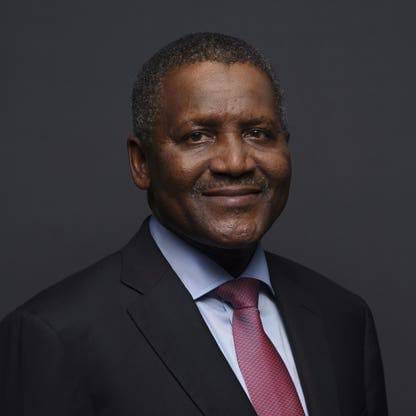
When Aliko Dangote, Africa’s richest man, was interviewed recently by the American content creator James Dumoulin — co-founder of the social media brand School of Hard Knocks — one line from the conversation has since travelled far beyond the interview itself: that the Chinese, in business dealings, have a way of wearing their counterparts out. It is a short sentence, delivered almost in passing, but it carries the weight of decades of hard commercial experience. For anyone building a serious enterprise in Nigeria today, especially those who deal with Asian manufacturers, financiers, or contractors, it is worth unpacking properly.
To be “worn out” in a negotiation does not mean losing an argument. It means losing patience, and with it, losing leverage. Chinese commercial culture, shaped over centuries of trade and reinforced by modern industrial practice, treats negotiation not as a single event to be won quickly but as a long campaign to be endured. Meetings stretch on. Decisions are deferred. Terms already agreed upon are quietly revisited. Silence is used deliberately, forcing the other side to fill the gap, often by conceding something. None of this is accidental. It is a method, refined and repeated, designed to test how badly the other party needs the deal, and how long they can hold their position before fatigue sets in.
Dangote’s point, coming from a man who has spent decades negotiating cement plants, refinery equipment, and industrial financing with Chinese and other Asian partners, is instructive precisely because it is not a complaint. It is an observation offered as a warning to younger entrepreneurs: understand the game before you sit at the table. A businessman who walks into a negotiation expecting a quick, tidy resolution, in the Western fashion of clear offers and swift counter-offers, will find himself unsettled by a process that seems to have no end. He will be tempted to rush, to concede early just to bring the discomfort to a close. That is exactly the outcome the other side is patiently waiting for.
This pattern is well documented in international business literature and is not unique to any one nationality’s negotiating style, but it is most associated with Chinese commercial practice because of how consistently and deliberately it is applied. Endurance is treated almost as a virtue in itself. Relationship-building, what is often called guanxi, takes precedence over speed. A Chinese counterpart may spend an entire meeting asking questions, gathering information, and revealing very little, not because he is unprepared, but because information asymmetry is itself a form of advantage. The lesson for the Nigerian entrepreneur is not that the Chinese are dishonest or unfair. It is that they play a longer game, and expect their partners to be able to match that patience.
For those glowing with ambition and stepping into business for the first time, whether trading, manufacturing, or seeking foreign partnership and financing, there are practical lessons here worth carrying into every boardroom. First, prepare thoroughly before any negotiation and know your true walk-away point in advance, so fatigue cannot manufacture a concession you did not intend to make. Second, never mistake a long process for a failed one; patience is not weakness, it is often the price of a durable deal. Third, build relationships before you need them, since trust established over time is worth more in these dealings than any clause in a contract signed in haste. Fourth, resist the urge to fill silence with concessions; a pause in conversation is not always an invitation to sweeten your offer. Finally, treat every negotiation as one chapter in a longer relationship rather than a contest to be won outright, because the partner who wears you down today may be the one you need again tomorrow.
Dangote built an industrial empire spanning cement, sugar, fertiliser, and petroleum refining partly because he learned these lessons early, from a small trading enterprise in Kano to boardroom dealings with global partners. His caution to young Nigerians is simple in its wisdom: success in business is rarely won by the side that moves fastest. It is won by the side that can outlast the other without losing its footing. In a Nigerian economy increasingly tied to Asian capital, technology, and trade, that lesson deserves far more attention than it has so far received.
*For comments, reflections and further conversation, email samuelagogo4one@yahoo.com or call +2348055847364*