
Agriculture
World Bee Day 2025: FG, Youths Unite to Celebrate World Bee Day in Abuja …eyes $ 3bn Honey Market


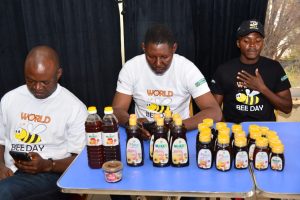
Nigeria joined the global community on Tuesday to mark World Bee Day 2025 with a strong focus on youth empowerment, food security, and environmental sustainability. The event, which also hosted the 6th Nigerian Youth Beekeepers Summit, was organized in Abuja by the Federal Ministry of Livestock Development in partnership with the Youths for Apiculture Initiative (YFAI).

This year’s global theme, “Bee inspired by nature to nourish us all,” underscored the vital role of bees and other pollinators in maintaining ecological balance, supporting food production, and contributing to environmental health.

Delivering the keynote address, the Honourable Minister of Livestock Development emphasized the critical importance of bees in global agriculture, noting that they are responsible for pollinating over 75% of crops consumed worldwide — including fruits, vegetables, seeds, and nuts.
He described apiculture as a potential goldmine for Nigeria, capable of creating jobs, reducing poverty, and generating sustainable income, especially for the youth and women. “Apiculture holds immense potential for economic growth and nourishment of the Nigerian populace. Through modern beekeeping practices and the active involvement of our youth, we can unlock this potential,” he said.
This marked the first time the newly created Ministry of Livestock Development was organizing World Bee Day since its establishment by President Bola Ahmed Tinubu. The Minister reaffirmed the Ministry’s commitment to supporting the apiculture sector through policy development, modern apiary expansion, and capacity building.
A Standard Operating Procedure (SOP) for Nigeria’s honey bee products, he said, has already been drafted and awaits review. It will serve as the foundation for a national code of practice aimed at boosting the quality and export-readiness of Nigerian honey.
However, the Minister also sounded a note of caution, pointing out that bees face increasing threats from climate change, habitat destruction, pesticide use, and other human activities like bush burning and vandalism. “We must work together to tackle these threats and promote sustainable beekeeping practices,” he said.
In his address, Mr. Kingsley Nwaogu, National President of Youths for Apiculture Initiative (YFAI), called attention to Nigeria’s overdependence on honey imports — currently estimated at $3 billion annually — even as domestic production struggles to meet just 10% of national demand.
“Beekeeping is a powerful tool for grassroots empowerment. It is gender and age inclusive, has low setup costs, and generates income across various sectors,” Nwaogu said. He called on government and private sector players to invest in beekeeping as a green economy enterprise with the potential to combat climate change and youth unemployment.
He also advocated for the establishment of an Apiculture Board and a full-fledged department within the Ministry to coordinate the growth of the industry — a model already adopted successfully in countries like Ethiopia. “We must elevate apiculture to its rightful place in Nigeria’s agricultural agenda,” he urged.
Yusuf Adeyemo (FSM), Director-General of YFAI, echoed these sentiments, hailing the Ministry’s historic support for this year’s celebration as a turning point in the youth-led apiculture movement. He appealed for mobile honey testing labs in collaboration with NAFDAC, and the creation of apiary estates across Nigeria to boost production and quality.
The event brought together top officials from government agencies including NAFDAC, RMRDC, the Great Green Wall Authority, private stakeholders, development partners, and youth beekeepers from across the country.
As the event concluded, speakers agreed on the need for concerted action to tackle key challenges in the honey bee value chain, including low productivity, weak product standards, declining pollinator populations, and public misconceptions about bees.
World Bee Day, celebrated annually on May 20, was established by the United Nations in 2018 through the efforts of Slovenia and Apimondia. It aims to raise global awareness about the critical role of pollinators and the urgent need to protect them.