
General News
Youth Discontent, Opposition Coalition Could Test Tinubu’s 2027 Ambitions — Analyst

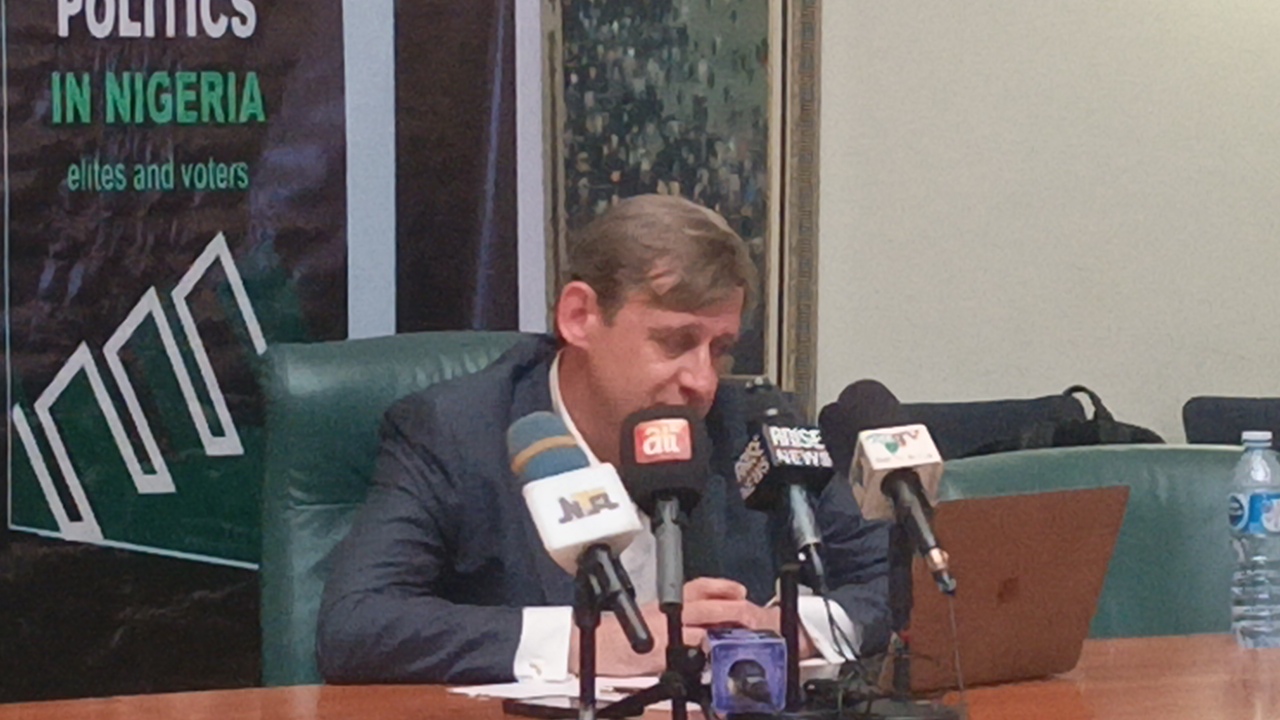
Russian political analyst Valentin Bianki has identified growing public dissatisfaction, youth participation and the possibility of a united opposition as factors that could shape President Bola Tinubu’s re-election bid in 2027.
In his book, Politics in Nigeria: Elites and Voters, Bianki examines the country’s political dynamics following the 2023 presidential election, arguing that although the ruling All Progressives Congress (APC) remains a strong contender, several challenges could influence the next electoral contest.
The analyst cites the APC’s expanding political influence and the advantages enjoyed by an incumbent president as factors that could strengthen Tinubu’s position.
However, he identifies economic hardship, insecurity, internal party tensions and public dissatisfaction with established political parties as potential obstacles to the president’s second-term ambition.
Opposition Coalition Could Alter Political Calculations

Bianki argues that the ability of opposition parties to overcome internal disagreements and unite behind a common presidential candidate could significantly influence the 2027 election.
The Peoples Democratic Party (PDP), which governed Nigeria from 1999 to 2015, has struggled to regain its former political strength amid successive electoral defeats and internal crises.
The 2023 election also witnessed the emergence of Peter Obi of the Labour Party and Rabiu Kwankwaso of the New Nigeria Peoples Party as influential political figures, disrupting established voting patterns.
According to Bianki, an opposition alliance involving prominent politicians and their support networks could present a more coordinated challenge to the APC.
However, he cautions that an alliance alone would not guarantee electoral victory.
He identifies agreement on a presidential and vice-presidential ticket, effective grassroots mobilisation, a persuasive campaign platform and the ability to attract undecided voters as critical considerations.

The African Democratic Congress (ADC) also features in his examination of opposition coalition-building, particularly the difficulties of reconciling competing ambitions and regional interests among influential politicians.
Bianki further highlights the sensitive question of regional balance in selecting an opposition presidential candidate, noting that the choice could affect the coalition’s ability to attract support across the country.
Young Nigerians Emerge as Key Electoral Constituency
The analyst identifies Nigeria’s growing youth population as another potentially influential factor in the 2027 presidential election.
During the 2023 polls, Obi attracted considerable support among younger voters, with digital platforms playing an important role in his political mobilisation.
However, Bianki warns that online popularity does not automatically translate into votes on election day.
He argues that the capacity of political movements to convert digital engagement into voter registration, mobilisation and actual turnout could determine the electoral influence of young Nigerians.
Economic difficulties, insecurity and dissatisfaction with political institutions could also shape how young voters approach the next election.
The analysis raises concerns about voter apathy, suggesting that disappointment with established parties could discourage electoral participation and weaken confidence in the democratic process.
Economic Conditions Could Influence Tinubu’s Re-Election Bid
Despite the challenges identified, Bianki considers Tinubu a strong contender for a second term, citing the APC’s political reach, the influence of its officeholders and the advantages associated with incumbency.
He also examines how the interests of APC governorship and legislative candidates could encourage support for the president’s re-election campaign.
Nevertheless, the analyst points to possible disagreements within the ruling party, particularly among longstanding members who may feel marginalised by the growing inclusion of politicians from opposition parties.
Tinubu’s economic policies could also become an important issue in the campaign.
The removal of petrol subsidies and changes to the naira’s exchange-rate policy have been major features of the administration’s economic programme. Their political implications, Bianki’s analysis suggests, will depend partly on how voters assess their effects on living costs and household welfare.
Persistent insecurity and further economic deterioration could also create difficulties for the administration ahead of the polls.
Analyst Identifies Three Possible Election Scenarios
Bianki outlines three broad possibilities for the 2027 election, with Tinubu winning a second term presented as the baseline scenario.
The first alternative involves opposition parties and influential political figures overcoming their differences to form a coordinated alliance capable of challenging the incumbent.
The second envisages a major political or economic crisis that substantially weakens Tinubu’s standing before the election.
The analyst identifies worsening insecurity, economic decline, escalating separatist tensions and large-scale protests as possible developments that could reshape the political environment.
He also considers whether a new generation of politically engaged Nigerians could mount a stronger challenge to established political arrangements.
The scenarios are presented as possibilities rather than predictions of inevitable outcomes.
Political Elites and Voters at the Centre of the Contest
Beyond the presidential race, Bianki examines the influence of political elites, patronage networks and individual ambitions on Nigeria’s democratic process.
His assessment of the 2023 election challenges the notion that the country’s electoral competition is determined exclusively by the APC and PDP, pointing to the impact of Obi and Kwankwaso on established political calculations.
The analysis suggests that established political structures remain influential, but emerging political movements and shifting voter preferences could alter the dynamics of future elections.
As the 2027 presidential contest approaches, the ability of opposition parties to coordinate their efforts, the participation of young voters, economic conditions and rivalries within political parties are expected to remain central to political discussions.
Bianki’s analysis ultimately presents Tinubu as a strong contender while acknowledging that developments before election day could change the competitive landscape.
Source: Valentin Bianki’s Politics in Nigeria: Elites and Voters, based on the supplied excerpts examining the 2023 election and possible scenarios for 2027.