General News
2027 Elections: Ojukwu Warns Foreign Missions Against ‘Unsolicited Lectures’

By Iyojo Ameh
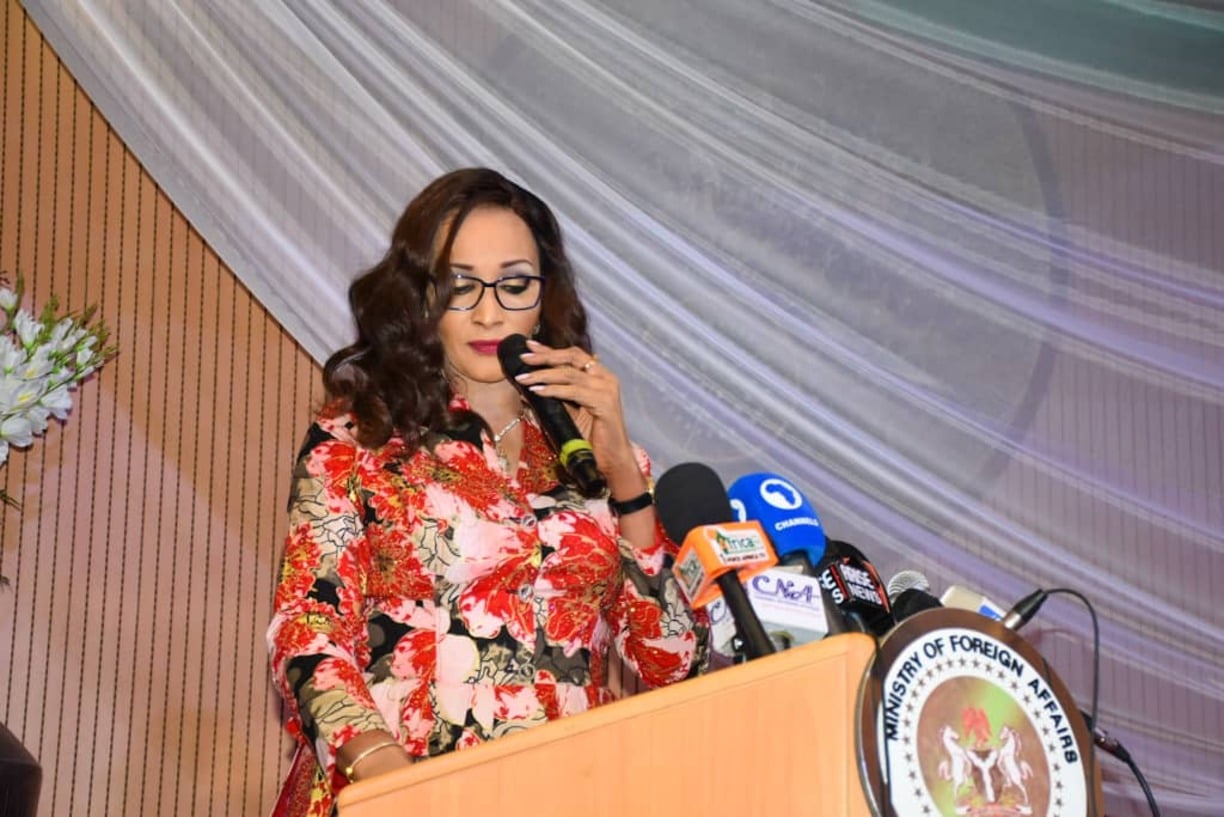
The Minister of State for Foreign Affairs, Bianca Odumegwu-Ojukwu, has warned foreign diplomatic missions in Nigeria against making unguarded or disparaging remarks about the country’s 2027 general elections.
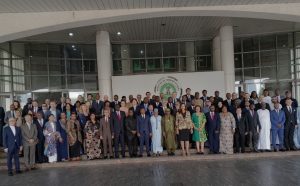
Ojukwu gave the warning on Thursday in Abuja during her first engagement with members of the Diplomatic Corps as the Honourable Minister of Foreign Affairs where she urged foreign missions to Nigeria to respect the sovereignty and democratic processes of the country.

The minister said the Federal Government was committed to a peaceful, free, fair and credible election, noting that Nigeria’s position as Africa’s largest democracy made developments in the country significant to the region and the international community.
“Also, as the 2027 general elections draw near, the Ministry of Foreign Affairs would request that missions remain guided,” she said.

“Recognising the fact that Nigeria is the largest democracy in Africa, and that developments in Nigeria have regional and international complications and implications, we would not look kindly upon unguarded comments, disparaging remarks, or unsolicited lectures on democracy.”
She urged diplomats to channel concerns about Nigeria through the Ministry of Foreign Affairs, assuring them that the ministry remained available to provide clarification and address issues affecting their missions.
Ojukwu described the ministry as the “diplomatic home in Nigeria” for foreign missions and encouraged diplomats to engage government through the appropriate channels whenever they encountered difficulties or required clarification.
She said the ministry served as the official link between diplomatic missions and the Presidency, ministries, departments and agencies of the Federal Government, stressing that the arrangement was intended to promote coordination and effective follow-up rather than restrict diplomatic access.
On Nigeria’s foreign policy, Ojukwu said the administration’s framework remained anchored on Demography, Development, Democracy and Diaspora, with national interest at the centre of the country’s international engagements.
She said Nigeria would maintain strategic autonomy while strengthening cooperation with countries across the world based on mutual respect, reciprocity and international obligations.
“Strategic autonomy does not mean isolation; it means preserving Nigeria’s sovereign right to determine the relationships and positions that best serve our people,” she said.
The minister also called for the revival of outstanding Joint Commissions and Bi-National Commissions with other countries, saying the platforms could be used to deepen cooperation in trade, investment, security, education, technology, health and agriculture.
She appealed to foreign missions to review visa procedures for Nigerians, particularly lengthy waiting periods that affect students, businesspeople, legitimate travellers and families.
While acknowledging the right of sovereign states to determine their visa policies, she urged the missions to make the processes more efficient, transparent and responsive.
Ojukwu also assured members of the Diplomatic Corps of the Federal Government’s commitment to protecting diplomats, their families, premises and property in accordance with Nigeria’s obligations under the Vienna Conventions.
She said Nigeria would continue to promote dialogue, multilateralism and peaceful resolution of disputes through its engagements with ECOWAS, the African Union, United Nations, Commonwealth and other international bodies.
The minister said the effectiveness of Nigeria’s diplomatic partnerships should ultimately be reflected in tangible benefits for citizens, including investments, opportunities, stronger cooperation and the resolution of shared challenges.