
General News
AI Sovereignty and the Future of Africa: A Digital Turning Point

By Oluwatobi Adeleke, Social Media Coordinator, PROFESSOR ADEMOLA OJO EMMANUEL FOUNDATION
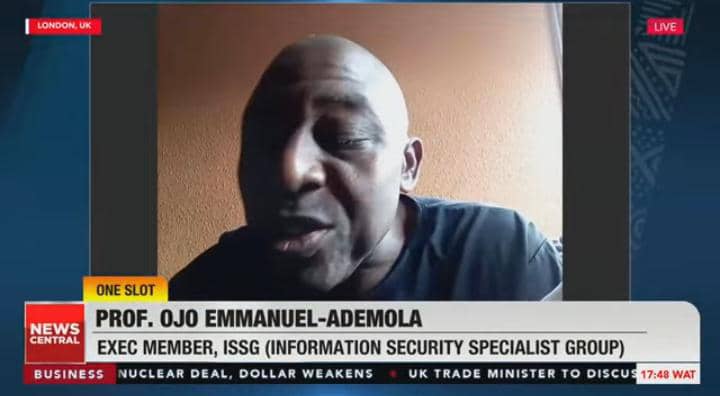
Prof. Ojo Emmanuel-Ademola Discusses Major Tech Companies and the Battle for Africa’s AI Leadership on News Central TV
Recently, on News Central’s One Slot, Cybersecurity and IT expert Prof.



The segment, titled “Meta, Google & the AI Battle for Africa’s Digital Future,” aired on June 3, 2025, and shed light on the changing dynamics of technology and control in Africa.
What Does AI Sovereignty Mean for Africa?
Prof. Ademola expressed that AI sovereignty involves much more than simply having the latest technological advancements; it emphasises the need for control and autonomy over AI systems. For African nations, this means having the capability to manage the development and application of AI technologies within their borders. He stated, “It’s about ensuring that our data remains here, that our cultures are respected, and that these systems reflect the values and needs of African people.” While he acknowledged the progress made by companies like Google and Meta in using local data to enhance their AI models, he cautioned that achieving true technological independence is a challenging journey that requires concerted effort and strategic planning.
Cultural Relevance in AI Development:
A critical aspect of developing AI that truly benefits Africa is the integration of local languages, traditional knowledge, and cultural practices. Prof. Ademola emphasized that “incorporating African languages and local wisdom is vital for creating ethical AI.” This approach helps preserve the continent’s rich heritage and ensures that AI tools effectively address the unique challenges faced by diverse communities. He further highlighted that prioritizing cultural relevance is essential to prevent biases that could lead to inequities in technology application, fostering fairness in how AI benefits various sectors such as health care, education, and agriculture.
Working Together for Progress:
Professor Ademola emphasized the importance of building strong partnerships between government entities and private businesses to fully harness the potential of AI for Africa’s development. He proposed several actionable strategies:
1. Investing in Research: Governments and organisations should allocate resources to research initiatives that address Africa’s specific challenges, especially in critical sectors such as healthcare, agricultural innovation, renewable energy, and legal frameworks.
2. Creating Clear Regulations: Establishing transparent guidelines to foster innovation while safeguarding individual privacy and data protection is essential.
3. Building Public-Private Partnerships: Collaborations between the government and the private sector can effectively combine skills and resources, enabling the development of AI solutions that cater to local needs.
4. Promoting Education and Training: Investing in educational programs is vital to cultivating a skilled workforce capable of tackling future AI challenges and enhancing capabilities across various disciplines.
The Importance of Acting Now:
As AI technologies reshape global landscapes, Africa finds itself at a critical crossroads. The decisions made today regarding data ownership, technological development, and cultural representation will greatly determine whether the continent becomes a leader or remains a follower in the global technology sphere. Prof. Ademola’s message is urgent: “Africa cannot afford to sit back. We must take charge of our digital future and ensure it accurately reflects who we are.” The time for action is now, as the path to AI sovereignty and digital empowerment requires decisive steps and collaborative efforts.