
General News
Easter Message: Senator Opeyemi Bamidele Urges Leaders to Uphold Electoral Act for National Unity

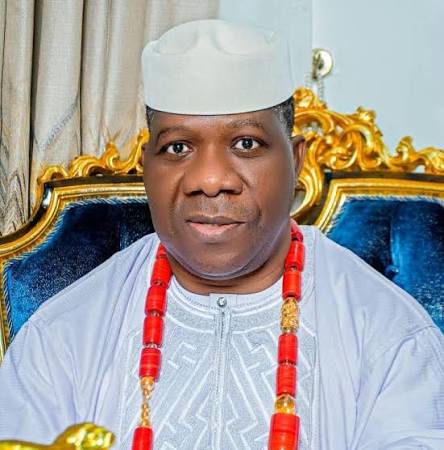
Today, we commemorate the resurrection of Jesus Christ, our Lord and Saviour. Christ suffered and died for the sins of the world, and His resurrection signifies His triumph over death to the glory of God Almighty. His crucifixion and resurrection represent the ultimate sacrifice made for the redemption of all who accept and embrace His offering.
This is the message Christ presents to humanity, and it is especially relevant to our nation at a time when certain rogue elements are threatening our peace and security. The recent attacks in Jos, Plateau State, and Kahir in Kaduna State, for instance, contradict the message of Christ the Crucified. These acts are heinous crimes that devalue human life and weaken our national unity and harmony.
As an institution committed to public interest and collective prosperity, the National Assembly will not remain passive while criminal elements attempt to destroy the nation we are building for future generations and positioning for global relevance. We are optimistic that an end to these violent acts is within reach, as we continue to collaborate with both federal and state governments to decisively tackle the root causes of insecurity across the country.
This collaboration is reflected in the ongoing amendment of the 2022 Terrorism (Prevention and Prohibition) Act, alongside other legislative efforts aimed at strengthening security and stability, even in the most remote parts of the country. The proposed review seeks to enforce stricter penalties against kidnappers, their sponsors, and informants, ensuring that the consequences are more severe than in the past.
Furthermore, Christ’s message offers a vital lesson for political actors and leaders during this electioneering period. Rather than engaging in divisive actions that threaten national cohesion, all stakeholders must embody the values of sacrifice and tolerance emphasized during this season. In the interest of the public, the parliament dedicated 24 months to enacting the Electoral Act, 2026. This Act is not the result of unilateral decisions but a consensus involving all stakeholders, including civil society organisations and development partners. It is now imperative that all abide by its provisions.
The National Assembly has faced criticism for introducing a requirement that political parties submit a digital register of their members to INEC within a specified timeframe. However, this provision is not self-serving. It aligns with global best practices and is designed to promote transparency and collective decision-making within political parties.
Globally, political parties are built on clear ideological foundations that guide individuals in choosing their affiliations. Membership is therefore not merely administrative but central to the functioning of any political party. Every member has the right to contribute to the party’s decision-making process, which necessitates proper regulation and transparency—hence the introduction of the digital membership register. This measure aims to prevent influential outsiders from hijacking party structures and decisions.
Similarly, the decision to limit candidate nomination processes to either direct primaries or consensus has also attracted criticism. This provision is deliberate and intended to eliminate the delegate system, which often undermines the will of the majority and empowers moneyed interests to manipulate outcomes. Under the new system, all party members can participate directly in selecting candidates in a transparent manner. This ensures that the power of decision-making rests with the members rather than a few delegates susceptible to inducement.
Every provision of the Act is a product of broad stakeholder agreement, not legislative imposition. As we celebrate the resurrection of Christ, we must commit to abiding by the rules we collectively established to guarantee peace, order, and stability in our political system.
Senator Opeyemi Bamidele, CON
Leader of the Senate,
Federal Republic of Nigeria
5th April 2026.