
News
Nigeria’s Prosperity Key to Africa’s Stability — Mahama’s Remarks Spark Reactions

By Sam Agogo
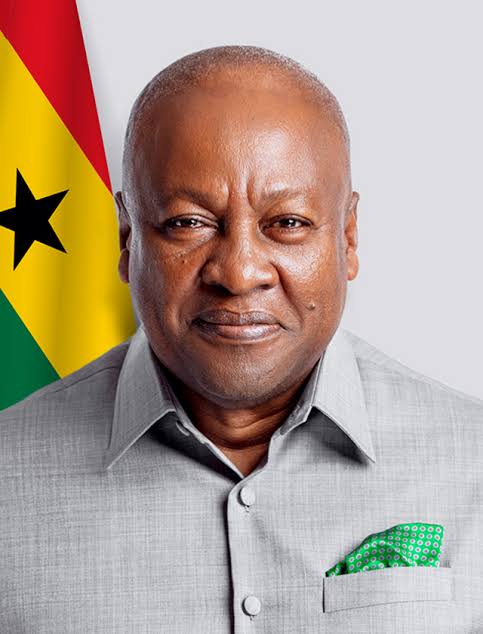
Ghanaian President John Mahama has declared that he prays for Nigeria’s success, stressing that the prosperity of Africa’s most populous nation is crucial for regional stability. He noted that if Nigeria thrives, its citizens would not feel compelled to migrate to Ghana or elsewhere. While his words were framed as goodwill, many Nigerians interpret them as a strong indictment of their country’s leadership. For them, Mahama’s statement is a reminder that Nigeria’s leaders must do far more than they are doing now to restore the country’s strength and dignity.
Observers recall that Ghana itself once faced severe economic hardship, forcing thousands of its citizens to seek refuge in Nigeria. This history makes Mahama’s remarks sting even more, as Nigerians question what moral ground Ghana — which once relied on Nigeria — has to lecture its neighbor. The irony is further compounded by South Africa, where anti-migrant groups and some political figures have openly called for Nigerians to leave, accusing them of crime and job competition. Demonstrations have targeted Nigerians in particular, and tensions flared when a Nigerian community leader was installed in the Eastern Cape, sparking protests from locals. Yet history reminds us that Nigeria stood firmly with South Africa during the apartheid era, offering financial aid, diplomatic support, and solidarity. Today, however, Nigerians are treated with hostility in a country they once helped liberate.
Beyond these tensions, the plight of Nigerians migrating through Libya paints an even darker picture. Many drown in the Mediterranean Sea, while countless others perish in the desert, driven by desperation for a better life. Those who survive the journey often face enslavement, with women subjected to sexual exploitation. These tragedies highlight the human cost of Nigeria’s failures at home and the urgent need for reform. Despite these challenges, Nigerians remain remarkably resilient. While some individuals abroad have been linked to crime, the majority are simply seeking survival and opportunity.
At the heart of the issue lies Nigeria’s governance. Citizens argue that corruption and mismanagement have crippled the nation. The wealth stolen by some persons is often enough to sustain an entire state or region, underscoring the scale of squandered resources. This reality has fueled frustration and reinforced the call for leaders to rise above complacency and deliver genuine progress. Nigerians believe that with visionary leadership, security, and development, they would prefer to remain at home rather than endure hardship abroad.
Nigeria is often described as the giant of Africa, a nation blessed with immense human and natural resources, cultural influence, and economic potential. Yet it is this very giant that now finds its citizens threatened by smaller nations such as Ghana, South Africa, and others. The contradiction is striking: countries that once relied on Nigeria’s generosity and support now turn against its people.
Mahama’s remarks, the contradictions in South Africa, and the tragedies of migration through Libya converge on one undeniable truth: Nigeria’s prosperity is not only vital for its people but for Africa’s collective stability. A strong Nigeria would ease migration pressures, reduce xenophobic tensions, and reaffirm the continent’s unity. But for this to happen, Nigeria’s leaders must go beyond rhetoric and half-measures, and finally deliver the kind of governance that matches the nation’s stature as Africa’s giant.
For comments, reflections, and further conversation, email: samuelagogo4one@yahoo.com or call: +2348055847364