General News
TCN, AfDB Move to Strengthen National Grid with Battery Energy Storage Project

By Iyojo Ameh
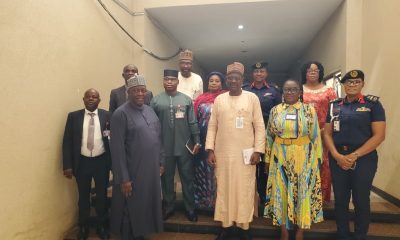
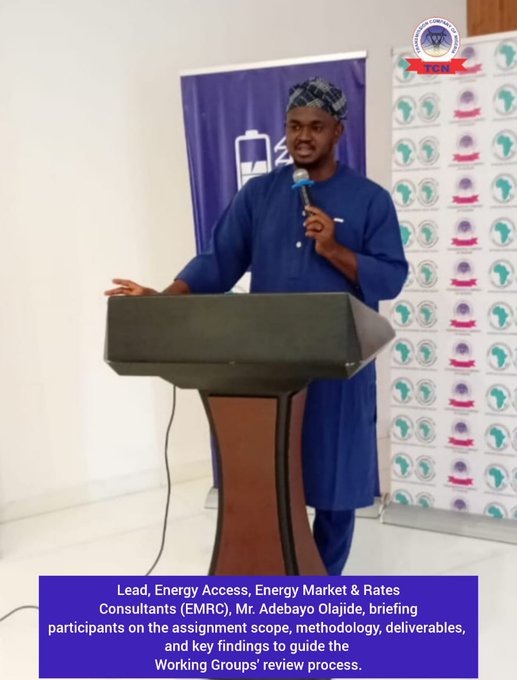
The Transmission Company of Nigeria (TCN), in collaboration with the African Development Bank, has commenced a two-day validation workshop on the Battery Energy Storage System (BESS) Feasibility Study, a key initiative aimed at enhancing electricity grid stability and improving power supply across Nigeria.
The workshop, which began on Monday in Abuja, brings together stakeholders from the power sector to review and validate findings and policy recommendations that will guide the implementation of battery energy storage solutions within Nigeria’s electricity network.

Speaking at the event, the Managing Director and Chief Executive Officer of TCN, Sule Ahmed Abdulaziz, called on participants to make meaningful contributions to the deliberations, stressing the need for the final report to reflect the realities and challenges of Nigeria’s power sector.

Represented by TCN’s General Manager, Engineering, Mojeed Akintola, Abdulaziz described the initiative as timely and strategic, particularly as the country seeks innovative solutions to improve electricity reliability and grid performance.

He noted that the Battery Energy Storage System project represents a forward-looking intervention by TCN and AfDB to address system instability, improve grid balancing, and support the integration of renewable energy into the national grid.
According to him, energy storage technology has become increasingly important globally as countries seek to modernize their power systems, reduce outages, and ensure more efficient electricity transmission and distribution.
In his remarks, the lead consultant for the project, Tajudeen Humble Sikiru, urged stakeholders to carefully scrutinize the feasibility study and policy documents during the validation process.
He emphasized that every recommendation contained in the report should be thoroughly examined to ensure that the project delivers sustainable benefits to the Nigerian electricity sector.
Sikiru described the validation exercise as a critical stage in the project development process, noting that the future effectiveness of battery energy storage deployment in Nigeria would depend largely on the quality of feedback and decisions reached during the workshop.
The Battery Energy Storage System initiative is expected to play a significant role in strengthening grid resilience, managing fluctuations in electricity supply and demand, and supporting Nigeria’s broader efforts to achieve a more stable and efficient power sector.
The workshop is scheduled to conclude on Tuesday, with stakeholders expected to adopt recommendations that will shape the next phase of the project.