
Agriculture
Africa’s livestock future lies in its youths, innovation and home-grown solutions—not imported genetics.

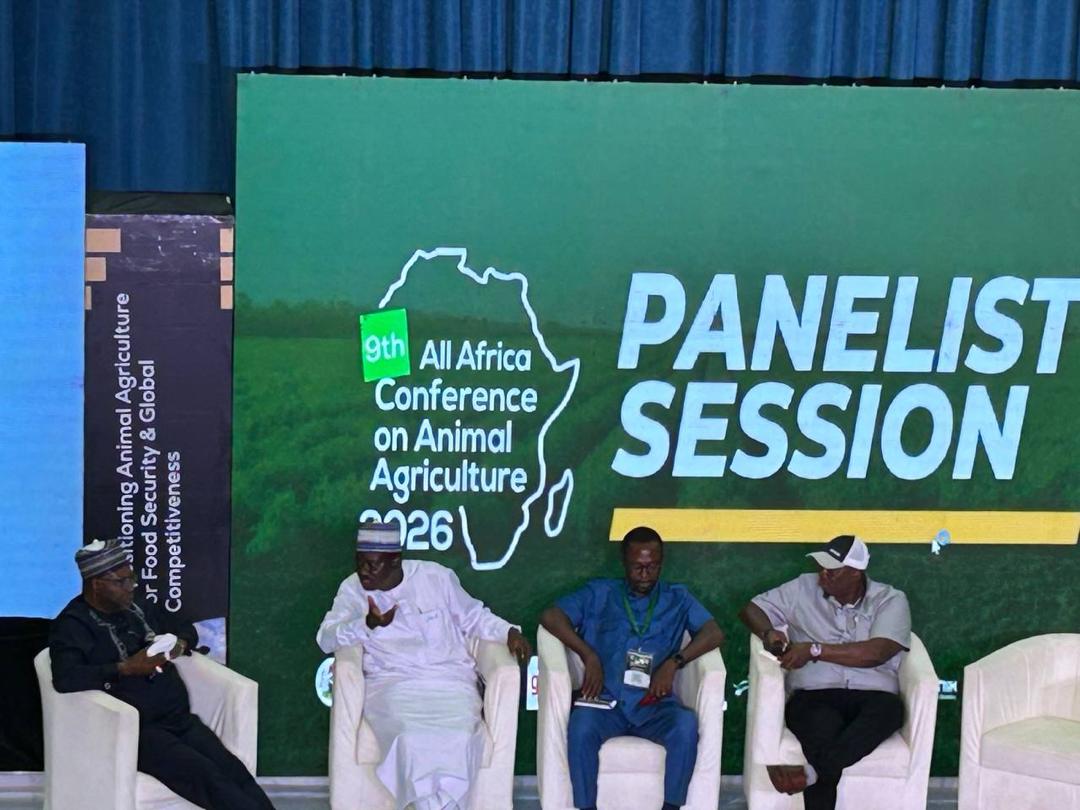
Panelists at the 9th All Africa Conference on Animal Agriculture have called on African countries to reduce their dependence on imported genetic materials and strengthen practical, farm-based training for youths, particularly agricultural graduates.
During the panel session in Abuja, a member of the Presidential Livestock Implementation Committee, Professor Demo Kalla, said African countries, particularly Nigeria, must empower young people to drive innovation and economic growth in the livestock sector.
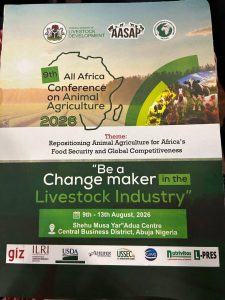
Professor Kalla described Nigerian youths as the country’s greatest asset, stressing the need to properly harness their potential through productive opportunities. He noted that young people could transform livestock production through artificial intelligence, digital platforms, animal tracking, agribusiness, processing and other areas of the value chain.
“Our youthful population is our greatest asset, but it is, on the other hand, a keg of gunpowder waiting to happen to us if we do not harness their creativity, their talents, and their energies and direct them towards productive means,” he said.
Professor Kalla maintained that the livestock sector represents a huge economic opportunity for youths beyond traditional farming, with opportunities in technology, engineering, logistics and service delivery.
He said, “For us in the livestock sector, our focus is to see youth take up innovative enterprises and innovative platforms, digital economy, digital platforms, and AI-enabled systems to change the face of our current production systems and make them more efficient than what they are.
“Thank God for what previously has happened, but we need system enablers that we can leverage to move our productive sector beyond Nigeria within the African space and globally to become competitive.
“This particular conference was designed to bring the youth together and to get all Africans at one table to think of animal agriculture not only as a means of livelihood and sustenance but also as a gold mine that has not been tapped.
“It is a multi-trillion-dollar economy that is awaiting being unfolded, and this is where the youth of this country can find themselves. Some in agribusiness, some in making ear tags so we can trace where the animals are, some in ensuring that the systems are there, some in even provide service provision.”
He also stressed the importance of animal-source foods to Nigeria’s nutritional security, noting that milk, meat, eggs and other livestock products remain essential components of a healthy food system.
Another panelist from Ghana, Professor Kawu Domako, called for greater efforts to attract young people into agriculture, saying early education and access to finance are critical to making the sector more appealing.
Professor Domako said African countries should introduce agriculture as a subject at the basic education level to expose children to the sector from an early age.
He also urged African governments to prioritise food production, stressing that the continent has abundant fertile and arable land but still imports basic food commodities.
He pointed out that governments must create youth-focused financing schemes, including grants and affordable funding, to enable young people to establish agricultural businesses.
“We need to create a conducive environment to let agriculture become attractive to young people,” he said.
He added: “We need to create a conducive environment to let agriculture become attractive to young people. And so the way that we can do that is to have a youth-centred financing scheme.
“It can be a small grant, but as they start and they succeed, we can give them a top-up grant. Young people don’t have collateral. They may not have a record. They may not have cash flow. But we need to trust them and assist them to start agriculture.
“With these measures, I believe that we can encourage young people to be interested in agriculture, because agriculture is a huge business. It’s a multi-billion-dollar area that we can make a lot of money if we encourage the young people to take up agriculture.”
According to him, many young farmers rely on personal savings because they lack collateral and cannot access affordable loans, while the absence of guaranteed markets also exposes them to significant financial risks.