
News
Breaking the Chains: How SERE Training Can Save You from Kidnappers

By Sam Agogo
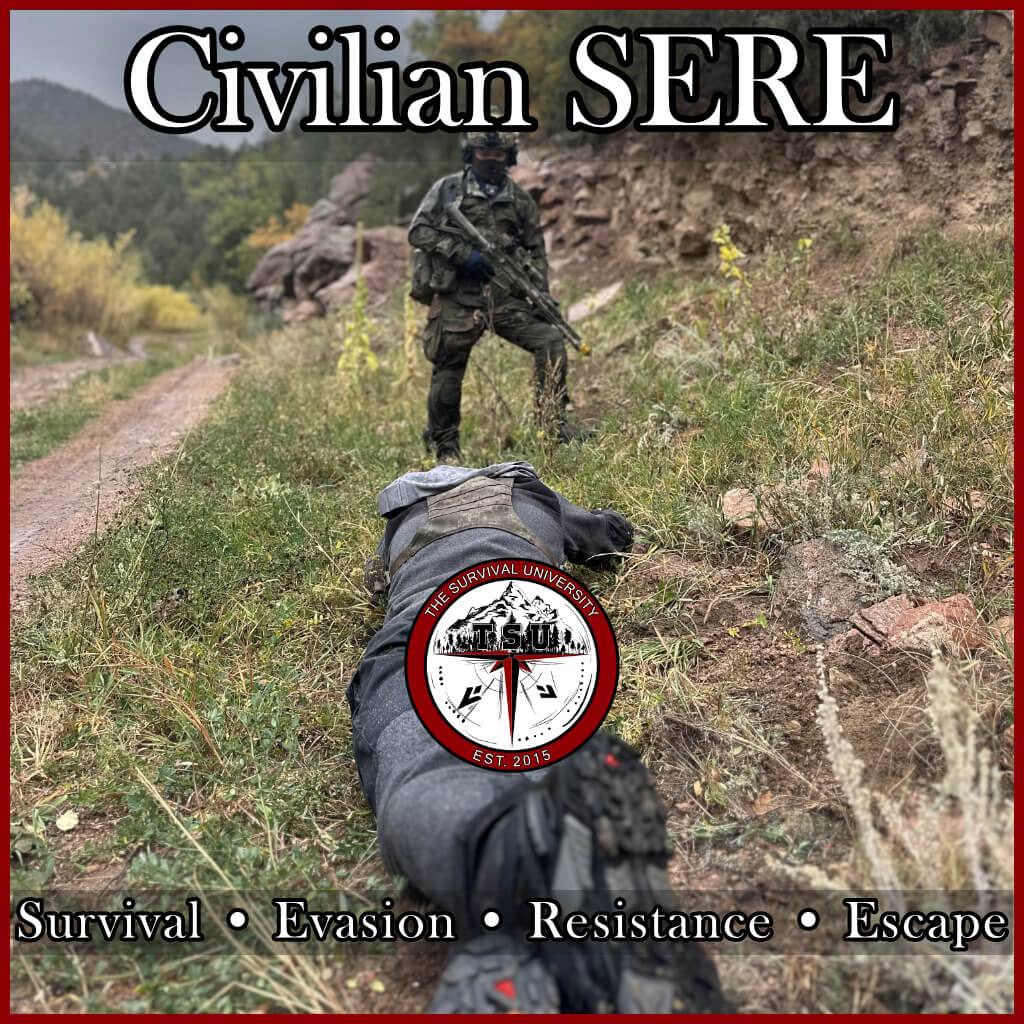
Kidnapping has become one of the most terrifying realities of our time. Families are shattered, communities live in fear, and countless victims have been forced to sell everything they own to pay ransom—only to be betrayed and killed afterward. This cycle of fear and exploitation has left ordinary people vulnerable, searching for answers. In this climate of insecurity, SERE—Survival, Evasion, Resistance, and Escape—training offers a lifeline.
Take the story of Musa, a young trader traveling from Kaduna to Abuja. His bus was ambushed by armed men, and he was dragged deep into the forest. For days, he was held captive, threatened, and starved. The kidnappers demanded ransom from his family, but Musa remembered lessons from a civilian survival course he once attended. He controlled his breathing to stay calm, observed the captors’ routines, and noted that one guard often fell asleep during the night shift. One evening, Musa quietly loosened the ropes binding his hands, slipped away into the darkness, and used the sound of a nearby river to guide his path. He avoided open areas, crawled through thick vegetation, and resisted the urge to run blindly. After hours of careful movement, he reached a village where locals helped him contact the authorities. Musa survived because he applied the principles of SERE: survival of the body and mind, evasion through patience, resistance against fear, and escape through calculated courage.

Survival begins with the body and the mind. A victim must learn to regulate panic, conserve energy, and stay hydrated. Even in captivity, small acts—like controlling breathing, staying mentally alert, and observing surroundings—can sustain life. Survival also means improvising: using scraps of cloth for warmth, finding hidden sources of water, or quietly storing food when possible. Most importantly, it means refusing to surrender mentally, because the mind is the first battlefield. A woman abducted in an urban setting once survived by quietly collecting rainwater dripping through a broken roof. She rationed it carefully, keeping herself alive until she found a chance to escape.
Evasion is the art of disappearing. Kidnappers often move victims through forests, villages, or cities. Knowing how to blend into terrain, mask footprints, or use crowds as cover can create opportunities to slip away. In rural areas, following rivers or using natural camouflage can help. In cities, changing appearance, moving quickly into busy streets, or using distractions can make escape possible. A teenager abducted in Lagos managed to slip away when his captors stopped at a crowded market. He quickly changed his shirt, blended into the crowd, and disappeared before they realized he was gone.
Resistance is the hardest test. Kidnappers rely on fear, threats, and manipulation to break their victims. Resistance means protecting your identity and your willpower. Techniques include mentally rehearsing personal truths, compartmentalizing pain, and refusing to give away critical information. It is about fortifying the mind against despair, reminding yourself constantly that freedom is possible. A victim once resisted psychological manipulation by silently repeating the names of his children, reminding himself of his purpose to survive. This mental exercise kept him strong until he found a chance to escape.

Escape is the culmination of all preparation. It may involve loosening knots, exploiting weak locks, or using improvised tools. Escape requires observation—studying captors’ routines, identifying blind spots, and timing movements with precision. Once free, navigation becomes critical: orienting by stars, landmarks, or even traffic flow to find safety. Escape is not a reckless dash; it is a calculated move, the moment when survival, evasion, and resistance converge into liberation. A farmer abducted in Plateau State escaped by observing that his captors always left a small window unlatched. He used a piece of wire to pry it open, slipped out silently, and followed the sound of distant traffic until he reached safety.
While SERE training offers powerful tools, it is not a guarantee. Every situation is different, and sometimes compliance may be necessary to preserve life until help arrives. The balance lies in preparation: knowing when to endure, when to resist, and when to act. Communities must also work together—families should share safety strategies, schools can teach resilience, and local organizations can provide training. Kidnapping thrives on fear and helplessness. SERE training counters that fear with knowledge, resilience, and hope. It teaches that captivity does not mean defeat, that ransom is not the only option, and that freedom is always worth fighting for. By embracing these principles, civilians can transform vulnerability into strength and reclaim their right to live without fear.
The shadows of kidnapping and insecurity may loom large, but they are not invincible. With SERE principles, ordinary people can transform fear into resilience, vulnerability into strength, and captivity into the possibility of freedom. Every innocent person deserves the chance to survive, resist, and escape. And with knowledge, courage, and preparation, that chance becomes a reality.
For comments, reflections, and further conversation, please email samuelagogo4one@yahoo.com or call +2348055847364.