
General News
From Election Reporting to Media Safety, Editors Debate Nigeria’s Democratic Future

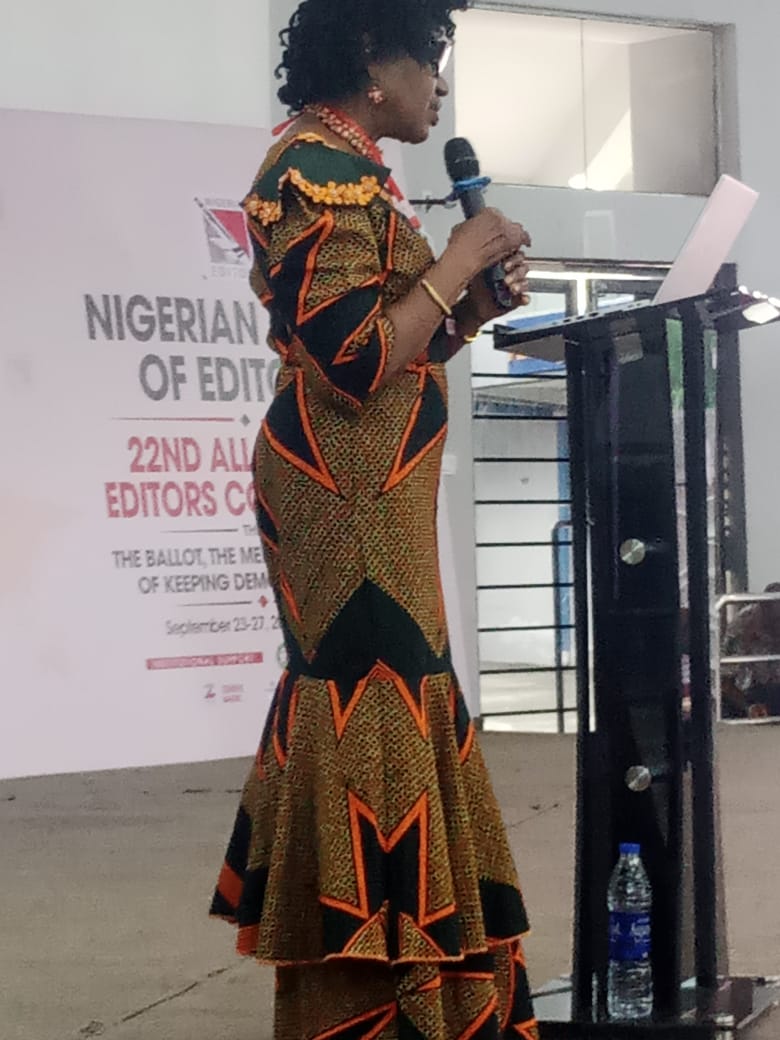
Enugu — The second day of the ongoing 22nd All Nigeria Editors Conference in Enugu featured wide-ranging discussions on election security, responsible journalism, democratic accountability, national security and the welfare of media practitioners.
A media scholar, Professor Stella Chinyere Okunna, urged journalists to use their institutional influence to strengthen Nigeria’s democracy, stressing the need for editors to remain conscious of their role in shaping public opinion.
Speaking on communication theories including Agenda Setting, Framing, Status Conferral, Watchdog and Gatekeeping, Professor Okunna said the media has a constitutional responsibility to interrogate political actors and draw public attention to issues affecting democratic governance.
She emphasized that neutrality in election reporting should not be interpreted as silence or indifference to electoral malpractice, but should mean impartiality among legitimate political contenders.

Professor Okunna also cautioned against reliance on unverified citizen journalism, stressing that accuracy, truth and professional ethics must remain the foundation of credible journalism. She described election security as extending beyond the physical safety of voters and journalists to include the credibility, integrity and public acceptance of electoral outcomes.
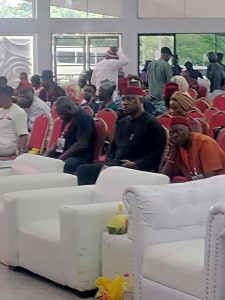
On national security and press freedom, veteran journalist, Mr. Martins Oloja, cautioned journalists against allowing their platforms to become channels for terrorist propaganda.
Speaking on “Reporting Terrorism Without Becoming a Tool for Terrorists,” Mr. Oloja identified fear, fame and funding as key elements that terrorists seek to generate through media coverage.
He urged editors to prioritise accuracy and context over speed, avoid publishing unverified casualty figures or sensitive live coverage during hostage situations, and refrain from displaying graphic images or hostage videos that could further serve the interests of criminal groups.
Also speaking at the conference, a former Governor of Anambra State, Mr. Peter Obi, called on the media to subject political office seekers to rigorous scrutiny.
He urged journalists to examine the records, qualifications and claims of public officials and demand transparency and accountability from political leaders.
Mr. Obi also raised concerns over national priorities, particularly what he described as inadequate investment in healthcare, and called on the press to continue to hold governments accountable for decisions affecting ordinary Nigerians.
The issue of electoral justice and public trust also featured prominently, with legal scholar Professor Auwal Yadudu examining the relationship between election management, the judiciary and democratic stability.
He noted that electoral outcomes are subject not only to the votes cast but also to legal and procedural requirements.
Referring to notable election disputes in Rivers, Imo, Osun and Zamfara states, Professor Yadudu challenged editors to encourage deeper public debate on whether judicial interventions that alter electoral outcomes strengthen or weaken public confidence in the democratic process.
Meanwhile, attention was also drawn to the health and wellbeing of journalists, with Dr. Richard Okoye warning that the pressures of deadlines, long working hours and unmanaged health conditions could have serious consequences for media practitioners.
He urged journalists to pay attention to warning signs such as persistent fatigue, breathing difficulties and swelling of the limbs, while managing conditions including hypertension and diabetes.
At the conference, editors and media practitioners examined the role of the press in protecting democracy, promoting public trust, enhancing national security and ensuring responsible journalism in an increasingly digital environment.
