Governance
FRSC, NAICOM Join Forces to Strengthen Insurance Compliance, Road Safety


By our Reporter
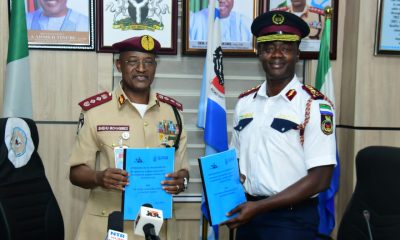
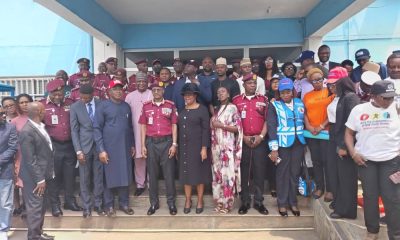
In a bid to enhance road safety and ensure strict compliance with compulsory motor insurance laws, the Federal Road Safety Corps (FRSC) and the National Insurance Commission (NAICOM) have inaugurated a Joint Task Force on Compulsory Third-Party Motor Insurance and the digitalisation of passenger manifest.
The partnership marks a new phase of inter-agency collaboration designed to promote transparency, accountability, and efficiency within Nigeria’s road transport and insurance sectors.
The initiative aims to improve safety, ensure traceability, and integrate the FRSC and NAICOM databases to enable seamless information sharing and enforcement.
Speaking at the inauguration, the Executive Commissioner for Insurance, Mr. Olusegun Omosehin, stated that the collaboration would deliver wide-ranging benefits to Nigerians through effective enforcement, prompt compensation for crash victims, and increased public awareness about insurance obligations and consumer protection.
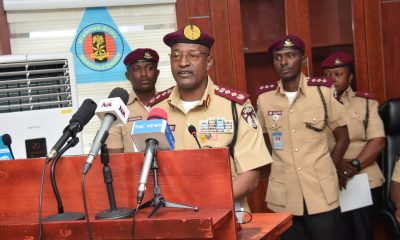
Also speaking, the Corps Marshal of the FRSC, Mallam Shehu Mohammed, reaffirmed the Corps’ commitment to supporting the initiative through technology-driven enforcement, data integration, and field operations.

He described the partnership as “a model of institutional synergy that will not only reduce road crashes but also enhance government capacity to provide immediate financial and medical assistance to crash victims.”
Mallam Mohammed further stressed that the initiative aligns with President Bola Ahmed Tinubu’s Renewed Hope Agenda, which prioritises digital transformation, inter-agency cooperation, and inclusive development across all sectors.
According to him, the FRSC/NAICOM Joint Task Force is expected to significantly reduce the number of uninsured vehicles on Nigerian roads, improve the welfare of road users, and promote a safer, more transparent, and accountable transport system nationwide.