General News
Housing Must Be Seen as Economic Infrastructure, Not Just Shelter – Stakeholders Declare at AIHS 2025 Opening

By Iyojo Ameh
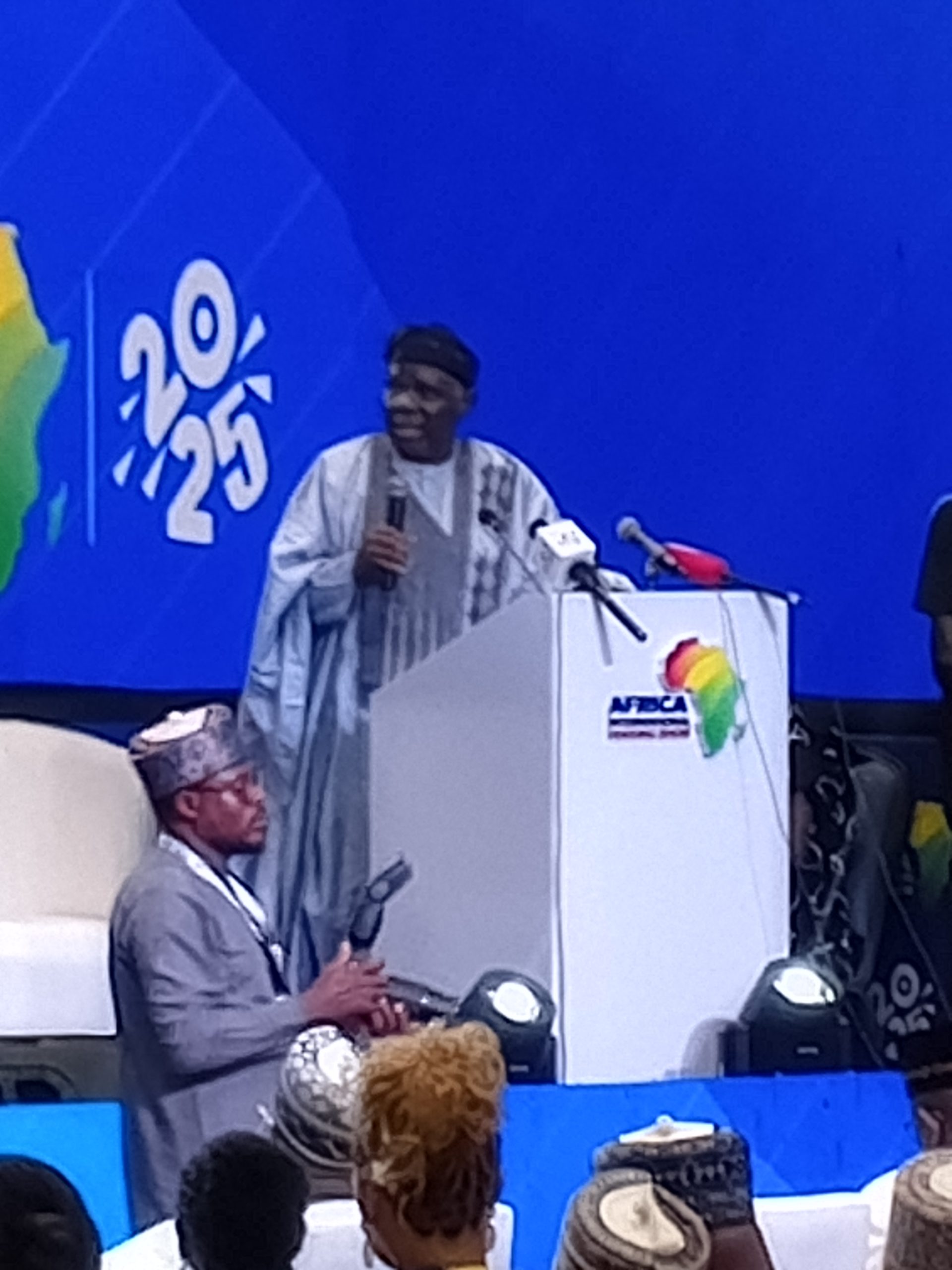
The 19th edition of the Africa International Housing Show (AIHS) opened in Abuja on Monday with a strong call to reposition housing as a critical pillar for economic development, climate resilience, and human welfare across Africa.
Held under the theme “Re-imagining Housing Through Innovation, Collaboration, and Policy,” the opening ceremony brought together stakeholders from across the continent, including housing ministers, lawmakers, development partners, urban planners, private developers, financial institutions, and international agencies.
In a keynote message delivered at the Transcorp Hilton, Abuja, the United Nations Human Settlements Programme (UN-Habitat) warned that the global housing crisis is worsening, with over 2.8 billion people lacking access to safe, affordable housing. Africa, the UN said, is particularly vulnerable due to exploding urban populations and persistent delivery failures.
“This crisis is not just about homes. It is about dignity, rights, and resilience,” the UN-Habitat statement read. “We must reframe housing as a developmental right and a tool for social and climate stability.”
In a powerful data-driven address, Nigeria’s Statistician General revealed that real estate and construction now account for 15.9% of Nigeria’s GDP, outpacing crude oil in national economic contribution. This shift underscores the housing sector’s potential as a job-creating, industry-stimulating engine of growth.
Housing, it was said, is central to the demand for cement, steel, tiles, logistics, and professional services—making it a vital economic multiplier.
The Federal Mortgage Bank of Nigeria (FMBN) used the platform to introduce four new tailored financing schemes aimed at deepening housing access:
Non-Interest Mortgage Loans, Diaspora NHF Mortgage Loans, Rent Assistance Products and Rent-to-Own Schemes.
These are designed to address income disparity, religious banking preferences, and diaspora needs.
The Honourable Minister of Housing and Urban Development, Arc. Ahmed Musa Dangiwa, outlined the federal government’s three-tier housing plan under the Renewed Hope Agenda:
1. Renewed Hope Cities – large-scale housing in 7 states
2. Renewed Hope Estates – mid-scale projects in 30 states
3. Social Housing in LGAs – deeply affordable homes for low-income Nigerians
He also launched the MOFI Real Estate Investment Fund, which will provide long-term housing finance at 12% interest, and announced the formation of State Housing Reform Champions to advise governors and hold state-level roundtables.
“We are pushing for a unified, data-backed, and investment-friendly housing framework nationwide,” Dangiwa said.
The National Bureau of Statistics (NBS) emphasized the urgency of improving housing-specific data, announcing the creation of a National Housing Data Centre Steering Committee and a Policy Coordination and Monitoring Committee to ensure that housing strategies are tracked, consistent, and evidence-based.
The Parliament of Ghana called for climate-smart housing policies in response to rising sea levels, urban flooding, and environmental degradation. The need for inter-country collaboration and legislative diplomacy was stressed.
Nigeria’s former Head of State, General Yakubu Gowon, also weighed in, linking housing to health, education, and national productivity, urging a holistic approach to development.