
International
King Charles’ barefoot mosque visit highlights respect, unity and interfaith diplomacy.

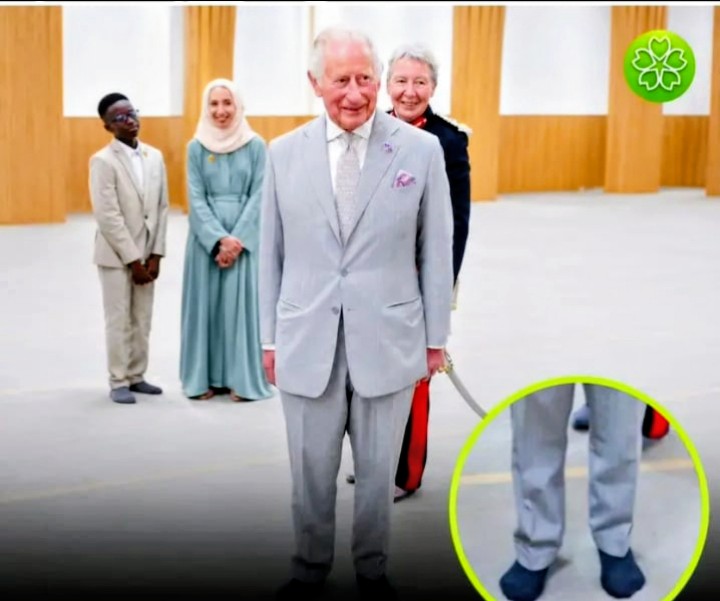
A simple act of respect by King Charles III has been presented as a powerful example of interfaith diplomacy and peaceful coexistence. During a visit to Cambridge Central Mosque, Europe’s first Eco-Mosque, the British monarch removed his shoes before entering the prayer hall, interacted warmly with schoolchildren, and praised the mosque’s environmentally friendly architecture.
The visit took place on the same day the King carried out one of his key constitutional duties by accepting the resignation of Prime Minister Keir Starmer and inviting Andy Burnham to form a new government. The coincidence of both events underscored the enduring importance of dialogue, mutual respect and peaceful coexistence, even as political leadership changes.
According to Abdulkarim Abdulmalik, the visit demonstrates the growing role of interfaith diplomacy in building trust among communities and nations. He noted that respect for religious traditions helps bridge divisions in a world where many conflicts carry religious dimensions despite often being rooted in political or economic issues. King Charles, he said, has consistently promoted understanding among Christianity, Islam, Judaism, Hinduism, Sikhism, Buddhism and other faiths, viewing religious diversity as a national strength.
The article explains that removing shoes before entering a mosque is a sign of cleanliness, humility and reverence in Islam. When non-Muslims observe the tradition, it reflects respect without compromising their own beliefs. It adds that interfaith diplomacy is not about abandoning religious convictions but about recognising the dignity of others and supporting their freedom to worship according to their conscience.
The Cambridge Central Mosque also represents another important aspect of modern diplomacy. As Europe’s first Eco-Mosque, it combines Islamic architectural heritage with environmental sustainability through the use of renewable technologies and sustainable building materials. The article notes that environmental stewardship has become an area where people of different faiths can work together to address global challenges such as climate change, poverty, migration and humanitarian crises.
King Charles’ engagement with schoolchildren during the visit was equally significant. The article says young people learn valuable lessons about citizenship, tolerance and diversity when they see leaders treating people of different faiths with respect. It stresses that education remains one of the strongest tools for combating prejudice and promoting understanding.
The timing of the visit also highlighted the continuity of constitutional values beyond political transitions. While governments may change through democratic processes, the article argues that national unity depends on institutions that embrace citizens regardless of religious identity.
Drawing lessons for countries such as Nigeria, the writer says interfaith diplomacy often begins with simple acts of courtesy, including visits to one another’s places of worship and respectful dialogue. Such actions, the article notes, strengthen national unity rather than weaken it.
The piece further urges religious leaders to use their influence to promote reconciliation instead of division, while calling on the media to give greater attention to stories of cooperation and mutual respect rather than focusing only on religious conflicts.
Concluding the article, Abdulmalik states that diplomacy is built not only on negotiations but also on meaningful symbols. He argues that King Charles’ barefoot walk through Cambridge Central Mosque reflects humility, empathy and respect for another faith, demonstrating that peaceful coexistence grows through everyday acts of understanding. He concludes that the future of peaceful societies depends not only on political agreements but also on the willingness of people of different faiths to walk together in mutual respect.