
News
Nigeria in the Shadow of Fascism: Opposition Collapse and the Erosion of Democracy

By Sam Agogo
Fascism is a word that carries heavy historical weight. It is not simply a label for authoritarian behavior, but a system of governance that emerged in Europe in the early 20th century, most notably under Benito Mussolini in Italy and Adolf Hitler in Germany. At its core, fascism is defined by the concentration of power in the hands of a ruling elite, the suppression of dissent, the weakening of democratic institutions, and the creation of a political culture where loyalty to the ruling power is rewarded while independence is punished. In fascist regimes, elections may still be held, but they are stripped of meaning, serving as rituals rather than genuine contests of ideas. Opposition parties exist only in name, unable to challenge authority in any substantive way.
Nigeria is not a fascist state. It remains constitutionally democratic, with multiple parties legally recognized and elections regularly conducted. Yet, the warning signs of democratic backsliding are becoming increasingly visible. The health of Nigeria’s opposition space is under strain, and this raises troubling questions about the resilience of its democratic foundations.

The Peoples Democratic Party, once Nigeria’s dominant political force, has been weakened by internal disputes, leadership struggles, and waves of defections. Its ability to act as a counterbalance to the ruling party has been severely diminished. The Labour Party, which rose to prominence through youth-driven enthusiasm and grassroots mobilization, now faces internal divisions and organizational fragility that threaten its sustainability. Smaller parties such as the African Democratic Congress are similarly plagued by fragmentation and lack of cohesion.
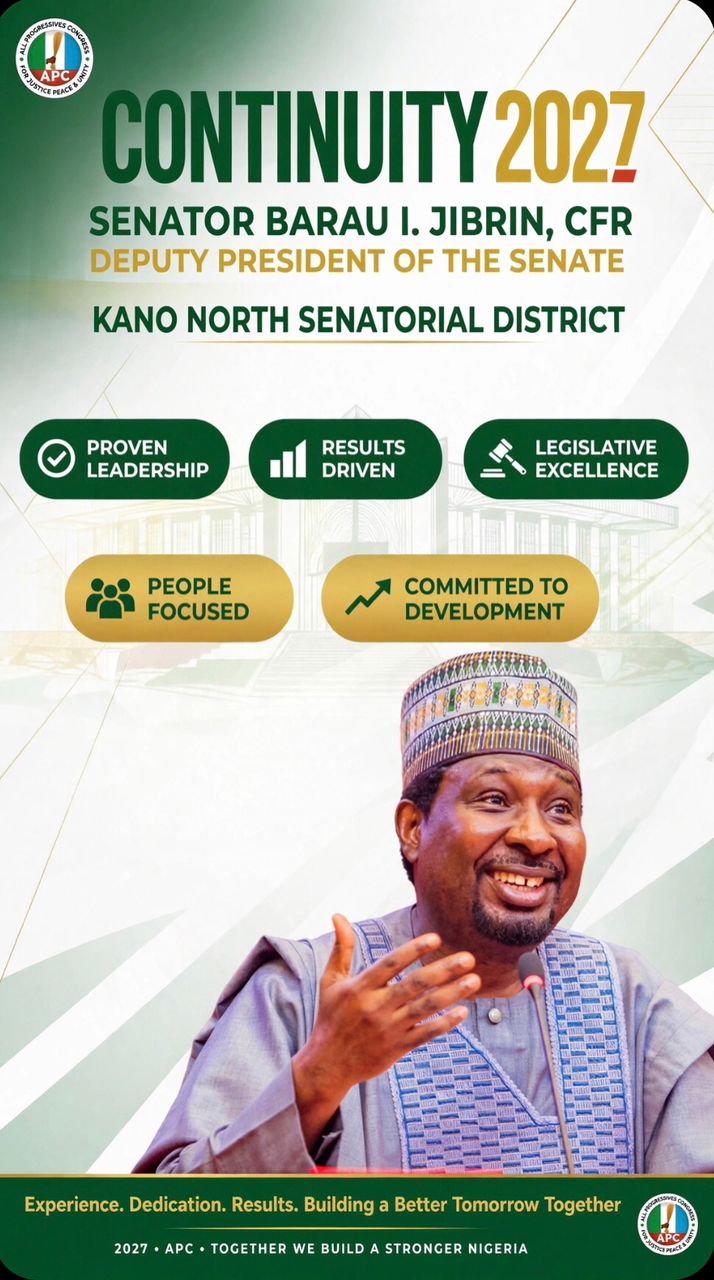
Meanwhile, the ruling All Progressives Congress continues to consolidate power, often absorbing defectors from opposition parties. This trend reinforces the perception of a hegemonic party system—where one party dominates so thoroughly that opposition exists more in form than in function. Such developments mirror what political scientists describe as democratic backsliding: the slow erosion of democratic norms, institutions, and competitive politics.
The implications of this trajectory are profound. Without strong opposition, accountability weakens, corruption thrives, and governance suffers. Institutions risk becoming extensions of ruling power rather than independent guardians of democracy. Public debate narrows, depriving citizens of alternative visions for society. Voter apathy grows as people lose faith in the democratic process, and the nation drifts closer to authoritarianism.
The disadvantages of a shrinking opposition space are clear. A democracy without strong opposition loses its ability to check power, to foster debate, and to protect freedoms. It becomes vulnerable to abuse, conformity, and the gradual hollowing out of its institutions. History shows that democracies rarely collapse overnight; they erode gradually, often unnoticed until freedoms are lost. The danger lies not in dramatic coups or sudden collapses, but in the slow weakening of democratic culture, where opposition is silenced, institutions are compromised, and citizens stop demanding accountability.
Nigeria’s democracy is at a crossroads. Its survival depends not only on those in power but also on opposition parties that must rebuild unity and credibility, institutions that must remain neutral, and citizens who must demand accountability. The ruling party must recognize that democracy is not strengthened by dominance but by competition, fairness, and tolerance of dissent. Opposition parties must rise above internal divisions and present themselves as credible alternatives. Citizens must resist apathy and continue to demand transparency, fairness, and accountability from those who govern.
The lesson from history is clear: democracies do not die in dramatic fashion; they fade when opposition is silenced, institutions are compromised, and citizens stop demanding accountability. Nigeria is not fascist, but the warning signs of democratic erosion are real. The true test of leadership is not how firmly it controls, but how strong a democratic system it leaves behind.
The challenge before Nigeria is urgent: to protect the opposition space, strengthen institutions, and ensure that democracy remains more than a ritual. It must remain a living system of accountability, debate, and freedom. If Nigeria fails to act, it risks sliding into a political culture where elections exist without meaning, opposition exists without strength, and democracy exists without substance. That is the danger of fascist tendencies creeping into democratic systems—not through sudden collapse, but through gradual erosion.
Nigeria’s future depends on whether it can resist this drift and recommit to the principles of democracy: strong opposition, independent institutions, and a citizenry that refuses to surrender its voice. Only then can the nation safeguard its democratic foundations and ensure that its political culture remains vibrant, competitive, and free.
For comments, reflections, and further conversation:
Email: samuelagogo4one@yahoo.com
Phone: +2348055847364