General News
Nigeria Unveils $50bn Lake Chad Revival Plan, Seeks Fresh Push to Stabilise Sahel

By Iyojo Ameh
Nigeria has announced plans to mobilise more than $50 billion for the revival of Lake Chad, as part of an ambitious regional strategy to confront insecurity, poverty, climate change and economic hardship across the Sahel.

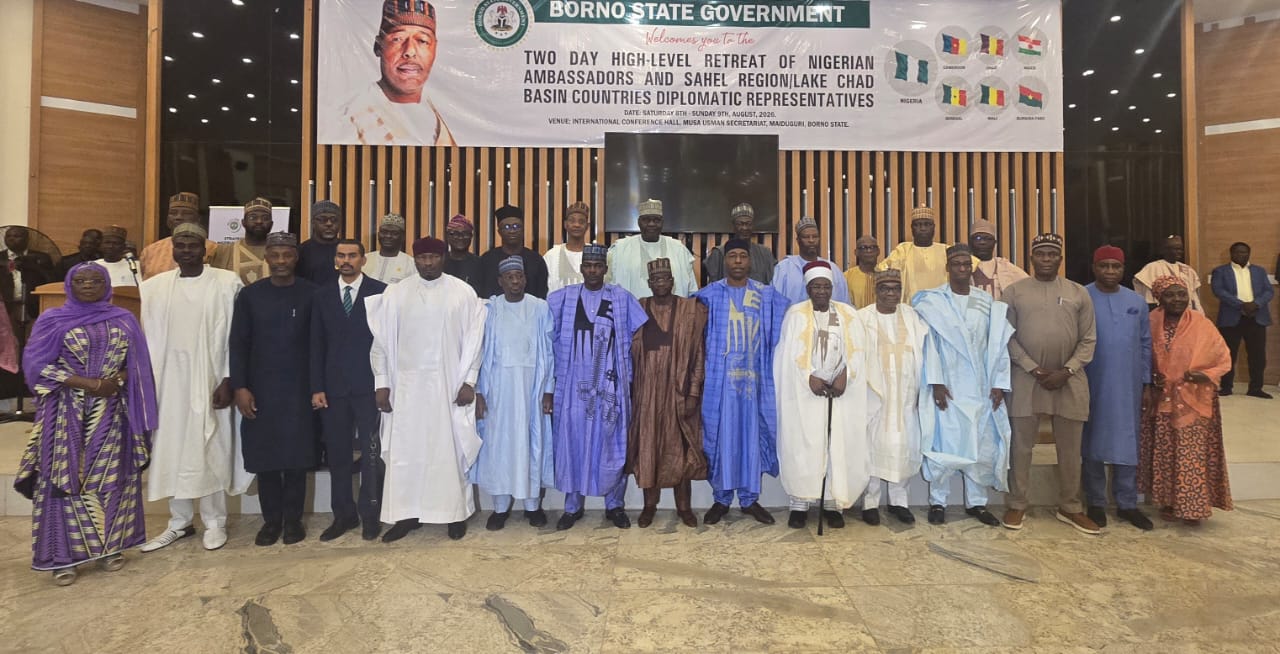
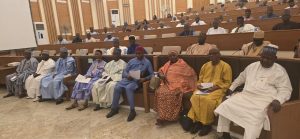
The proposal was made in Maiduguri at a high-level retreat of Nigerian ambassadors and diplomatic representatives covering the Sahel and Lake Chad region.

Minister of State for Foreign Affairs, Ambassador Sola Enikanolaiye, said Nigeria must adopt a new approach to the challenges confronting the Sahel, arguing that instability in neighbouring countries directly affects Nigeria’s security, economy and humanitarian situation.
He called for stronger diplomatic engagement with Nigeria’s neighbours, including renewed efforts to rebuild political and diplomatic relations with Burkina Faso, Mali and Niger, the three countries that make up the Alliance of Sahel States.
‘Development Must Replace Crisis Management’

Enikanolaiye proposed the establishment of a Sahel Development Compact to shift regional policy from emergency response and crisis management towards sustainable development.
The proposed compact would prioritise agriculture, infrastructure, trade, energy, education, climate resilience and human capital development.
At the centre of the proposal is the revival of Lake Chad, which the minister described as critical to the survival and economic wellbeing of communities across the basin.
He said the project would require over $50 billion, underscoring the enormous financial commitment needed to restore the lake and develop the surrounding region.
Nigeria Wants Stronger Regional Security
Nigeria is also seeking renewed commitment to the Multinational Joint Task Force (MNJTF), which brings together countries in the Lake Chad Basin to combat terrorism and other security threats.
The country is further proposing a Maiduguri Roadmap to strengthen political dialogue, security cooperation, economic integration and humanitarian coordination among neighbouring states.
Permanent Secretary of the Ministry of Foreign Affairs, Dunoma Umar Ahmed, described Maiduguri’s recovery from conflict as evidence of the resilience of the people of the region.
He said the city’s transformation provided an appropriate backdrop for discussions on a new direction for regional cooperation.
Nigeria Links Security to Development
The retreat is examining security and intelligence sharing, trade and infrastructure, agriculture and food security, climate resilience, humanitarian assistance, youth empowerment and diplomatic relations.
The discussions are taking place against the backdrop of persistent terrorism, organised crime, irregular migration, climate change and food insecurity across the Sahel.
Nigeria’s latest initiative reflects a growing push to complement military action with diplomacy and economic development.
The government believes that lasting peace in the Lake Chad Basin and the wider Sahel will depend not only on defeating armed groups but also on restoring livelihoods, creating economic opportunities and strengthening cooperation among neighbouring countries.