
Agriculture
Nigeria’s Dairy Future Depends on Women, Innovation and Investment – Prof. Jega

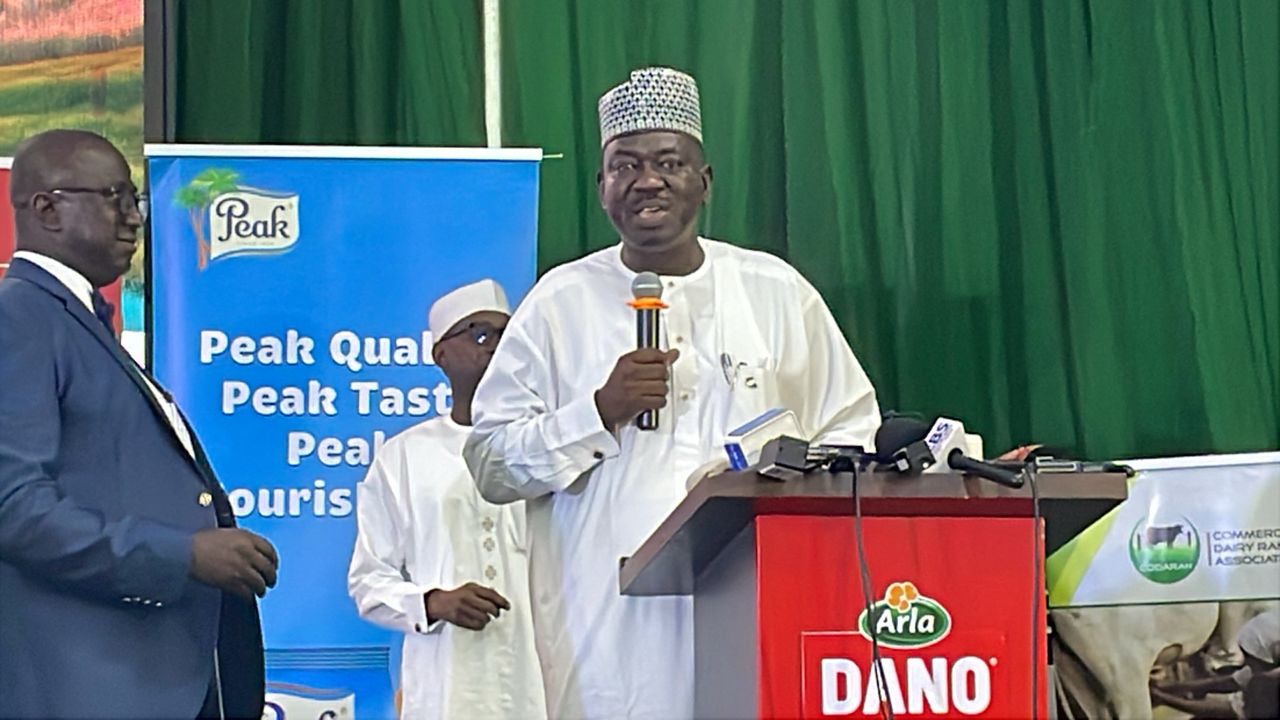
PROF. ATTAHIRU M. JEGA, Special Adviser to the President on Livestock Development and Co-Chairman of the Presidential Livestock Reforms Implementation Committee (PLRIC), made this assertion during the 2026 World Milk Day Celebration.
Represented by Professor Demo Kala, a member of the Presidential Livestock Reforms Implementation Committee and Director of the TETFund Dairy Research and Development Centre at Abubakar Tafawa Balewa University, Bauchi, Prof. Jega described the event as timely given the critical importance of milk to both humans and animals.
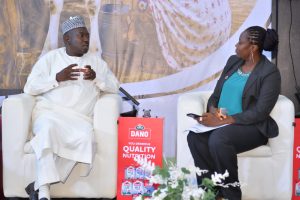
professor Demo kalla who was also a panelist at the world milk day celebration noted thus:

“I am delighted to join stakeholders across Nigeria and members of the global dairy community in commemorating World Milk Day 2026,” he said.
According to him, this year’s theme, “Celebrating Women Dairy Farmers: Promoting Fresh Milk Consumption for a Healthy Nation,” is both timely and significant.
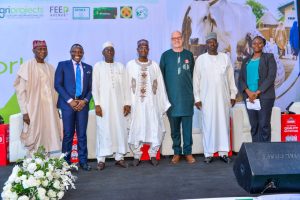
L-R; Hon.Adamu Mammagi Abdullahi
Hon. Commissioner of Livestock Development Niger State ,Mr Brighton Ochieng ,Chief Technical Officer,Promasidor Nigeria,Dr Ishaq Bello SA to Hon Minister ,FMLD
HM – FMLD ,Hon Idi Maiha,Mr Snorri Sigurdsson, Head of Raw Milk Production ,Arla Foods Nigeria,Prof Demo KALLA- a leading Dairy Expert a member of the Presidential Livestock reforms Implementation committee, a member of National Dairy Policy Drafting committee and Ag.Director TETFUND Centre of Excellence on Dairy Research and Develoment, at Abubakar Tafawa Balewa University Bauchi, Rita Ene Okwanihe Voice of Nigeria, Anchor.
Professor Kala emphasized the vital role women play in milk production around the world, noting that World Milk Day recognizes the important contributions women make to dairy production, household nutrition, rural livelihoods, and community resilience.
“Across Nigeria, women are actively involved in milk production, processing, marketing, and value addition, making invaluable contributions to food security and economic development,” he stated.
He further noted that the celebration coincides with the United Nations’ designation of 2026 as the International Year of the Woman Farmer (IYWF 2026).
“As we celebrate World Milk Day 2026, it is especially fitting that the United Nations has designated 2026 as the International Year of the Woman Farmer (IYWF 2026). This global recognition highlights the indispensable contributions of women to agrifood systems, food security, nutrition, and economic growth,” he said.
Professor Kala stressed the need for Nigeria’s dairy sector to empower women dairy farmers by improving access to productive assets, finance, technology, skills development, markets, and leadership opportunities.



He explained that under the leadership of President Bola Ahmed Tinubu, GCFR, ongoing livestock reforms have positioned dairy development as a key component of efforts to transform Nigeria’s livestock economy.
“Dairy development is not merely an agricultural activity; it is a strategic economic enterprise capable of creating jobs, improving nutrition, stimulating rural industrialization, reducing import dependence, conserving foreign exchange, and enhancing national prosperity. Dairy Development: It is our prosperous future,” he said.
He also described the promotion of fresh milk consumption as both a public health and economic necessity.
“Every litre of locally produced and consumed milk strengthens domestic value chains, creates opportunities for farmers and processors, improves household incomes, and contributes to national food and nutrition security,” he stated.

According to him, increased consumption of fresh milk would encourage greater investment in milk production, processing infrastructure, feed and fodder resources, animal health services, and broader dairy value chain development.
Professor Kala noted that the Presidential Livestock Reforms Implementation Committee remains committed to creating an enabling environment for sustainable dairy development through policy reforms, investment promotion, breed improvement, pasture and feed resource development, promotion of the One Health approach, infrastructure expansion, and stronger public-private partnerships.
“We are particularly dedicated to ensuring that women and youth are fully integrated into the emerging opportunities within the dairy value chain. Achieving self-sufficiency in milk and dairy products will require coordinated investments, innovation, and inclusive participation across the entire value chain,” he said.
He therefore called on state governments, development partners, financial institutions, research organizations, dairy processors, producer associations, and private investors to collaborate in mainstreaming dairy development at the sub-national level.
“Together, we can build a vibrant, competitive, and sustainable dairy industry that creates wealth and employment opportunities for our people and contributes significantly to the realization of Nigeria’s food security and economic transformation objectives—simply, a dairy subsector that delivers nutritious fresh milk for a healthier and more prosperous Nigeria.”
He concluded by wishing stakeholders a successful World Milk Day 2026 celebration. “Happy World Milk Day 2026,” he said.