International
Pan-African Parliament Adopts Landmark Model Laws on Labour Migration and Gender Equality in Africa

By Iyojo Ameh
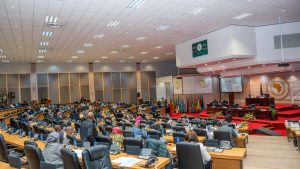
The Pan-African Parliament (PAP) has achieved a major milestone with the adoption of two landmark Model Laws, the Model Law on Labour Migration in Africa and the Model Law on Gender Equality and Equity during the Sixth Ordinary Session of its Sixth Parliament.
The development is a historic step in PAP’s mandate to harmonise legal standards across African Union (AU) Member States. The adoption follows years of extensive consultations with stakeholders across the continent to ensure that the aspirations of African citizens are reflected in the legal frameworks.
The Model Law on Labour Migration in Africa provides AU Member States with a comprehensive legal and policy framework to guide national legislation, subordinate laws, and international agreements governing labour migration in an effective, harmonized, and coordinated manner.
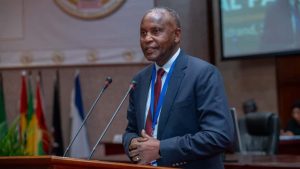
Hon. Senator John Bonds Bideri of Rwanda, Chairperson of the PAP Committee on Trade, Customs and Immigration Matters, described the law as “a strategic framework to harmonise labour migration policies across Member States and align them with the objectives of the African Continental Free Trade Area (AfCFTA).”
He explained that labour migration is central to Africa’s socio-economic transformation, as millions move across borders in search of decent work. However, fragmented national laws and inconsistent protections continue to expose migrant workers to exploitation, discrimination, xenophobia, and limited access to justice.
The Pan-African Parliament resolved in November 2022 to formulate a continental Model Law on Labour Migration under its harmonisation mandate in line with Article 17 of the AU Constitutive Act and Article 11 of the PAP Protocol.
The draft law was developed through a consultative and evidence-based process led by PAP’s Committee on Trade, Customs and Immigration Matters in collaboration with key partners, including the International Labour Organization (ILO), International Organization for Migration (IOM), African Union Commission (AUC), GIZ, Regional Economic Communities (RECs), civil society organisations, national parliaments, and African legal experts.
The law aligns with major AU and international instruments such as:
– The African Charter on Human and Peoples’ Rights
– The Protocol on Free Movement of Persons
– The AfCFTA Agreement
– The Migration Policy Framework for Africa
The Model Law aims to establish a harmonized, human-rights-based legal framework for labour mobility in Africa. Its key objectives include:
1. Guaranteeing migrant workers labour and social rights comparable to nationals.
2. Promoting safe, regular, and orderly migration.
3. Enabling portability of social security and employment benefits across borders.
4. Eliminating exploitation and abusive recruitment practices.
5. Strengthening bilateral and multilateral cooperation on migration governance.
6. Positioning labour mobility as a driver of Agenda 2063 goals on inclusive growth, human capital development, and regional integration.
Mr. Alexio Musindo, ILO Director for Eastern and Southern Africa, underscored the importance of implementation, saying: “By improving skills portability and recognising qualifications across borders, Africa can turn brain drain into brain gain — ensuring young people and skilled workers contribute to development wherever they work.”
Hon. Bideri recommended that the plenary:
– Approve the Draft Model Law on Labour Migration in Africa as an official PAP legislative instrument;
– Transmit it to the AU and Member States for national adaptation;
– Sustain collaboration with the AUC, ILO, IOM, and other partners to support domestication and awareness; and
– Mandate PAP national delegations to champion the law’s adoption in their respective parliaments.
He expressed appreciation to PAP leadership, partners, civil society, academia, and especially the ILO for its technical and material support in developing the law.
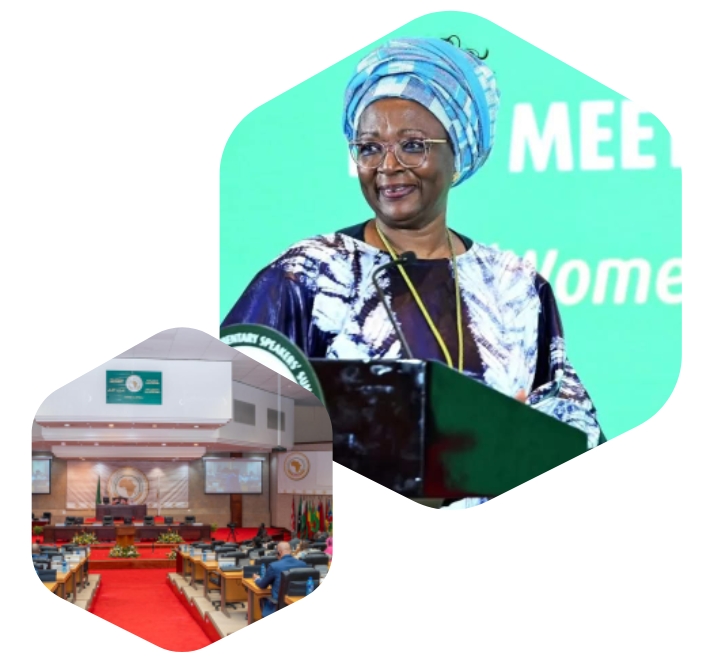
Presenting the Model Law on Gender Equality and Equity, Hon. Khadija Arouhal, Deputy Chairperson of the Committee on Gender, Family, Youth, and People with Disabilities, reaffirmed PAP’s dedication to gender justice and social inclusion.
She described the law as “a strategic necessity offering a common, adaptable, and progressive reference framework, aligned with international standards and grounded in African values and cultures.”
The Model Law serves as a soft-law instrument designed to help AU Member States strengthen their legal, institutional, and regulatory frameworks on gender equality and equity in line with global and continental instruments and commitments.
The adoption of both Model Laws is widely seen as a landmark achievement for the Pan-African Parliament and a testament to Africa’s collective resolve to advance human rights, inclusive development, and regional integration under the AU’s Agenda 2063: The Africa We Want.
#LabourMigration #GenderEquality #PanAfricanParliament #Agenda2063 #OneAfricaOneVoice #FreeMovement #SocialJustice