
Agriculture
Veterinarians Reclaim Spotlight in National Food System — NVMA Unveils Livestock Development Blueprint Congress Approves ₦200,000 Minimum Wage, Launches Think Tank for Sector Transformation

By our Correspondent
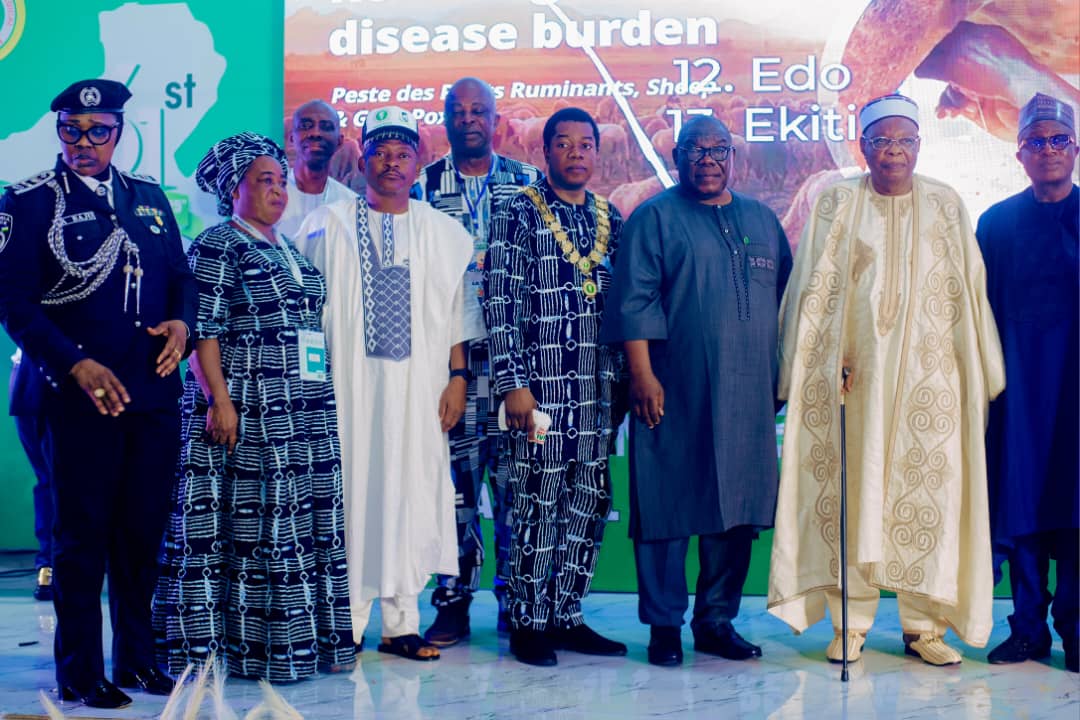
Nigeria’s Veterinarians have taken decisive steps to reaffirm their leadership in national health and food systems as the Nigerian Veterinary Medical Association (NVMA) concluded its 61st Annual National Congress and Annual General Meeting (AGM) in Jalingo, Taraba State.
The congress produced far-reaching resolutions aimed at reforming animal health governance, improving food safety, and strengthening professional standards across the country.
Held over three days at the Crest Resort, Jalingo, and themed “Animal Health, Food Safety and Security: Ensuring a Healthy and Productive Nigeria,” the event gathered hundreds of delegates including veterinary professionals, researchers, policymakers, private sector representatives, and students to redefine the future of livestock management and public health.
Tagged “Nature’s Gift 2025,” the congress emphasized innovation, collaboration, and renewed national commitment to food system transformation.
A key highlight of the event was the approval of a ₦200,000 minimum salary for new entrant veterinarians working in private hospitals and clinics nationwide — a move widely described as a milestone for professional equity.
NVMA President, Dr. Moses Arokoyo, who presented the major policy proposals, said the new wage structure represents “a step toward restoring the dignity of veterinary practice and ensuring professional welfare aligns with national standards.”
He expressed concern over the underutilization of Nigeria’s vast livestock potential — estimated at over 400 million animals — due to inadequate veterinary coverage at the grassroots level, noting that many Local Government Areas still lack resident veterinarians.
“Animal health is the foundation of food security and public health. Yet, we are losing billions to preventable diseases,” Dr. Arokoyo stated. “If properly harnessed, veterinary services can generate huge GDP returns and create sustainable livelihoods in rural areas.”
He further urged the Federal Government to implement the 65-year retirement age for all healthcare professionals, including veterinarians, and called on states to domesticate the new Federal Ministry of Livestock Development (FMLD) to enhance livestock governance nationwide.
Dr. Arokoyo also appealed for a state of emergency on abattoirs, insisting that all slaughter operations must be conducted under proper veterinary supervision to safeguard public health.
Delivering the keynote address on behalf of Governor Mohammed Umar Bago of Niger State, Dr. Jonathan Wasa, Permanent Secretary of the Ministry of Livestock and Fisheries, emphasized the inseparable connection between animal health, food safety, and economic resilience.
He highlighted Niger State’s progress in livestock transformation — including the employment of 21 veterinarians and 27 technologists, the introduction of the Pasture and Grazing Reserve Development Programme, and the launch of the Veterinary Inspection Permit and Trade Animal Movement Security (VIPTAMS) system to enhance disease traceability and livestock movement control.
“Healthy animals mean healthy people and a healthy economy,” Governor Bago noted through his representative. “Our aim is to integrate animal, human, and environmental health — the true essence of the One Health approach.”
He encouraged veterinarians to take up leadership roles in policy, governance, and investment, stressing that the profession has “the expertise and credibility to drive sustainable growth in agriculture and food security.”
The Congress also inaugurated a 33-member NVMA Think Tank to design a strategic roadmap for the veterinary profession’s future, covering education, research, regulation, and global partnerships.
Another major highlight was the unveiling of the NVMA Lapel Pin, symbolizing the Association’s renewed identity and commitment under the slogan: “Veterinarians: Safeguarding Animal and Public Health.”
Technical sessions focused on Foot and Mouth Disease (FMD), scaling up ruminant vaccination through the GALVmed VITAL 2 Project, Antimicrobial Resistance (AMR), and Zoonotic disease surveillance — all critical threats to food production and human well-being.
Key recommendations from the deliberations included:
Regular vaccination using locally adapted, high-quality vaccines
Rapid disease detection and containment responses
Strict livestock movement control during outbreaks
Improved farm biosecurity and public education
Stronger surveillance systems and regional coordination
Regulation of antimicrobial use and enhanced farmer sensitization
Delegates unanimously endorsed the One Health framework, promoting the integration of veterinary, medical, and environmental health systems in disease prevention and control.
At the close of the congress, the NVMA reaffirmed its commitment to making veterinary medicine a cornerstone of national development.
In a communiqué signed by Dr. Grace Sabo Nok (Chairman), Dr. Abdulkadeer Umar Baba (Secretary), and Dr. James Clinton Shawulu (Member), the Association pledged to advance policies ensuring safe food, healthy animals, and a resilient economy.
> “We move forward united in purpose, driven by science, and committed to a healthier, safer, and more productive Nigeria,” the communiqué concluded.
From the spirited deliberations in Jalingo, one message was unmistakable — Nigeria’s veterinarians are stepping up as the nation’s first line of defense for health, food security, and sustainable growth.

