
News
Debt Trap: How Loan Apps and Banks Push Borrowers to the Edge

By Sam Agogo
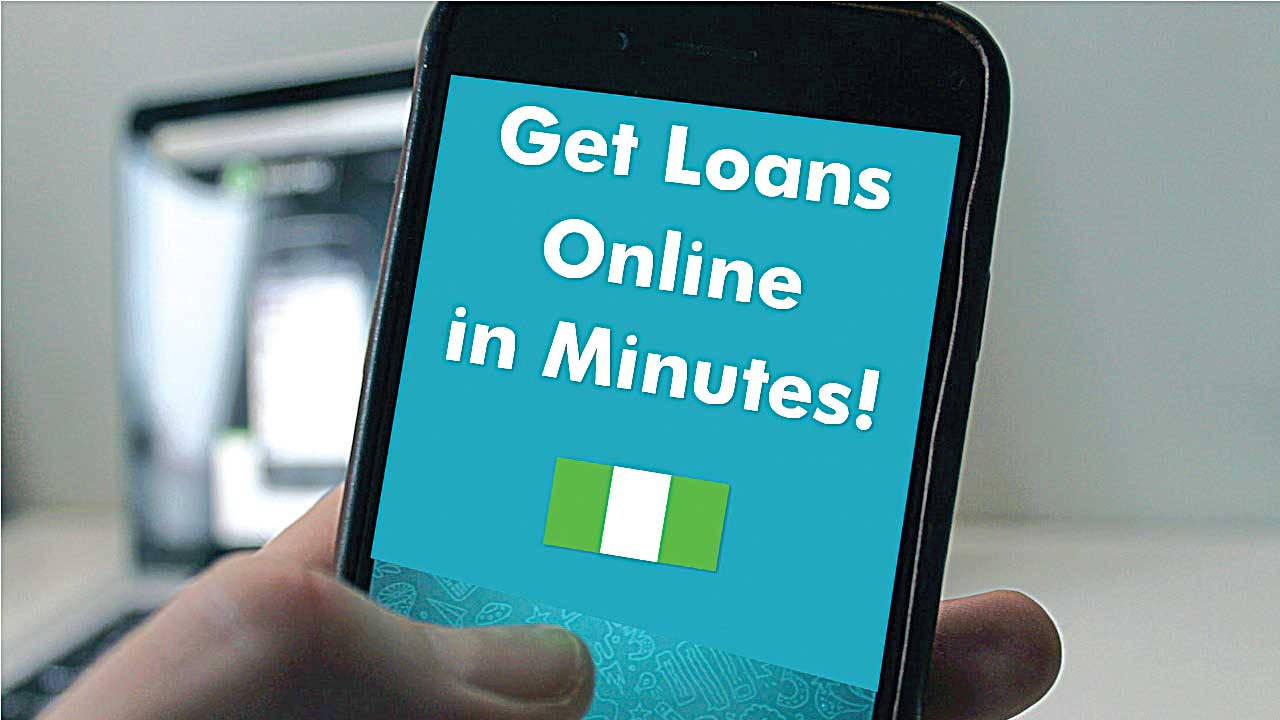
In Nigeria, borrowing has become both a lifeline and a curse. Loan apps and banks present themselves as partners in progress, offering quick cash and polite assurances. Bankers often approach clients with courtesy, sometimes even pleading with them to accept loans. Loan apps advertise convenience, promising instant approval with just a few clicks. For many struggling families and entrepreneurs, these offers seem like salvation.
But beneath the surface lies a dangerous trap. Loan apps are notorious for accessing borrowers’ phone contacts. When repayment falters, they begin calling friends, relatives, and colleagues, shaming the borrower with insults and threats. Victims have reported being branded “criminals” or “fraudsters” in mass text messages sent to their entire contact list. The humiliation is crushing, and in several tragic cases, borrowers have taken their own lives under the weight of this harassment.

Banks, though more formal, can be equally ruthless. The Central Bank of Nigeria introduced the Global Standing Instruction policy, which allows banks to seize funds from defaulters’ accounts across all banks. This means if you default in one bank, they can legally withdraw money from any other account you hold in Nigeria. Legal experts note that lenders can enforce repayment through collateral seizure, statutory provisions, and court orders, often resulting in repossession of homes, businesses, or other assets. There are reports of banks attempting to repossess items belonging to spouses or relatives in their bid to recover debts.
One widely shared case involves a man who owned a large factory. He borrowed heavily to expand his business, but repayment became a struggle. The bank attempted to seize his company, and the constant harassment nearly drove him to suicide. Though he eventually repaid the loan, he later discovered he had overpaid billions due to hidden deductions buried in the repayment terms. His story is not unique—many borrowers have found themselves trapped in cycles of debt, paying far more than they originally borrowed.
The human cost of these practices is staggering. Families lose homes and businesses, reputations are destroyed through public shaming, and mental health suffers under relentless pressure. Suicide cases linked to loan harassment have become a growing concern, with advocacy groups calling for stricter regulation of digital lenders and more transparency in banking practices.

Loans themselves are not inherently bad. They can empower businesses, fund education, and provide relief in emergencies. But in Nigeria’s current lending environment, the risks often outweigh the benefits. Borrowers must be cautious, and where possible, avoid loans altogether. Safer alternatives include cooperative societies, family support, or gradual savings. If borrowing is unavoidable, experts advise consulting a lawyer before signing any agreement, reading the terms carefully, and choosing trusted institutions.
Financial assistance should empower, not destroy. Yet for too many Nigerians, loans have become a path to despair rather than opportunity. Until regulators enforce stricter rules and lenders adopt humane practices, the debt trap will continue to push borrowers to the edge. If you have an option, avoid loans altogether. Financial assistance should never come at the cost of human dignity or life.
For comments, reflections, and further conversation:
Email: samuelagogo4one@yahoo.com
Phone: +2348055847364