General News
African Unity Begins With Strong Families, South African Envoy Tells Leaders

By Iyojo Ameh
The Deputy High Commissioner of South Africa, Lindi Mminele, has urged African governments to prioritise family welfare in their development policies, describing strong families and communities as the foundation for continental unity, regional integration and sustainable development.
Mminele made the call in Abuja while speaking on behalf of the Southern African Development Community (SADC) Group of Ambassadors at the SADC Day celebration.

She stressed that Africa’s quest for a united and prosperous continent must translate into tangible improvements in the lives of its people, particularly at the family and community levels.
“Families are the foundation from which we will build the Africa we want,” she said.
The envoy emphasised that regional development frameworks, including the SADC Integrated Strategic Development Plan and Vision 2050, must deliver measurable benefits to ordinary citizens rather than remain policy documents without meaningful impact.
According to her, the success of regional integration should be assessed by how effectively development initiatives improve the living conditions of families across member states.
She added that strong regional blocs depend on stable and economically viable countries, while the strength of individual countries rests on the wellbeing of their citizens.
Mminele therefore called on governments and development stakeholders to place families at the centre of policymaking, noting that development programmes must produce practical outcomes for households.
Nigeria’s Contribution to Southern African Liberation
The South African envoy also acknowledged Nigeria’s historical support for the liberation struggles of Southern African countries, describing its solidarity as an important foundation of relations between the two regions.
She said Nigeria’s contributions to the struggles against colonialism and apartheid had helped strengthen the longstanding relationship between the country and Southern Africa.
Mminele expressed confidence that the historical ties would continue to support cooperation and a shared development agenda between Nigeria and the region.
Eight SADC Member States Represented in Nigeria
Mminele disclosed that the Southern African Development Community comprises 16 member states, eight of which are represented in Nigeria.
The countries are Angola, Botswana, the Democratic Republic of the Congo, Namibia, Tanzania, South Africa, Zambia and Zimbabwe.
She explained that the SADC Group of Ambassadors operates a rotating leadership system, with South Africa currently serving as chair, Zambia as incoming chair and Zimbabwe as outgoing chair. Zimbabwe also serves as dean of the diplomatic group.
According to her, SADC Day, observed annually on August 17, provides an opportunity for member states to reflect on their shared identity, strengthen regional solidarity and renew their commitment to integration and development.
‘Africa Is One Big Family’
Further underscoring the need for closer ties among African countries, Mminele said shared borders, languages, cultural practices, traditions and intermarriage demonstrate the deep connections among the continent’s people.
She urged African countries to build on these common bonds by deepening cooperation and implementing development initiatives that improve citizens’ welfare.
The envoy maintained that regional integration should extend beyond diplomatic agreements and government-to-government relations to deliver meaningful benefits to people and communities.
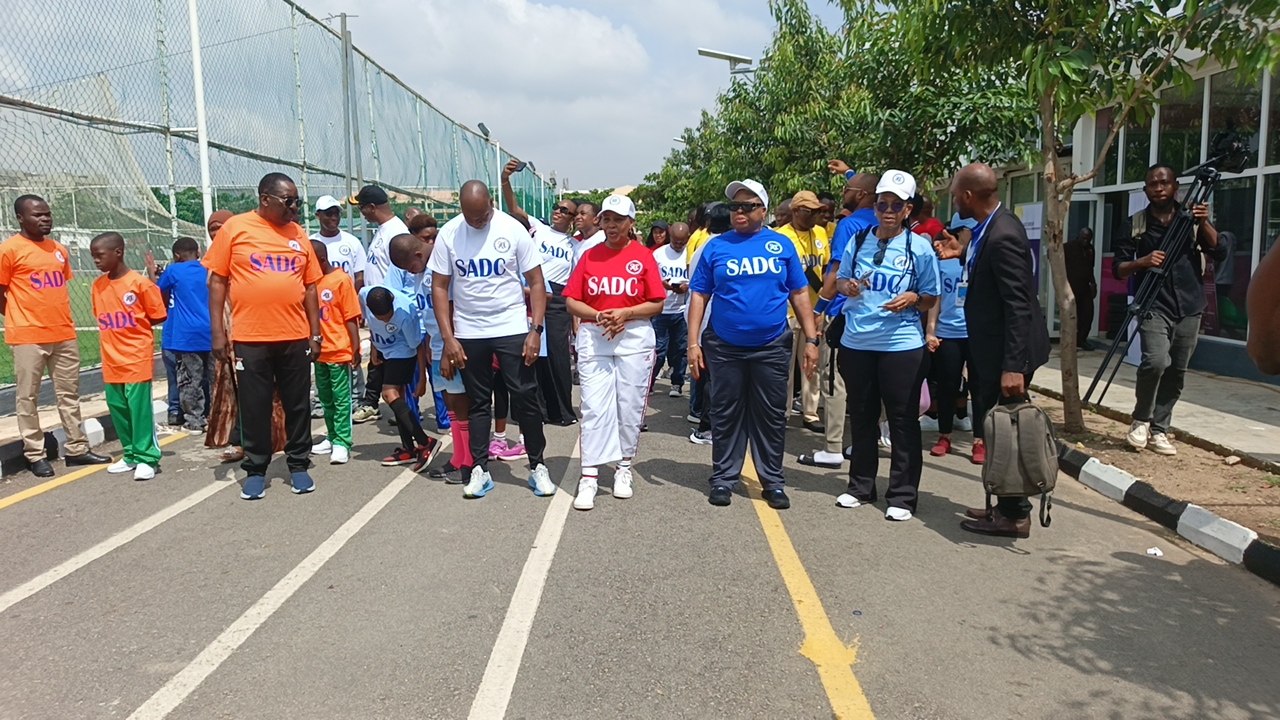
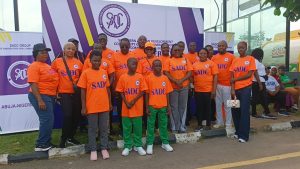
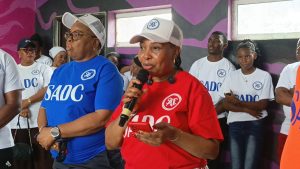
The SADC Day celebration featured a walkathon, football, table tennis, indoor games and other recreational activities aimed at promoting interaction and camaraderie among members of the diplomatic community and other participants.
Mminele formally declared the event open, inviting participants to join the activities.
The celebration highlighted the importance of people-centred development, with the message that sustainable African unity depends not only on cooperation among governments but also on strong families, thriving communities and improved living standards across the continent.