
News
Death as Content: How Mourning Lost Its Sacredness in the Age of Social Media

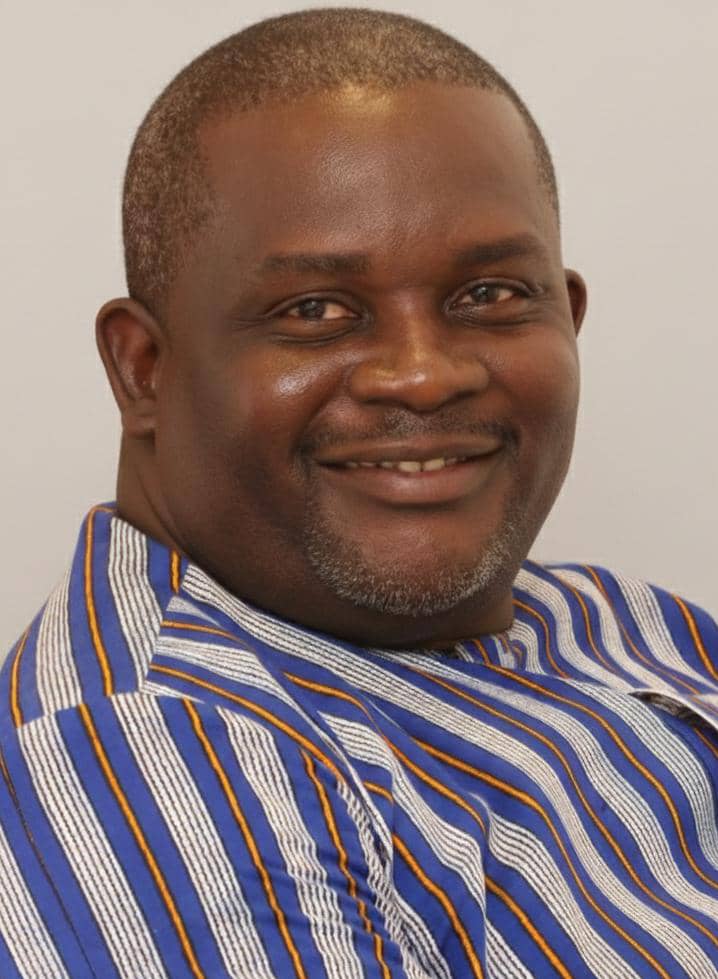
By Sam Agogo
There was a time when the mention of death carried a silence so profound it seemed to still the air itself. The passing of a loved one was not just news; it was a tremor that shook the soul, a shadow that fell across entire households. Nights became restless, hearts heavy, and the thought of mortality pressed upon the living with an almost unbearable weight. Death was not spoken of casually, nor was it treated lightly. It was a sacred interruption of life, a reminder of our fragility, and a moment that demanded reverence.
In the nineteen-eighties and nineties, this reverence was woven into the fabric of daily existence. The announcement of a passing unsettled families, leaving them sleepless and fearful, convinced that the spirit of the departed lingered nearby. Funerals were solemn gatherings where grief was shared communally and the pain of loss was felt deeply. Communities gathered not for spectacle but for solidarity, offering prayers, food, and comfort. Death was not only feared; it was revered.

Today, that atmosphere has been replaced by something altogether different. The smartphone has become the new mourner, and social media the new funeral ground. Instead of hushed reverence, we now see burials broadcast live, coffins turned into backdrops for selfies, and dying relatives filmed in their final moments. What was once sacred has been stripped of dignity, transformed into content for likes, comments, and followers. Accident victims are recorded while gasping for breath, their suffering captured not to save them but to trend online. Pregnant women in distress, drowning individuals, and even the dead themselves are exploited for viral videos. In some cases, people have been seen eating or celebrating inside coffins, mocking the very idea of mourning. Death, once a reminder of our shared mortality, is now consumed as entertainment.
The degeneration is stark. In Nigeria, videos of accident victims have circulated widely, sometimes accompanied by false narratives that spread faster than the truth. Globally, similar incidents abound: in the United States, a funeral was live-streamed with attendees laughing and posing for the camera; in Asia, videos of grieving families have been uploaded without consent, turning private pain into public spectacle. These examples illustrate how mourning has been commodified, stripped of its sacredness, and repackaged for digital consumption.
How did we arrive here? The answer lies in the economy of attention. Social media has turned human suffering into currency, where tragedy attracts engagement faster than joy. Ordinary people, armed with cameras but lacking ethical restraint, document events instantly, often without compassion. Traditional respect for death has eroded under the weight of globalized digital culture, and constant exposure to violent or tragic content has desensitized us. The pursuit of attention has overshadowed the instinct to care.

This raises a profound moral question: have we lost our humanity? Death is universal. Every viral clip of someone’s suffering ignores the truth that we too will one day face mortality. In earlier times, communities gathered to console the bereaved. Today, many gather online to consume tragedy as spectacle. Empathy has been replaced by performance, and mourning has been reduced to metrics. Cultural analysts warn that when death becomes entertainment, society loses its moral compass. Psychologists describe the phenomenon as bystander apathy, worsened by the lure of online fame. Religious leaders remind us that mocking the dead dishonors not only the deceased but also the living. Their voices converge on one point: the dignity of death must be reclaimed.
The challenge before us is urgent. Families must resist the temptation to turn grief into content. Social media users must pause before posting and ask themselves whether their actions honor the dead or exploit them. Platforms must enforce stricter rules against exploitative death-related content, and schools and religious institutions must re-teach the value of empathy and respect for the departed. Communities must revive traditions that emphasize collective mourning, where grief is shared and respected rather than broadcast and consumed.
In the end, the way we treat death reflects the way we value life. If we continue down this path, we risk losing not only our morals but also our humanity. Death is not a performance. It is the most profound reminder of our shared destiny. To honor the dead is to honor ourselves.
For comments, reflections, and further conversation:
📧 Email: samuelagogo4one@yahoo.com
📞 Phone: +2348055847364