Opinion
Nigeria, Ethiopia Deepen Partnership on SDGs Funding

By Abubakar Yusuf
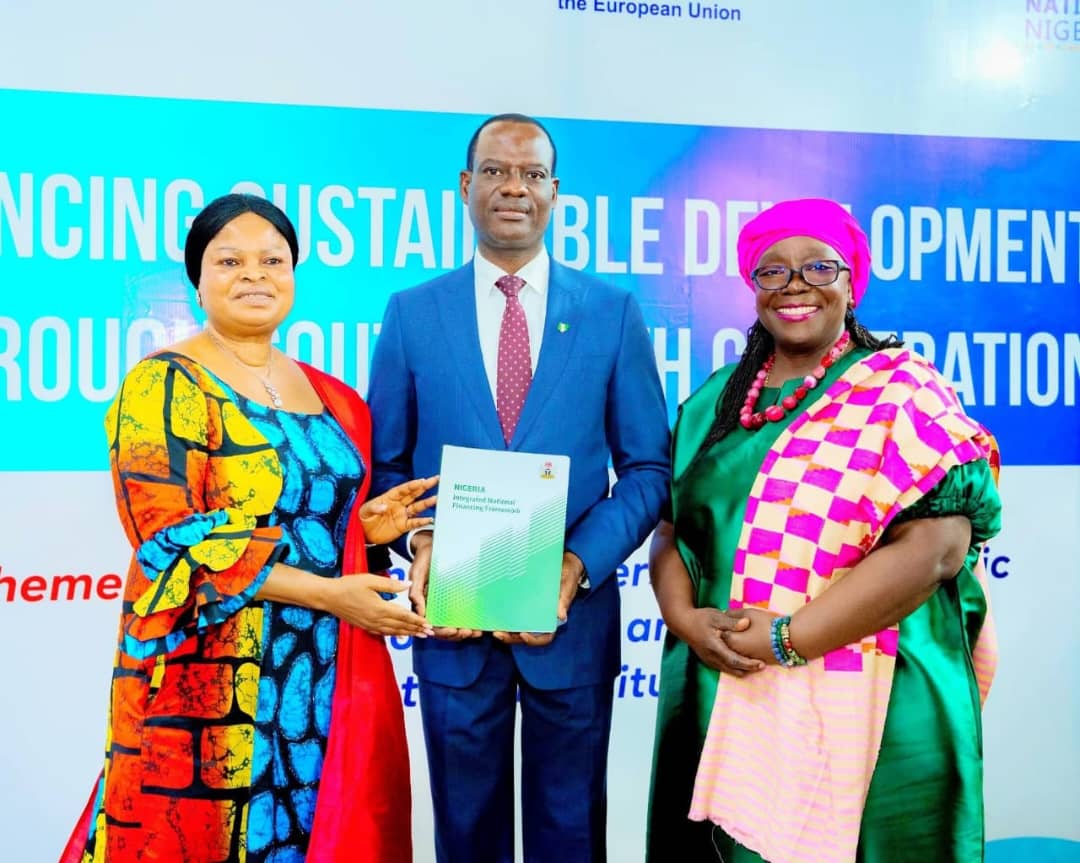
With just four years left to achieve the 2030 Sustainable Development Goals (SDGs), Nigeria is intensifying efforts to address funding challenges through the domestication of the Integrated National Financing Framework (INFF), a financing model introduced during the United Nations General Assembly (UNGA).
The initiative, which has already taken root in Ethiopia, is gradually expanding across Africa through strategic partnerships aimed at strengthening domestic resource mobilisation and reducing dependence on external funding. The collaboration between Nigeria and the Federal Democratic Republic of Ethiopia marks a significant step in promoting sustainable financing mechanisms across the continent.
Under the leadership of the Senior Special Assistant to the President on SDGs, Princess Adejoke Orelope-Adefulire, Nigeria has continued to strengthen international cooperation in line with President Bola Ahmed Tinubu’s Renewed Hope Agenda. The engagements with Ethiopia were designed to share Nigeria’s experience in implementing the INFF while encouraging broader adoption of the framework across African countries.
Nigeria’s SDGs Office believes that expanding collaboration with neighbouring countries and other international partners will further accelerate progress towards achieving the global development targets before the 2030 deadline.
The INFF seeks to leverage funding from governments, development partners, non-governmental organisations, public-spirited individuals and the private sector through the Private Sector Advisory Group (PSAG). The framework is expected to mobilise additional financial resources to tackle economic and social challenges while advancing sustainable development.
The high-level exchange, organised in partnership with the United Nations Development Programme (UNDP) and the European Union (EU), highlighted Nigeria’s growing leadership in implementing the INFF. The programme also showcased Nigeria’s model as a reference point for other African countries seeking to strengthen public financial management, boost domestic revenue generation and attract private investment.
Attention is also being directed at sub-national governments, including the Federal Capital Territory (FCT), to strengthen fiscal policies and improve financial management. The initiative is expected to enhance the capacity of state governments to finance critical sectors such as primary healthcare, basic education, water supply, sanitation, agriculture, infrastructure and local economic development.
According to the leadership of Nigeria’s SDGs Office, the Integrated National Financing Framework provides governments with a comprehensive platform to coordinate domestic resource mobilisation, improve expenditure efficiency, strengthen public financial management, attract private sector investment and deploy innovative financing mechanisms.
“The INFF recognises that achieving sustainable development cannot rely solely on traditional public financing,” the office stated, adding that strengthening fiscal capacity at the sub-national level remains a strategic imperative.
The partnerships align with Nigeria’s renewed commitment to reposition the SDGs programme by deploying innovative financing approaches that respond to prevailing local and global realities as the 2030 deadline approaches.
The framework has continued to receive commendation from both local and international stakeholders, who describe it as a transformative tool capable of improving socio-economic development while strengthening the fiscal capacity of participating countries.
With Ethiopia’s active participation in the three-day high-level engagement and growing interest from other African nations, stakeholders remain optimistic that the INFF will significantly reduce funding constraints and accelerate the achievement of the 2030 Sustainable Development Goals.