General News
Nigeria, China Turn Food Into New Front for Trade, Tourism and Cultural Diplomacy

Nigeria and China are expanding their longstanding diplomatic relationship beyond trade and infrastructure, using food, tourism and cultural exchange as new avenues for deepening people-to-people ties between both countries.
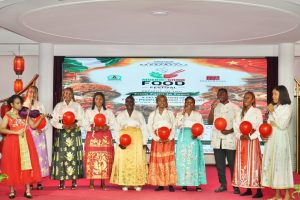
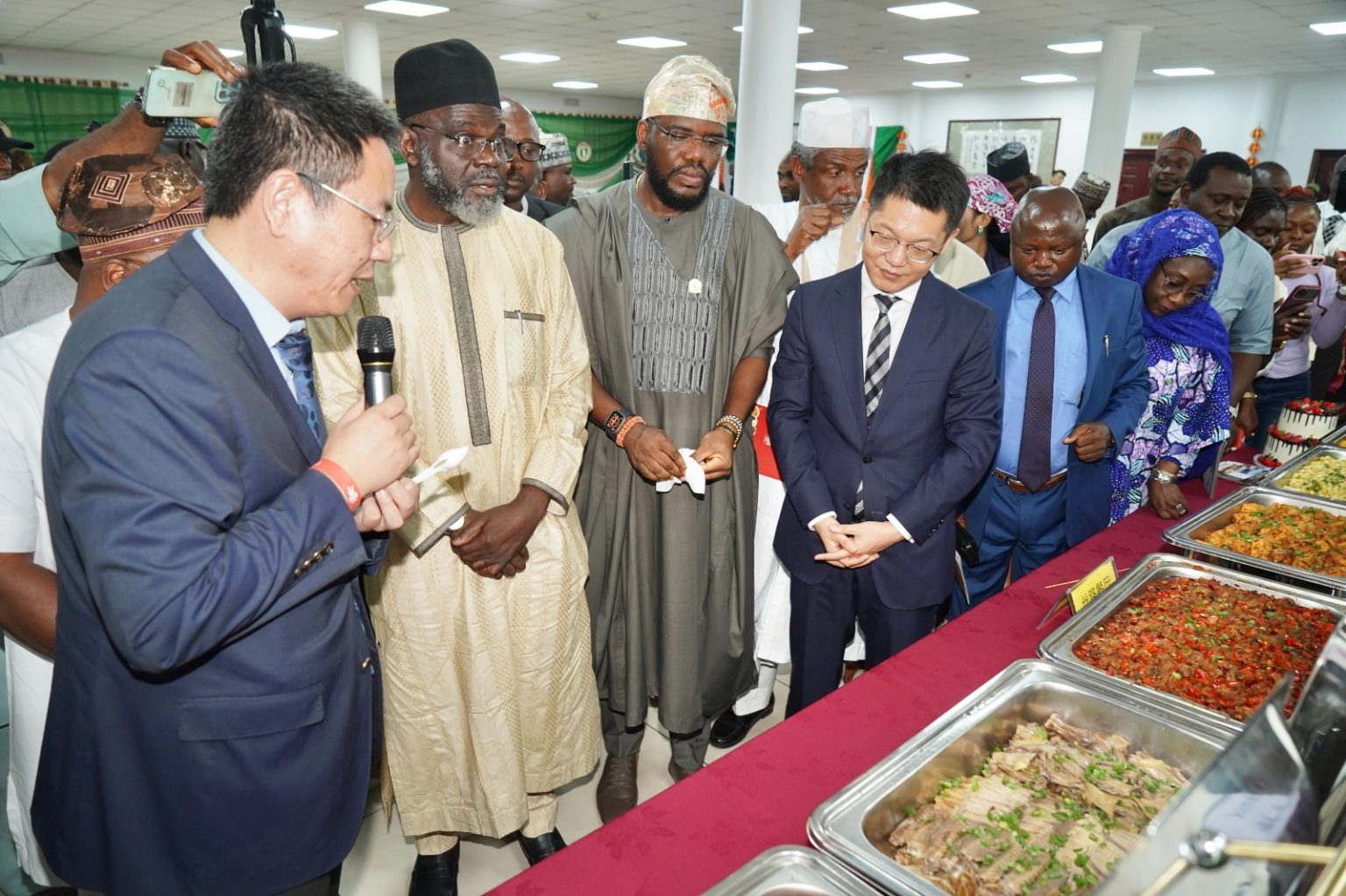
The latest push came through the 2026 Nigeria–China Food Festival, held under the theme “Bridging Culture Through Cuisine,” as Nigeria and China commemorated 55 years of formal diplomatic relations.
The festival brought together government officials, diplomats, chefs, hospitality professionals and cultural practitioners, with participants showcasing the culinary traditions of both countries.

Representing the Minister of Arts, Culture, Tourism and Creative Economy, Hannatu Musa-Musawa, the ministry’s Permanent Secretary, Abdulkarim Ozi Ibrahim, said gastronomy could serve both cultural and economic purposes.
“Food does not merely nourish the body. It tells stories, preserves heritage, creates livelihood, and brings people together,” she said.
The minister noted that Nigeria and China established diplomatic relations on February 10, 1971, adding that cooperation between the two countries had expanded over the years to include trade, infrastructure, education, technology, culture and people-to-people exchanges.

She said Nigeria’s tourism and creative industry mapping identified food and beverages as the largest sub-sector of the country’s tourism economy.
This, she said, made gastronomy an important component of Nigeria’s tourism identity and its effort to build a stronger global cultural brand.
According to her, the food festival would provide opportunities for chefs, food entrepreneurs, hospitality businesses and cultural practitioners to exchange expertise, develop partnerships, access new markets and promote Nigerian culture through food.
China opens culinary window to Nigeria
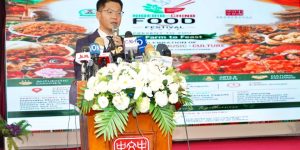
The Chinese Ambassador to Nigeria, Zhou Hongyou, described the festival as a meeting point between two ancient civilisations with deep and diverse culinary traditions.
He said cuisine offered an opportunity to understand the history, geography and identity of different peoples.
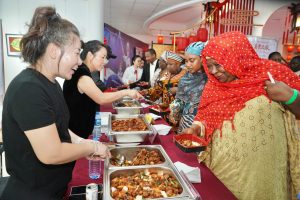
Guests at the festival were treated to 14 Chinese dishes representing the country’s major culinary regions, alongside Nigerian delicacies from the country’s six geopolitical zones.
Zhou said China would continue to deepen cooperation with Nigeria in culture, education, arts, sports and youth development while strengthening people-to-people exchanges.
He also linked the cultural relationship to expanding economic ties between both countries.
The ambassador highlighted China’s zero-tariff treatment for African countries with diplomatic relations with Beijing, saying the policy presented Nigeria with an opportunity to increase exports to the Chinese market.
NIHOTOUR pushes commercialisation of Nigerian cuisine
The Director-General of the National Institute for Hospitality and Tourism, NIHOTOUR, Aare Abisoye Fagade, said Nigeria had the culinary resources needed to build a globally recognised food tourism industry.
Fagade, however, stressed the need for deliberate efforts to package, standardise, promote and commercialise indigenous Nigerian cuisines without compromising their authenticity.
He said the impact of the festival should extend beyond the celebration itself.
“The festival’s success should be measured by the partnerships, businesses, skills and friendships it generates,” he said.
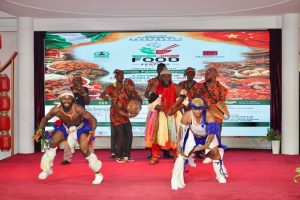
The event featured Nigerian and Chinese cuisine, cultural performances and food exhibitions, offering participants an opportunity to experience the diversity of both culinary traditions.
The festival also highlighted how gastronomy can serve as a bridge between diplomacy, tourism and commerce, potentially creating new opportunities for Nigerian food entrepreneurs and hospitality businesses seeking access to international markets.
As Nigeria and China mark 55 years of diplomatic relations, the initiative signals an expanding dimension of the bilateral partnership—one in which food is being deployed not only as a cultural expression, but also as a tool for tourism, trade and economic engagement.