Governance
Nigeria Launches Second Phase of Geriatric Assessor Certification to Improve Elder Care


By Iyojo Ameh
The National Senior Citizens Centre (NSCC) has commenced training for the second batch of participants in its Quality Assurance Assessor Certification in Geriatric Social Care, aimed at enhancing the quality of elder care in Nigeria.
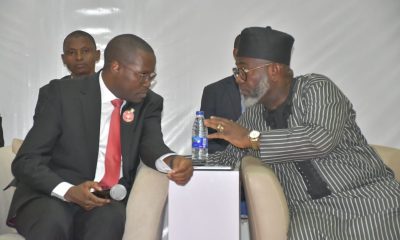
Speaking at the opening session of the training in Abuja, Director General of the Centre, Dr. Emem Omokaro, said the program is essential for accrediting geriatric care training providers across the country. She emphasized that all training teams must include certified quality assurance assessors to ensure competence in caregiving.
“Caregiving is not just theoretical,” Omokaro said. “It requires practical skills, including the use of assistive devices and the ability to detect signs of elder abuse.”
The 11-week competency-based program includes eight weeks of supervised fieldwork. So far, 28 assessors have been certified, while 20 more are currently undergoing training in the second cohort.
Dr. Omokaro also announced the development of a national web-based portal by the NSCC to centralize information on certified assessors, accredited training centers, and trained caregivers. While clarifying that the NSCC is not responsible for the National Social Register, she said the portal would serve as a one-stop hub for stakeholders in geriatric care.
The DG highlighted other initiatives by the Centre, including nationwide medical outreaches and the distribution of assistive devices in 13 states. These, she said, were achieved through strong partnerships with older persons, civil society groups, and health professionals.
Dr. Omokaro also said more states are now domesticating the NSCC Act, paving the way for the establishment of State Senior Centres and local aging policies.
On elder abuse, she noted the Centre’s collaboration with agencies such as the National Human Rights Commission and the National Agency for the Prohibition of Trafficking in Persons (NAPTIP) to respond to reported cases. She cited a case in Benue State where an elderly man was buried alive after being accused of witchcraft, calling it a tragic example of the need for stronger protections.
The NSCC has also launched educational initiatives, including the formation of Elder Justice Clubs in schools to promote intergenerational respect and advocacy.
Dr. Omokaro urged the media to support the Centre’s efforts by raising awareness and promoting helplines for reporting abuse. “This is about more than justice—it’s about saving lives,” she said.