
Health and Lifestyle
Nigeria’s Hospitals at the Crossroads: Between Saving Lives and Counting Profits

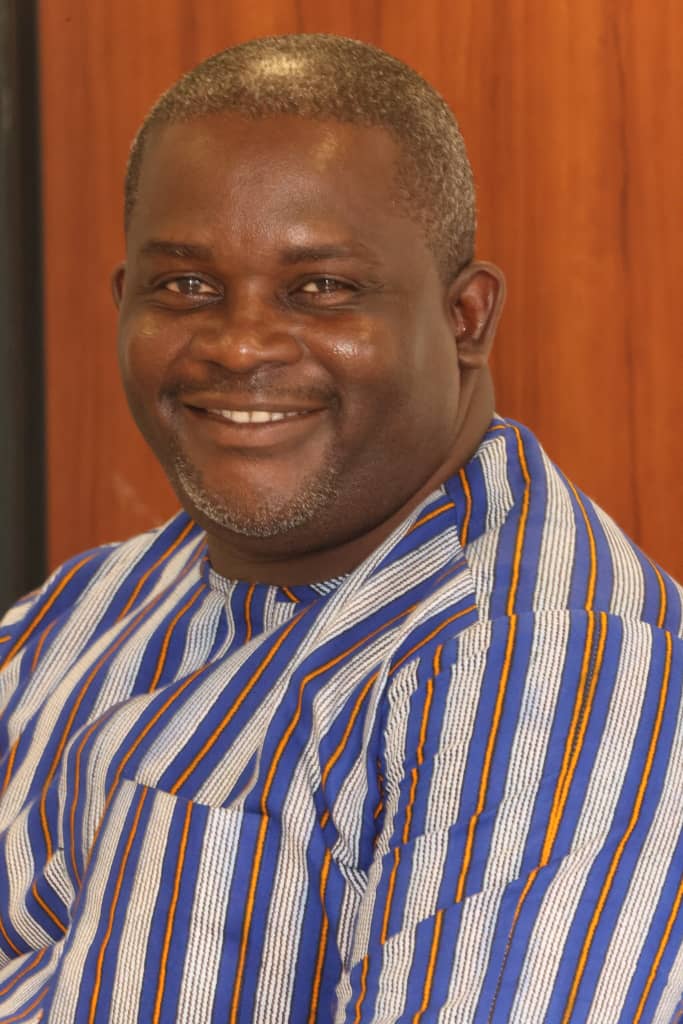
By Sam Agogo
Nigeria’s medical professionals remain among the most resilient in the world. Doctors, nurses, midwives, and paramedics across the country work tirelessly, often in overcrowded wards with limited equipment, to save lives. During outbreaks such as Ebola and COVID-19, they stood at the frontlines, risking their own safety to protect others. In rural communities, many practitioners continue to serve with little pay and scarce resources, yet they remain committed to their calling. Their sacrifices have brought hope to countless families, and their dedication is a reminder that compassion still exists in the system. For every story of loss, there are also stories of survival — of babies delivered safely, of accident victims rescued, of patients who walked out of hospitals because medical teams refused to give up on them.
Yet, alongside these stories of heroism are painful accounts of families losing loved ones not because of the severity of illness, but because of systemic failures and financial demands. A grieving father wept after losing his newborn because he could not immediately pay ₦8,000. In Makurdi, a young man died after doctors allegedly delayed treatment until payment was made, sparking outrage from his relatives. A lady who lost her mother was confronted with an inflated bill of ₦2.5 million, a figure the hospital allegedly raised because they knew the family would need the body for burial. Accident victims have bled to death while awaiting clearance, and pregnant women have died from preventable complications. In one case, a security guard begged for his child’s life, offering his phone as collateral when the hospital refused to treat the struggling baby without payment. The child survived only after neighbors rallied to raise the required amount.
These tragedies reveal a disturbing reality: hospitals demanding deposits before attending to emergencies, inflating bills, or insisting on unnecessary tests, even as patients cling to life. Families have accused hospitals of administering wrong injections, overdosing children, and delaying urgent care until money is produced. Such stories expose a system where grief is compounded by exploitation, and where the poor are often left to suffer the most.
Medical practitioners themselves are not always to blame. Many doctors and nurses are victims of the same broken system, forced to work under extreme pressure with inadequate support. Nigeria’s healthcare sector suffers from chronic underfunding, poor infrastructure, and a shortage of medical professionals due to brain drain. Public hospitals are overwhelmed, while private hospitals often prioritize profit to survive in a difficult economic climate. The World Health Organization recommends countries allocate at least 15% of their annual budget to health, but Nigeria consistently falls short. In 2025, Nigeria’s health budget stood at just 6.02% of the national allocation — far below global standards. This underinvestment leaves both patients and practitioners trapped in a cycle of frustration and loss.
Nigeria’s National Health Act of 2014 prohibits denial of emergency care due to inability to pay, and the Patients’ Bill of Rights launched in 2018 guarantees dignity, respect, and urgent treatment. Yet enforcement remains weak. Hospitals continue to demand deposits before treatment, in direct violation of these protections. Medical practitioners, bound by the Hippocratic Oath to save lives first, are increasingly accused of betraying that promise under commercial pressures. But many argue they are caught between their duty to patients and the harsh realities of a system that prioritizes revenue over care. Doctors often face impossible choices: treat without resources and risk collapse of the facility, or demand payment to keep the hospital running. In this tension, patients suffer.
The human toll is devastating. Behind every statistic is a family shattered: the father who lost his baby for lack of ₦8,000, the daughter forced to pay ₦2.5 million to bury her mother, the brothers who nearly burned down a hospital after watching their sibling die from neglect. These stories are not just personal tragedies; they are national emergencies. They raise urgent questions about the value placed on human life in Nigeria, and whether hospitals have strayed too far from their sacred duty to heal.
Nigeria’s healthcare system is at a crossroads. On one side are the dedicated medical teams who continue to save lives against all odds. On the other side are systemic failures, financial exploitation, and weak enforcement of laws meant to protect patients. The question that haunts every grieving family remains: how many more lives must be lost before hospitals put humanity above profit?
For comments, reflections, and further conversation, please contact:
📧 Email: samuelagogo4one@yahoo.com
📞 Phone: +2348055847364