General News
NUJ Launches Culture Nigeria, Says Shared Heritage Holds Key to National Unity, Security

By Iyojo Ameh
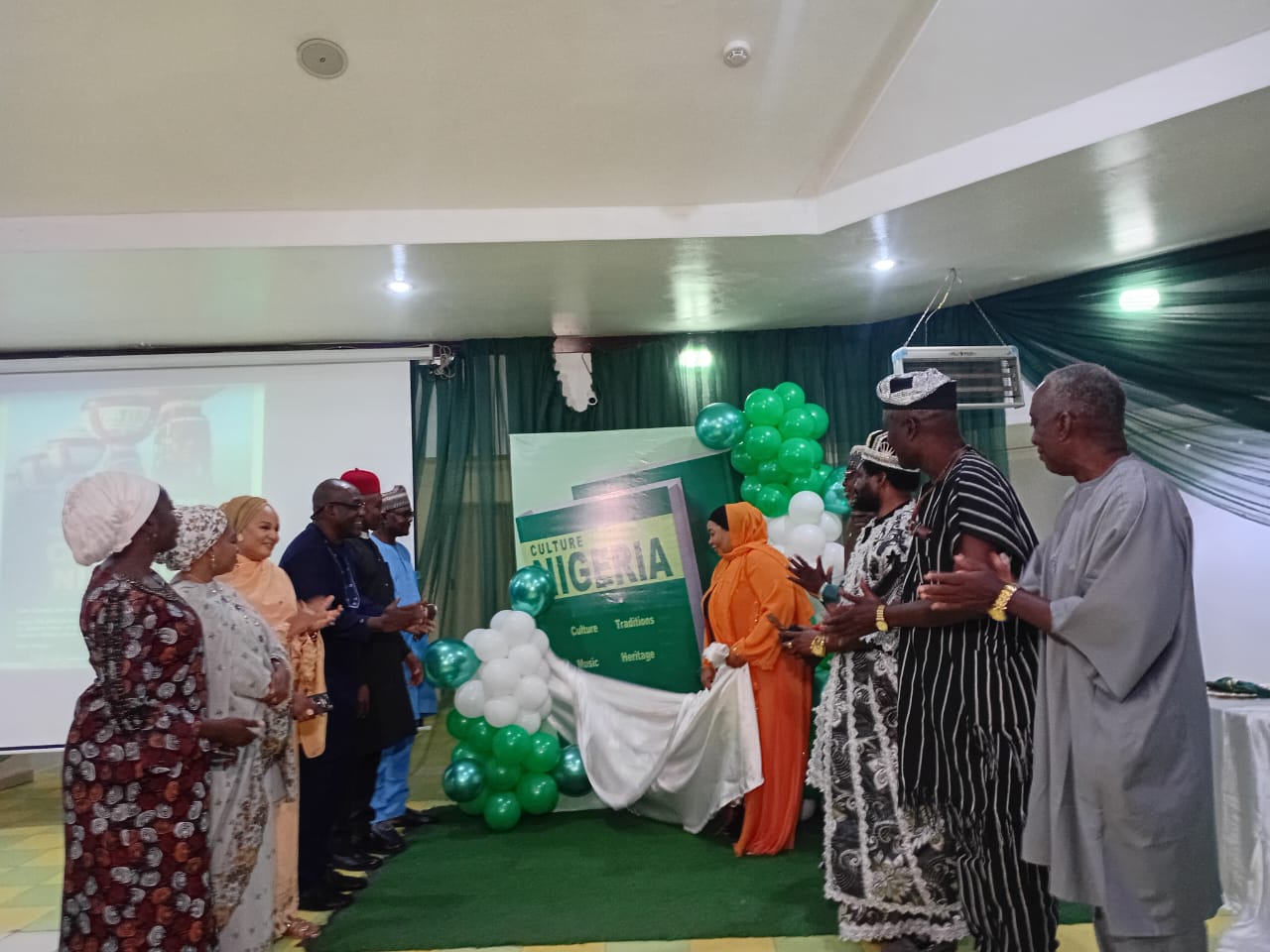
The Nigeria Union of Journalists (NUJ), in partnership with O&i Contact Limited, has unveiled Culture Nigeria, a new publication that positions the country’s rich cultural heritage as a powerful instrument for fostering national unity, tackling insecurity and driving sustainable development.
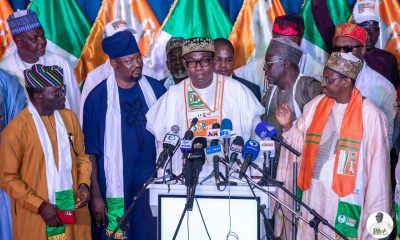
The book was presented at a ceremony organised by the NUJ National Secretariat and O&i Contact Limited in Abuja, where journalists, cultural advocates and other dignitaries gathered to celebrate Nigeria’s diverse heritage.

Speaking at the event, the President of the Nigeria Union of Journalists, Comrade Alhassan Yahya, represented by the National Secretary of the Union, Achike G. Chude, described the publication as more than a literary achievement, saying it is a timely intervention in Nigeria’s search for lasting peace and national cohesion.
He said Nigeria’s cultural diversity should be regarded as a strategic national asset rather than a source of division, stressing that the country’s more than 250 ethnic groups possess values capable of strengthening governance, promoting social harmony and stimulating economic growth.
According to him, one of Nigeria’s major challenges has been the exploitation of ethnic and cultural identities for political gains, a trend he said has fuelled identity politics and weakened public confidence in national institutions.
He therefore advocated a shift from what he described as the politicisation of culture to the “culturisation of politics,” where leadership and governance are guided by indigenous values such as integrity, honour, accountability and mutual trust.
On insecurity, the NUJ President argued that military operations alone cannot address the root causes of violence and criminality, insisting that culture remains one of the country’s most underutilised tools for building peace.
He noted that traditional rulers, community leaders and local associations historically maintained law and order before the emergence of modern policing, adding that empowering such institutions would strengthen community intelligence and early-warning systems against security threats.
He also warned that the erosion of cultural values has left many young people vulnerable to crime and violent extremism, stressing the need to reconnect them with traditions that promote respect for life, discipline, hard work and communal responsibility.
Speaking on development, Yahya said national policies must reflect the values and realities of the people to achieve meaningful progress.
He highlighted Nigeria’s creative industries—including Nollywood, Afrobeats, fashion and literature—as thriving non-oil sectors capable of creating jobs, attracting foreign investment and enhancing Nigeria’s global influence through cultural diplomacy.
He added that by publishing Culture Nigeria, the NUJ had reaffirmed the media’s responsibility not only to report current events but also to preserve the nation’s cultural identity for future generations.
“The challenges confronting Nigeria cannot be solved through legislation and military action alone. We must rebuild the cultural values that bind us together as one people,” he said.
Describing the publication as a comprehensive compendium, he said the book showcases the beauty and diversity of Nigeria’s geopolitical zones while encouraging citizens to rediscover the shared values needed to build a stronger and more united nation.
Author of the book, Mr. Isaac Osaikhiwu, said Culture Nigeria is a monumental documentation of the country’s diverse cultures and an exploration of the relationship between culture, governance and national development.
He explained that while the publication celebrates Nigeria’s rich heritage, it also examines how declining cultural values have affected governance and national wellbeing.
According to him, the book demonstrates that the future of the country depends largely on the socio-cultural values embraced by both leaders and citizens.
Osaikhiwu expressed confidence that the publication would inspire Nigerians to appreciate their cultural heritage, strengthen national unity and promote values that support peace, good governance and sustainable development.
Other dignitaries at the event urged Nigerians to project a positive image of the country, noting that despite its challenges, Nigeria remains richly endowed with cultural diversity, resilience and immense potential. They called on citizens to celebrate the nation’s achievements while working collectively to address its challenges and build a more prosperous future.