
Business and Economy
Senate Commends President Tinubu, Anti-Corruption Agencies Over Nigeria’s Removal From FATF Grey List

By Iyojo Ameh
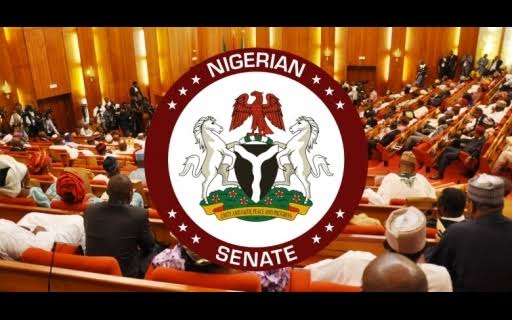
The Nigerian Senate has commended President Bola Ahmed Tinubu and Nigeria’s anti-corruption agencies following the country’s removal from the Financial Action Task Force (FATF) Grey List, describing the development as a reflection of Nigeria’s remarkable progress in strengthening its anti-money laundering framework and commitment to global financial integrity standards.
The commendation followed a motion sponsored by Senator Emmanuel Udende, representing Benue Northeast Senatorial District and Chairman, Senate Committee on Anti-Corruption Agencies. The motion was moved under matters of urgent national importance pursuant to Orders 41 and 51 of the Senate Standing Rules, 2023 (as amended).
Leading the debate, Senator Udende noted that Nigeria’s previous inclusion on the FATF Grey List exposed the country to increased international monitoring, scrutiny, and reputational risks, which negatively impacted investor confidence and access to global financial markets.
He attributed the delisting to the leadership of President Tinubu, the Senate President, the Nigerian Financial Intelligence Unit (NFIU), the Economic and Financial Crimes Commission (EFCC), the Independent Corrupt Practices and Other Related Offences Commission (ICPC), the Central Bank of Nigeria (CBN), and other stakeholders whose coordinated efforts led to this significant milestone.
According to Senator Udende, Nigeria’s removal from the FATF Grey List has boosted investor confidence and reassured the international community of the nation’s renewed commitment to transparency, accountability, and adherence to global financial standards.
“Nigeria’s financial and regulatory systems have regained international credibility and compliance with FATF recommendations, thereby strengthening the economy and the naira,” he stated.
Several lawmakers praised the achievement, noting that financial institutions previously burdened by excessive scrutiny, compliance costs, and transaction delays now enjoy smoother and more efficient cross-border operations, facilitating trade, remittances, and global commerce.
Senator Sunday Karimi (Kogi West) emphasized that Nigeria’s global reputation has greatly improved, restoring confidence among international partners, credit rating agencies, and investors while paving the way for increased access to global finance.
Similarly, Senator Tahir Mungonu (Borno North) observed that Nigeria’s enhanced financial image will foster regulatory stability, reduce investment risks, and strengthen the naira through increased competitiveness and job creation.
“Nigeria’s strengthened financial integrity will deepen institutional reforms to curb money laundering, terrorist financing, and illicit financial flows, thereby reinforcing good governance and public-private collaboration,” he said.
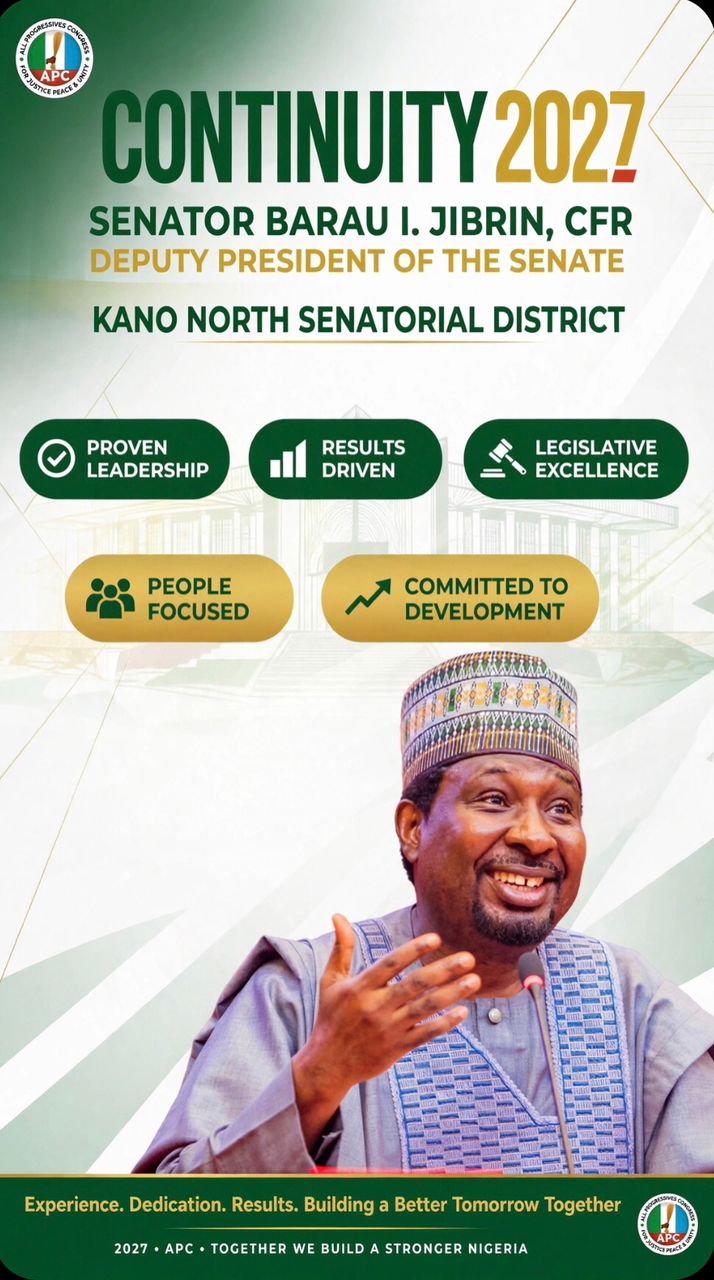
Deputy Senate President, Senator Barau Jibrin, noted that the delisting shields Nigeria from potential international sanctions or restrictions on financial institutions, ensuring economic stability, financial sovereignty, and improved diplomatic relations.
“This achievement represents not only the success of government policy but a collective national effort involving the Executive, Legislature, Judiciary, regulatory agencies, law enforcement institutions, the financial sector, and international partners,” he remarked.
The Senate further underscored the importance of sustained inter-agency cooperation and ongoing reforms to preserve Nigeria’s financial integrity, global credibility, and long-term economic growth.
Consequently, the lawmakers commended President Tinubu, the NFIU, EFCC, ICPC, CBN, and other relevant agencies for their coordinated actions leading to the delisting.
They also urged all regulatory, financial, and law enforcement bodies to consolidate these gains by maintaining strict compliance with international standards, enhancing institutional synergy, and preventing any regression in Nigeria’s anti-money laundering and counter-terrorist financing framework.
Ruling on the motion, Senate President Godswill Akpabio directed the Senate Committee on Anti-Corruption and Financial Crimes to sustain legislative oversight and policy reviews aimed at strengthening Nigeria’s financial governance structure.
He further urged stakeholders to deepen collaboration between the public and private sectors to promote transparency, accountability, and good governance in financial management, ensuring Nigeria remains a model of integrity and responsible economic leadership among developing nations.