Politics
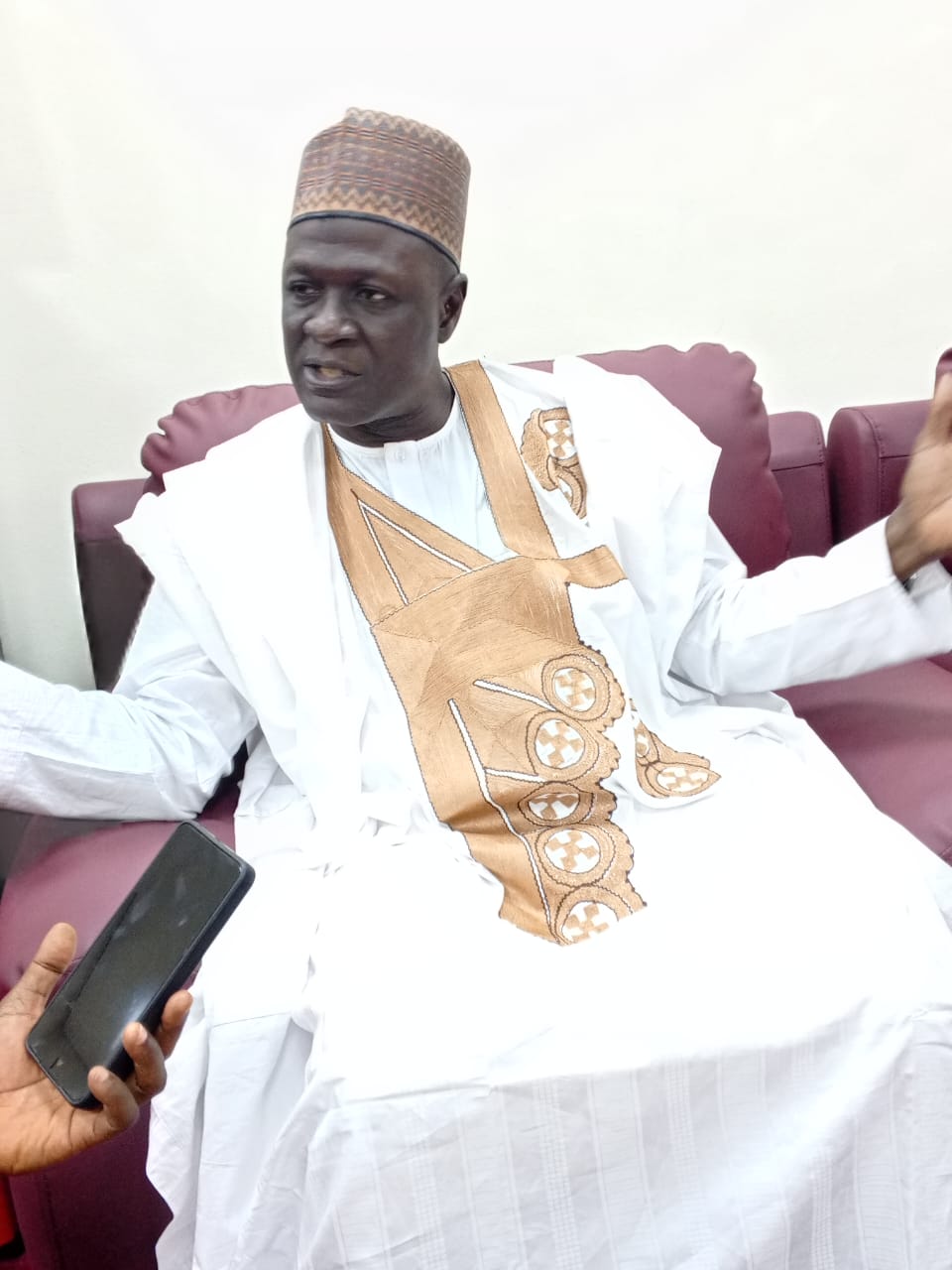
Senator Husseini: Bridging Bureaucracy and Politics with a Legacy of Service

By Iyojo Ameh
In a political landscape often dominated by familiar faces and recycled rhetoric, Senator Babangida Husseini stands out—not only for his relatively recent entry into politics, but for the wealth of experience he brought from a distinguished career in the civil service.
He spoke with citypost.ng on his transition from decades of public service into the political arena, sharing insights on governance, youth development, and the evolving dynamics of Nigerian politics.
Representing Jigawa North-west Senatorial District, Senator Husseini is a former Federal Permanent Secretary who retired from the civil service in 2022 after over three decades of dedicated public service.
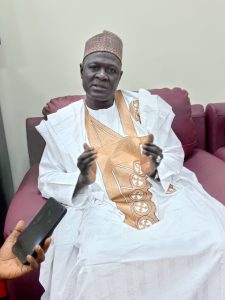
Today, he serves in the Red Chamber, continuing a life devoted to the betterment of society.
“Public service has always been more than a job to me,” he said in a recent conversation. “It’s a responsibility I have never taken lightly. I was fortunate to be mentored by principled leaders, and that shaped my approach to governance.”

Senator Husseini’s transition into politics was not a premeditated ambition, but rather a response to a call from his constituents. “Shortly after my retirement, the people in my community encouraged me to run. They believed I still had more to contribute—and I agreed,” he explained.
His journey through the ranks of public administration is impressive. Starting in the Jigawa State Civil Service, he spent 23 years in various leadership roles, including Executive Secretary of the State Scholarship Board, Permanent Secretary for Basic Education, and Chairman of the State Universal Basic Education Board. In 2011, he transferred to the federal service as an Assistant Director and later rose to become a Federal Permanent Secretary.
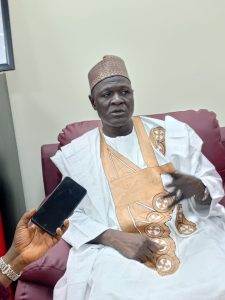
Reflecting on the contrast between civil service and politics, Husseini views both through the same lens: service. “The civil service is structured, with defined protocols and boundaries. Politics, on the other hand, demands more direct engagement with the people. It’s a broader space—but equally driven by the desire to serve.”
On the perception of politics as a “dirty game,” he offered a balanced perspective. “Politics, in itself, is not dirty. It is a noble pursuit—it’s about aggregating societal interests and finding ways to meet them. Like in any profession, the difference lies in the character of the people involved.”
Now nearly two years into his senatorial term, Husseini remains modest about his achievements. “I prefer to let the people and history judge my performance. However, I take pride in the contributions I have made on the floor of the Senate and in committee work,” he said.

A strong advocate for youth participation in politics, he believes the National Assembly would benefit from more professionals bringing in diverse expertise. “We already have some outstanding lawmakers. But the space can—and should—open up to more capable individuals from across professions: engineers, academics, entrepreneurs. That’s how we build a stronger democracy.”
He also expressed concern over the challenges facing Nigerian youth, particularly the rise in substance abuse and the pursuit of wealth through illicit means. “The issue of drug and substance abuse is more serious than many realize—it often drives the desperation we see among young people. But there are legitimate opportunities in ICT, agriculture, and education. Our youth need encouragement and direction, not just condemnation.”
On the frequent defections across party lines, Senator Husseini attributed it to the dynamic nature of Nigerian politics, adding that the growth of the ruling All Progressives Congress (APC) is a sign of confidence in the current administration.
And when asked about fears of a one-party state, his answer was pragmatic: “Ultimately, it is about choice. What matters to me is not the number of parties, but whether Nigerians are getting food on the table, a stable economy, and opportunities for a better life. No one is coerced to join a party—it’s about where one feels they can be most effective.”
In Senator Babangida Husseini, constituents of Jigawa North-west have found a public servant who blends administrative experience with a sense of duty rarely seen in contemporary politics. Whether in the civil service or the Senate, his commitment to purposeful leadership remains constant.