Education
FG Unveils Nationwide School Breakfast Scheme to Tackle Child Hunger, Boost Learning Outcomes

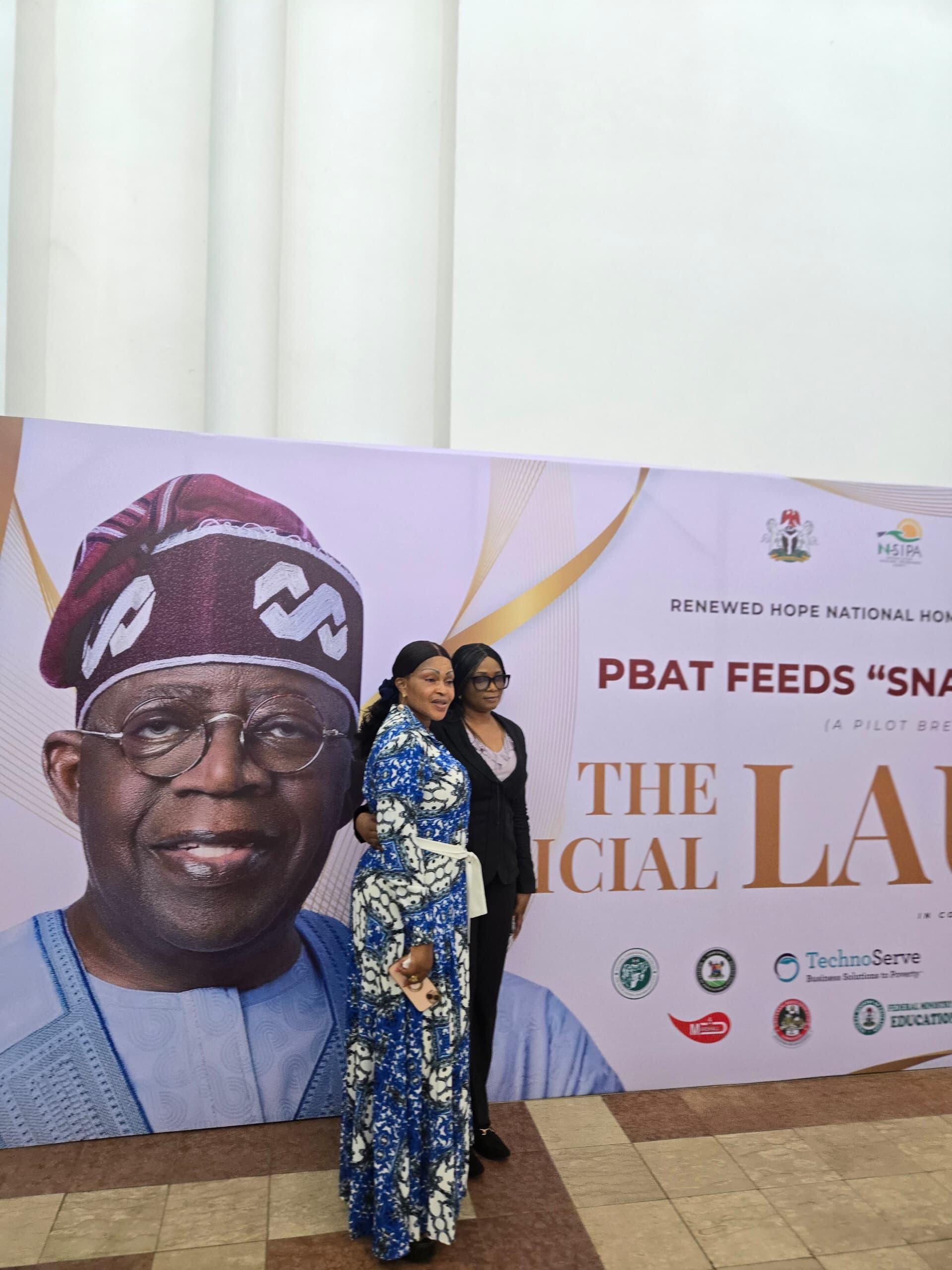
The Federal Government has launched the pilot phase of the “Snacks for Thought” Breakfast Initiative under the National Home Grown School Feeding Programme, in a bold move to combat child hunger and enhance academic performance among pupils in public primary schools.
The initiative, driven by the National Social Investment Programme Agency, is designed to complement existing school feeding efforts by ensuring that children start their day with adequate nutrition, thereby improving concentration and classroom engagement.
Speaking at the flag off ceremony, the National Coordinator and Chief Executive Officer of NSIPA, Badamasi Lawal, who was represented by the Acting Programme Manager of N Power, Okon Nsikak, described the programme as a critical intervention aligned with the government’s Renewed Hope Agenda.

“This initiative represents not just a programme, but a renewed commitment to ensuring that no Nigerian child begins the school day hungry,” he said, adding that improved nutrition is directly linked to better learning outcomes.
Also speaking, the National Programme Manager of the school feeding programme, Princess Aderemi F. Adebowale, said the initiative was conceived in response to the reality that many Nigerian children arrive at school without adequate nourishment.
She explained that hunger significantly affects a child’s ability to concentrate, retain knowledge and actively participate in class activities.

According to her, the breakfast scheme will provide pupils with nutritious snacks and juice before the commencement of lessons, thereby improving alertness and cognitive readiness.
She noted that while the existing mid day meal programme remains essential, the breakfast initiative fills a critical gap by preparing children mentally at the start of the school day.
Development partners lauded the programme.
A representative of the Spanish Agency for International Development Cooperation, Joshua Oluwadasimi Oyebode, commended the Federal Government for expanding school feeding interventions, noting that AECID in collaboration with the Economic Community of West African States supports similar programmes across West Africa.
He disclosed that through partnerships with ActionAid Nigeria and CORET, more than 1,200 pupils in Taraba, Kaduna and Jigawa states have benefited from daily school meals since 2024.
In the same vein, the Country Lead of the International Food Policy Research Institute, Oliver Kirui, described the initiative as a strategic investment in Nigeria’s human capital development, noting that proper nutrition plays a vital role in children’s learning capacity and future productivity.
The pilot phase will be rolled out in selected public primary schools and closely monitored to assess its impact on attendance, learning outcomes and local agricultural supply chains.
Findings from the pilot are expected to guide the nationwide expansion of the breakfast programme as part of the broader school feeding framework.