
News
Former INEC Commissioner Raises Alarm Over Legal Gaps Threatening Electoral Integrity in 2027

By Sam Agogo
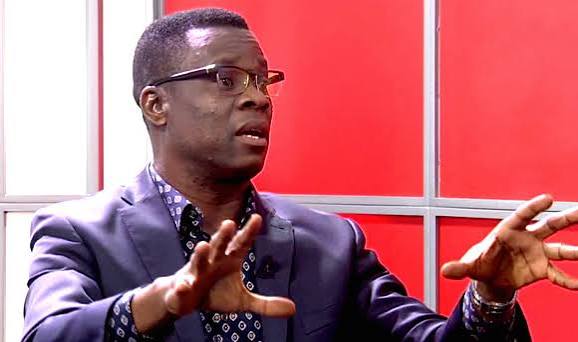
Nigeria’s democratic journey faces a grave danger as the 2027 general elections draw near. Former Independent National Electoral Commission (INEC) Resident Electoral Commissioner, Mike Igini, has issued a stern warning about Sections 63 and 138 of the Electoral Act, describing them as dangerous loopholes that could fatally compromise the credibility of the polls. His revelations have ignited outrage across civil society, legal circles, and opposition parties, all of whom condemn these provisions as a betrayal of the people’s trust.
Section 63 states that ballot papers without INEC’s official mark should not be counted, yet it perversely allows presiding officers to accept such ballots if they are “satisfied” they originated from an official ballot book. This discretionary power is nothing short of a weapon for fraud. It opens the door for counterfeit ballots to be smuggled into the system under the cover of official discretion. A similar clause existed in the 2010 Act but was removed after abuse; its reintroduction is a shocking regression. Igini has rightly described this as a “foundation-level threat” to electoral integrity, warning that elections cannot be built on subjective judgment.

Section 138 compounds the danger by restricting election petitions to violations of the Electoral Act itself, excluding breaches of INEC guidelines. This means electoral officials who deliberately flout INEC’s procedures cannot be held accountable unless their misconduct directly contradicts the Act. In effect, it creates a legal shield for impunity, stripping courts of the power to punish wrongdoing and leaving citizens helpless in the face of manipulation.
Opposition parties have condemned these provisions, declaring them a direct assault on democracy. They argue that such laws are designed to protect fraud, not the people’s will. Civil society groups echo this outrage, warning that these sections could plunge Nigeria into chaos if not urgently repealed.
The implications for 2027 are dire. Counterfeit ballots may infiltrate the system. Judicial oversight may be paralyzed. Politicians desperate for power could exploit these loopholes to rig outcomes. Citizens, already weary of broken promises, may lose all faith in INEC. And when the patience of the people reaches its peak, history teaches us that revolt becomes inevitable.

Those who passed these controversial laws must be reminded: posterity will remember their actions. History will not forget lawmakers who enshrined fraud into the nation’s electoral framework. They should know that their names will be etched in infamy, remembered not for building democracy but for undermining it. They must understand that once the patience of citizens has reached its peak, the people will rise, and their revolt will be the judgment of history.
Mike Igini’s revelations are not just a warning; they are a call to action. Unless urgent reforms are enacted, the 2027 elections risk being marred by manipulation, litigation, and public distrust. The credibility of Nigeria’s democracy hangs by a thread, and the thread is fraying fast. The National Assembly must act decisively to close these loopholes, or risk being remembered as the architects of Nigeria’s democratic collapse.
The stakes could not be higher. The future of Nigeria’s democratic experiment rests on the integrity of its electoral laws. If lawmakers fail to act, history will judge them harshly, and the people, when pushed to the brink, will rise to reclaim their sovereignty.
For comments, reflections, and further conversation:
Email: samuelagogo4one@yahoo.com
Phone: +2348055847363