Governance
Tinubu Receives 21 New Envoys, Including Ghana’s Envoy, Baba Jamal …as He Reaffirms Nigeria’s Commitment to Global Partnerships


By Iyojo Ameh
President Bola Ahmed Tinubu on Thursday received Letters of Credence from 21 newly accredited foreign envoys at the State House in Abuja, reaffirming Nigeria’s commitment to strengthening diplomatic ties and global cooperation.
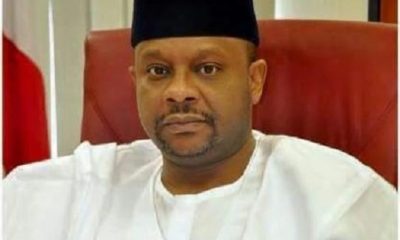
Among the diplomats was Ghana’s High Commissioner to Nigeria, Baba Jamal Mohammed Ahmed, representing one of the region’s most significant bilateral relationships.

Speaking during the ceremony, President Tinubu welcomed the ambassadors and high commissioners, describing their postings as an opportunity to deepen existing partnerships and explore new areas of cooperation. He stressed that Nigeria remained open to collaborative efforts aimed at addressing global economic challenges, insecurity, climate issues, and regional development.

“We value our longstanding friendship and strategic partnership across all regions of the world. Your accreditation today reaffirms the depth of our bilateral ties and our shared commitment to expand cooperation and partnership in areas of mutual interest,” the President said.
The accredited envoys include representatives from Japan, Chad, Gabon, Türkiye, Palestine, Spain, Indonesia, Mauritania, Austria, Thailand, Bangladesh, Sweden, Czech Republic, Liberia, Ghana, India, Poland, Italy, the Slovak Republic, Iran, and Barbados. Of the group, 17 are ambassadors while four are high commissioners.
Speaking after the ceremony, High Commissioner Ahmed expressed gratitude to Nigeria for the warm reception and acknowledged his home government, stating appreciation to former President John Mahama for his nomination. He said his mission would focus on strengthening the historic ties between Nigeria and Ghana.
“Nigeria and Ghana have traditionally enjoyed strong ties, and I am committed to building on this foundation to take our relationship to new heights,” he said.
Diplomatic observers note that relations between Nigeria and Ghana remain central to West Africa’s political stability and economic integration, given both nations’ influential roles in ECOWAS and African multilateral frameworks.
The presentation of credentials marks a new phase in Nigeria’s engagement with strategic global partners, with expectations of increased cooperation in trade, security, education, and cultural exchange.
The ceremony reinforces Nigeria’s continued relevance on the international stage and its growing influence in regional and continental diplomacy.