General News
China’s Poverty Reduction Model Offers Key Lessons for Nigeria — Prof. Sheriff Ghali

By Iyojo Ameh
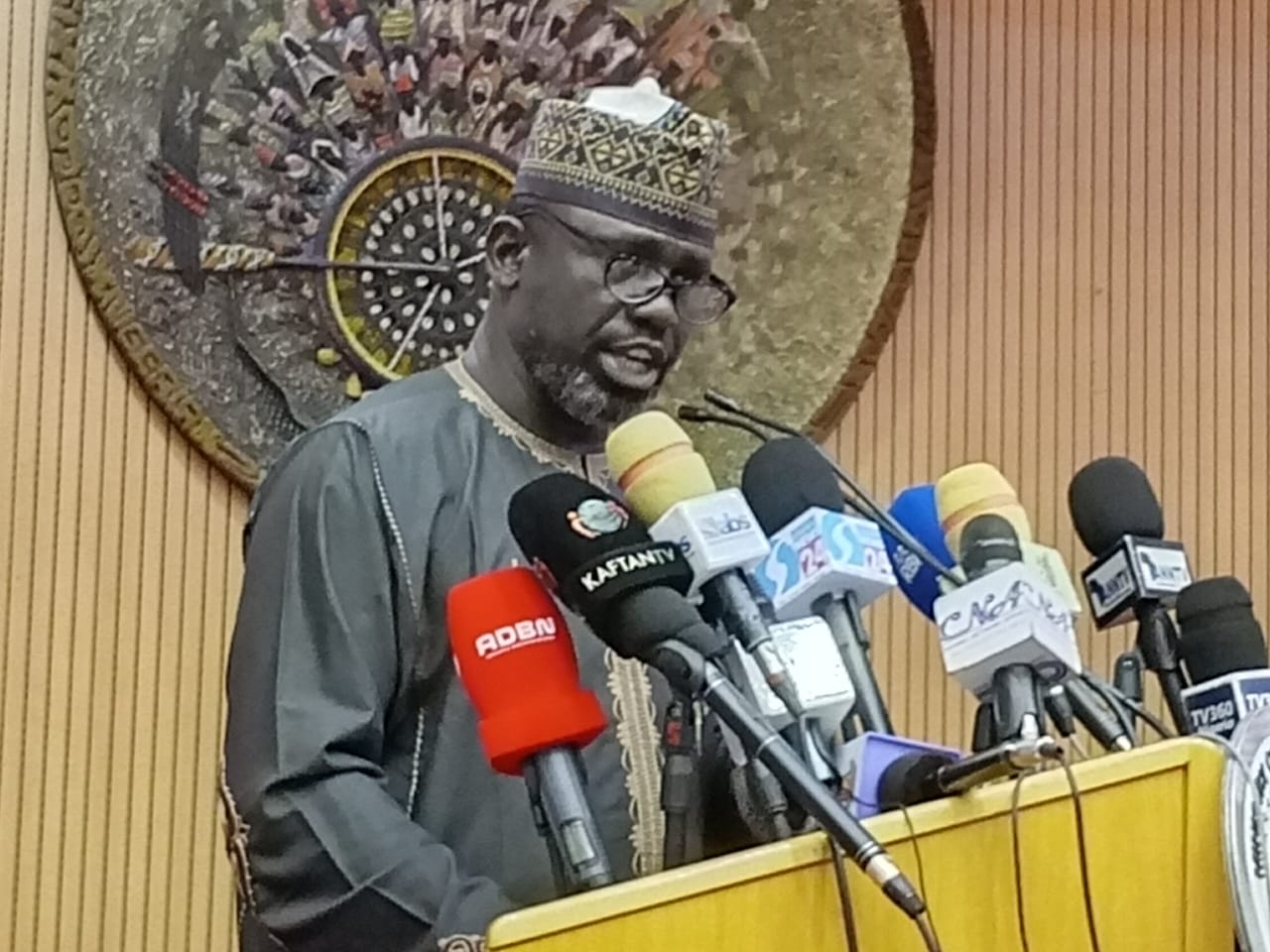
The Provost of the Anti-Corruption Academy of Nigeria and Head of Contemporary China-Africa Research, Prof. Sheriff Ghali Ibrahim, has urged Nigeria to study China’s targeted poverty reduction model as the country seeks more effective ways to tackle poverty and inequality.
Prof. Ghali made the call at a one-day workshop on Nigeria’s poverty alleviation and China’s development model, organised by the Diplomatic Correspondents’ Association of Nigeria (DICAN) at the Ministry of Foreign Affairs in Abuja.

He said China had lifted more than 800 million people out of extreme rural poverty over four decades through a combination of sustained economic growth, targeted interventions, infrastructure development and strong accountability mechanisms.
According to him, China’s approach combined market-driven economic expansion with its Targeted Poverty Alleviation (TPA) programme, local industry development and large-scale infrastructure investment.
He noted that China declared the eradication of absolute poverty in 2020, following a poverty reduction campaign that moved beyond broad regional interventions to household-level identification of poverty and its underlying causes.
Prof. Ghali explained that the Chinese model involved detailed household surveys to identify vulnerable families and determine the specific interventions required to improve their livelihoods.
He identified job training, industrial development, agricultural support and policies aimed at narrowing the development gap between urban and rural communities as key components of the strategy.
He said China also deployed government officials and specialised work teams to rural communities, while wealthier eastern provinces partnered with less-developed western regions to support development initiatives.
The scholar further highlighted the relocation of some residents from ecologically fragile and remote areas to communities with better infrastructure and access to markets.
He said massive investments in roads, railways, electricity and digital connectivity also played an important role in connecting rural communities to markets and economic opportunities.
Prof. Ghali stressed that accountability was central to the Chinese poverty reduction strategy, with rigorous monitoring and verification mechanisms used to assess outcomes at county and village levels.
He also cited the “10,000 Enterprises Help 10,000 Villages” initiative as an example of how China integrated private-sector participation into poverty reduction through industrial development, employment generation and public welfare programmes.
He said Nigeria could draw useful lessons from the Chinese experience, particularly in the areas of targeted interventions, grassroots data collection, infrastructure development, job creation and institutional accountability.
The workshop provided a platform for policymakers, diplomats, researchers and journalists to examine China’s development experience and consider how aspects of the model could be adapted to Nigeria’s socio-economic realities.
Prof. Ghali emphasised that Nigeria’s poverty challenge required more than welfare interventions, stressing the need for policies that create sustainable livelihoods, expand economic opportunities and ensure that resources reach the communities and households most in need.